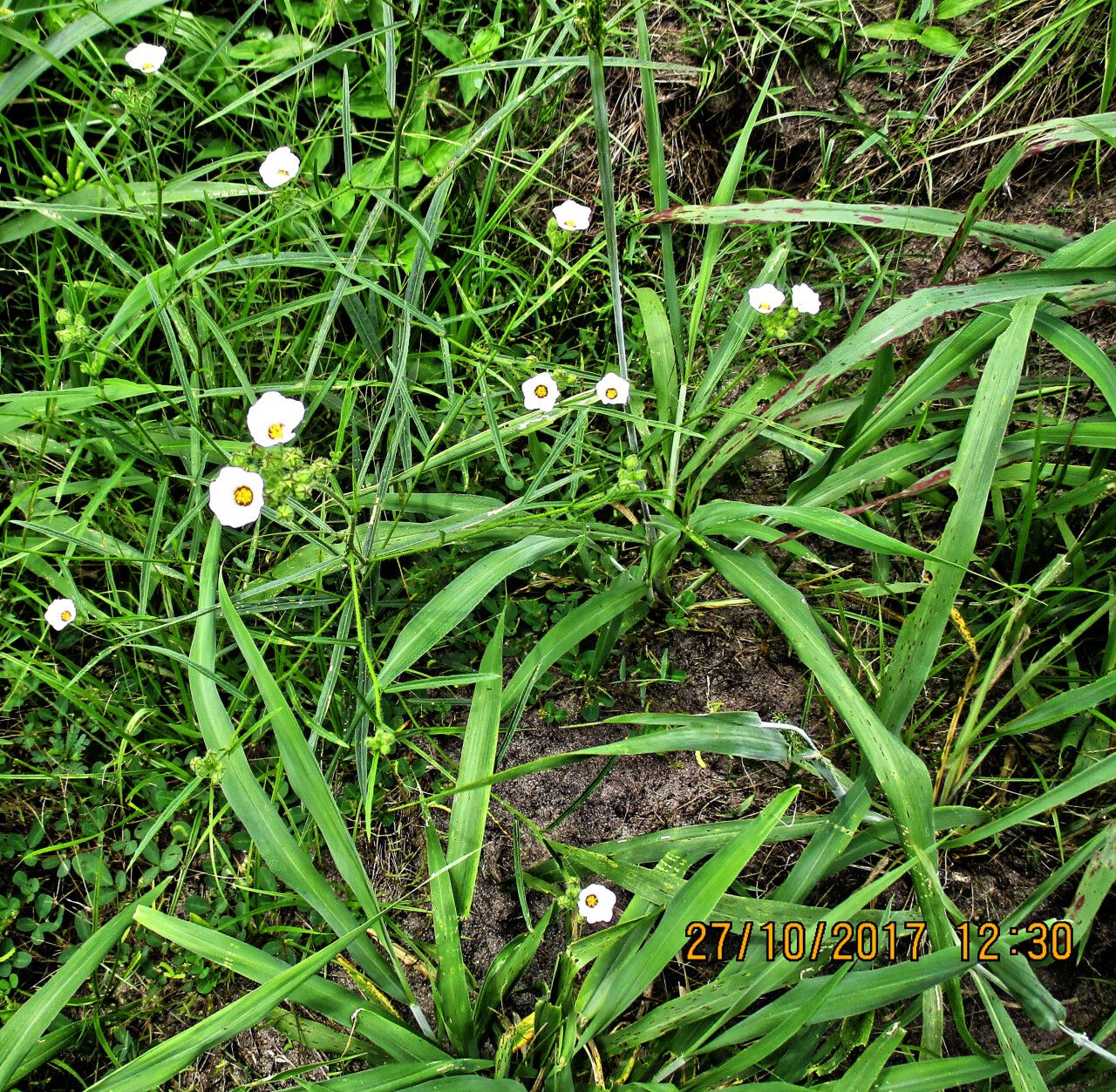
Welcome Your Own Sida Linifolia with Open Arms: A Guide to Easy Propagation!
Oh, Sida linifolia! Isn’t she a delightful little plant? I’ve spent years admiring her delicate, star-shaped blooms and lovely foliage. They bring such a sweet, understated charm to any garden or windowsill. The best part? Sharing that charm is wonderfully easy through propagation. If you’re new to the plant parenting scene, you’ll be happy to know that Sida linifolia is a forgiving friend, making it a fantastic choice for your first attempts at multiplying your green treasures. It’s truly one of the more rewarding plants to grow from cuttings.
When to Set Your Sights on New Growth
For the most success with Sida linifolia, I always recommend working with softwood cuttings. The best time to take these is in late spring or early summer. This is when the plant is actively growing and has plenty of pliable new stems to work with. You want to be looking for stems that are flexible but not so green that they bend easily; they should have a bit of resilience to them.
What You’ll Need to Get Started
Having your supplies ready makes the whole process so much smoother. Here’s what I reach for:
- Sharp, clean pruning shears or a sharp knife: Essential for making a clean cut.
- Rooting hormone (optional but recommended): A little boost can speed things up. I like a powder form.
- Well-draining potting mix: A blend of equal parts peat moss or coco coir, perlite, and fine bark chips works wonders. You can also buy a good quality seed-starting mix.
- Small pots or seed trays: Clean and at least 3-4 inches deep.
- Plastic bags or a propagation dome: To create a humid environment.
- Water: For a quick dip before potting.
- Labels and a marker: So you don’t forget what you rooted where!
Bringing New Sida Linifolia to Life: Cuttings
My go-to method for Sida linifolia is stem cuttings. It’s reliable and yields great results.
- Select your stems: Look for healthy, non-flowering stems from your established plant.
- Make the cut: Using your clean shears or knife, take cuttings that are about 4-6 inches long. Make the cut just below a leaf node – that’s the little bump where a leaf grows from the stem.
- Prepare the cuttings: Gently remove the lower leaves, leaving just a few at the very top. This helps the plant conserve energy. If you’re using rooting hormone, dip the cut end into it now.
- Pot them up: Fill your pots with your prepared potting mix. Make a small hole with your finger or a pencil.
- Insert the cuttings: Gently place the cutting into the hole, ensuring the leaf nodes that were buried are in contact with the soil. Firm the soil gently around the stem.
- Water them in: Give the pots a good watering until the soil is evenly moist.
- Create humidity: Cover the pots with a plastic bag or a propagation dome. Push the bag away from the leaves so they don’t touch the plastic.
My Little “Secret Sauce” for Success
Over the years, I’ve learned a few tricks that really make a difference. Here are a couple for Sida linifolia:
- Bottom heat is your friend: While not strictly necessary, placing your pots on a gentle heat mat can significantly speed up root development. It mimics the warmth of spring soil and gives those new roots a real kick-start. Keep the heat just lukewarm, not hot.
- Patience is key with the leaves: When you’re covering your cuttings, make absolutely sure the leaves aren’t touching the sides of the plastic bag. If they’re constantly wet in that humid environment, they can rot before they even have a chance to root. A gentle misting of the inside of the bag occasionally is all the humidity they need.
Welcoming New Roots and What to Do When Things Go Awry
After a few weeks, you should start to see signs of life. Gently tugging on a cutting will reveal resistance if roots have formed. You might also see new leaf growth appearing at the top. Once you have a good root system, you can transplant your new Sida linifolia into its own, slightly larger pot, using a good quality, well-draining potting mix. Continue to keep it consistently moist, but not waterlogged.
Now, what if things don’t go according to plan? The most common enemy here is rot. If your cuttings turn mushy and dark, or develop fuzzy grey mold, it’s usually a sign of too much moisture and not enough air circulation, or possibly contaminated soil. If you spot this early, you can sometimes salvage healthy parts of the stem, but more often it’s best to discard the affected cuttings and try again with fresh material and sterilized pots.
Happy Propagating!
Watching a new plant emerge from a simple cutting is one of the most satisfying feelings in gardening. Be patient with your Sida linifolia cuttings. With a little care and attention, you’ll soon have a whole collection of these lovely plants to enjoy and share. Happy growing, my friends!
Resource:
https://identify.plantnet.org/k-world-flora/species/Sida%20linifolia%20Juss.%20ex%20Cav./data