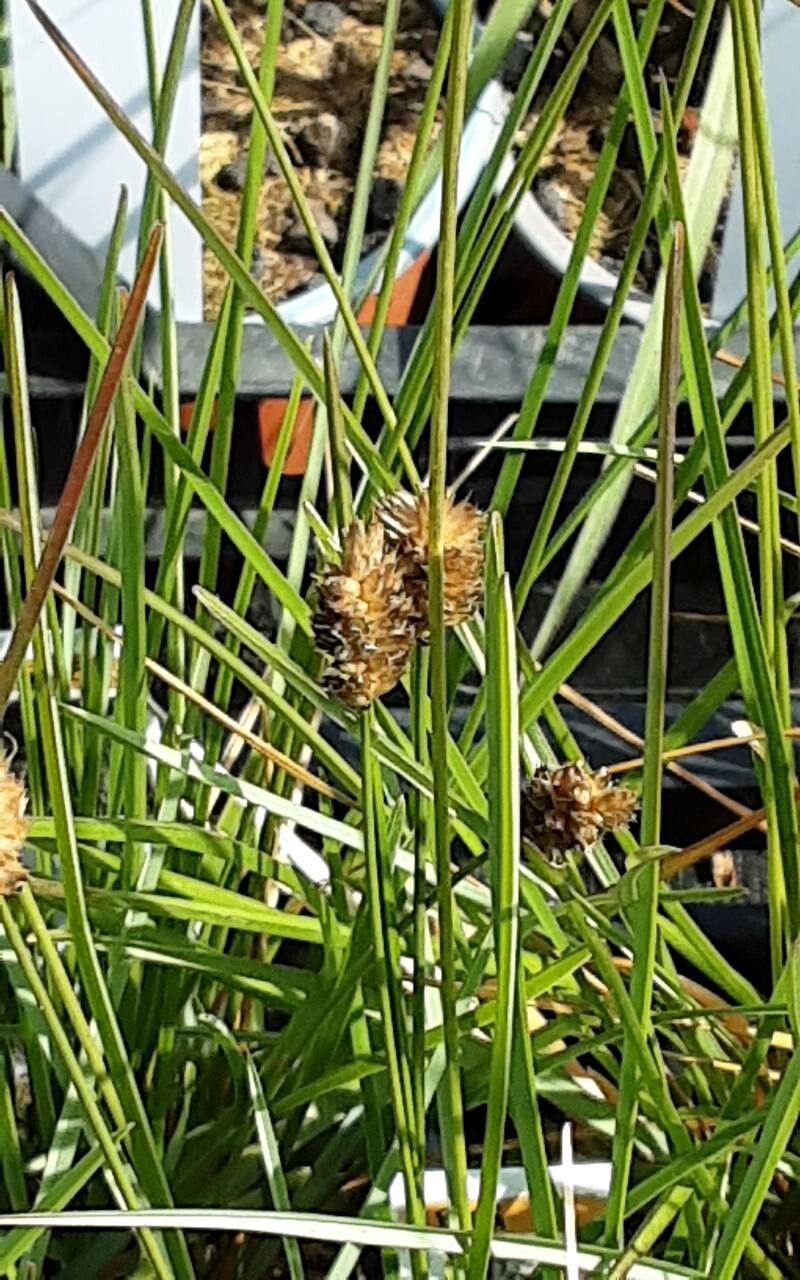
Hello there, fellow green thumbs! I’m so excited to talk to you today about one of my favorite ornamental grasses: Sesleria heufleriana. This beauty, with its striking silver-blue foliage and delicate flower spikes, brings such a wonderful texture and subtle color to any garden. If you’ve admired its clump-forming habit and want to fill out your borders or share its charm with friends, you’ll be happy to know that propagating Sesleria heufleriana is absolutely doable. For beginners, I’d say it’s on the easier side, especially with a little guidance.
The Best Time to Start
For the best success with Sesleria heufleriana, I always recommend working with it in the spring. This is when the plant is really waking up from its winter slumber and has plenty of energy to put into new growth and root development. Aim for a time after the last hard frost but before the summer heat really kicks in. Waiting until early spring also means you can collect divisions from a well-established clump that’s had a good chance to grow.
Supplies You’ll Need
Here’s a little kit to get you started on your propagation journey:
- Sharp, clean pruning shears or a sharp knife: For making clean cuts to minimize damage.
- A good quality potting mix: I like to use a mix that drains well, especially for grasses. A blend of compost, perlite, and a bit of peat moss works wonders. For divisions, a light, sandy loam is also excellent.
- Small pots or seed trays: Whatever you’ll be planting your new divisions or cuttings into. Make sure they have drainage holes!
- A watering can with a fine rose: To avoid disturbing delicate new plantings.
- Labels and a pen: Trust me, you’ll thank yourself later!
- (Optional) Rooting hormone: While not always essential for Sesleria, it can give your cuttings a little extra boost.
Propagation Methods
Sesleria heufleriana is primarily propagated by division. This is the most straightforward and reliable method for this particular grass.
Division
This is my go-to for Sesleria. It’s like giving a mature plant a little haircut and a spa day, and you get multiple new plants out of it!
- Digging Up the Plant: In early spring, before new growth really takes off, carefully dig up your established Sesleria heufleriana clump. Try to get as much of the root ball as possible.
- Cleaning the Roots: Gently shake off excess soil from the root ball. You can even rinse it under a gentle stream of water if you want to get a really good look at the root structure.
- Separating the Divisions: Now for the fun part! You can use your hands, a sharp knife, or even two forks inserted back-to-back into the root ball, to gently pull the clump apart into smaller sections. Each section should have a good amount of healthy roots and some emerging shoots. Don’t be afraid to be firm but careful; you want to avoid breaking too many roots.
- Replanting: Immediately replant your new divisions. Make sure they are planted at the same depth they were originally growing. Gently firm the soil around them.
The “Secret Sauce” (Pro Tips)
Now, a couple of little tricks I’ve picked up over the years that can really help your Sesleria thrive:
- Don’t Over-Water Immediately After Division: While you want the soil to be moist, avoid waterlogging. The plant is recovering, and soggy roots are an invitation for rot. Water thoroughly at first, then let the soil dry out slightly between waterings while the plant establishes.
- Give Them Space to Breathe: When you’re replanting divisions or even cuttings (though division is more common for this grass), ensure there’s good air circulation around them. Clumping grasses can be prone to fungal issues if they’re too crowded and damp, especially when they’re young and vulnerable.
Aftercare & Troubleshooting
Once your divisions are replanted, keep them consistently moist but not saturated. You’ll see new foliage emerge in a few weeks to a month, which is a fantastic sign!
The most common issue you might encounter is rot. If you see your divisions going limp, turning yellow or brown quickly, and feeling mushy, it’s likely due to overwatering. If this happens, try to gently lift the affected division, trim away any rotted parts with clean shears, and replant it in slightly drier, well-draining soil. Sometimes, a little bit of fresh air and light is all it needs.
A Little Encouragement
Remember, gardening is all about patience and learning. Not every attempt will be a runaway success, and that’s perfectly okay! Enjoy the process of nurturing these new plants, and soon you’ll have a beautiful garden filled with the lovely silver-blue grace of Sesleria heufleriana. Happy propagating!
Resource:
https://identify.plantnet.org/k-world-flora/species/Sesleria%20heufleriana%20Schur/data