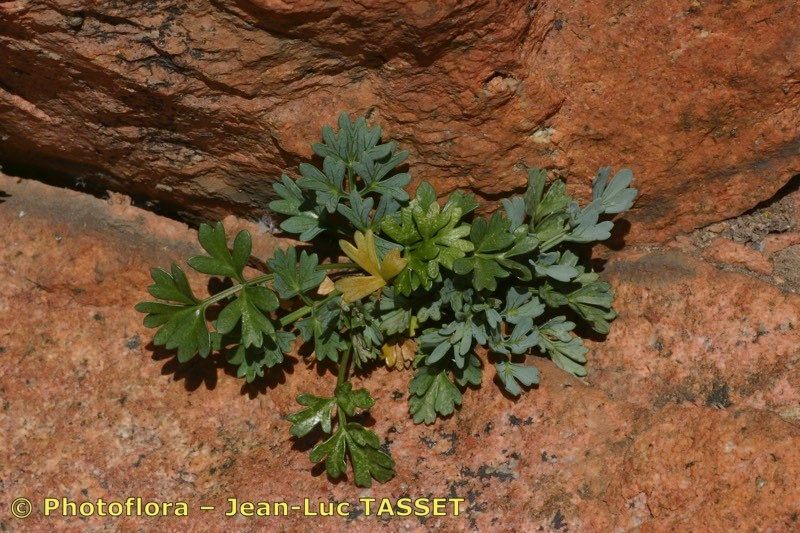
Oh, Seseli praecox! What a delightful choice for your garden. I’ve always adored its delicate, airy blooms, like tiny white clouds dotting the landscape. It brings such a light, ethereal touch to borders, almost dancing in the breeze. Propagating this beauty is a truly rewarding endeavor, a chance to multiply those lovely moments and share them with friends, or just fill every nook and cranny of your own garden. And for those of you just starting out, I’d say Seseli praecox is a moderate challenge – not terribly tricky, but it does appreciate a little care and attention.
The Best Time to Start
For the highest chance of success with Seseli praecox, I always recommend working with new, vigorous growth. The prime time for taking cuttings is typically in late spring or early summer, just as the plant is hitting its stride and producing plenty of fresh shoots. You want material that’s soft and pliable, not woody and mature. If you’re thinking about division, the best window is usually early spring, just before new growth really kicks off, or in early autumn after the heat of summer has passed.
Supplies You’ll Need
Gathering your tools beforehand makes the whole process much smoother. Here’s what I usually have on hand:
- Sharp pruning shears or a clean, sharp knife: For taking precise cuttings and divisions.
- A good quality seed-starting mix or a well-draining potting mix: I often amend my mix with perlite for extra aeration.
- Small pots or trays: Clean containers are key to preventing disease.
- Rooting hormone (optional but recommended for cuttings): A powdered or liquid form can give your cuttings a helpful boost.
- A watering can with a fine rose: For gentle watering.
- A fine mist spray bottle: For keeping cuttings hydrated.
Propagation Methods
Seseli praecox can be propagated through a couple of reliable methods. I find stem cuttings to be particularly effective for this plant.
Stem Cuttings:
- Take your cuttings: Select a healthy stem from your Seseli praecox plant. Using your sharp shears, take a cutting that’s about 4-6 inches long. Look for stems that are growing but haven’t yet flowered.
- Prepare the cutting: Gently remove the lower leaves from the cutting, leaving just a few at the tip. This prevents them from rotting when buried and encourages the plant to focus its energy on root development. If the cutting is very thin, you can even cut the leaves in half horizontally – this reduces water loss.
- Apply rooting hormone (if using): Dip the cut end of the stem into your rooting hormone. Tap off any excess.
- Plant your cuttings: Make a hole in your pre-moistened potting mix with a pencil or your finger. Insert the bottom end of the cutting into the hole and gently firm the soil around it.
- Water and cover: Water gently to settle the soil. You can then place the pot inside a clear plastic bag or cover it with a propagator lid. This creates a humid microclimate that cuttings love.
- Find a good spot: Place the pot in a bright location, but out of direct sunlight.
Division:
- Prepare the plant: Water your Seseli praecox thoroughly the day before you plan to divide it. This will make it easier to lift from the soil.
- Lift and divide: Carefully dig up the entire plant. Gently shake off excess soil. You should be able to see natural divisions in the root ball. Use your hands or a clean knife to carefully pull or cut the plant into smaller sections. Each section should have a good amount of roots and some healthy shoots.
- Replant: Replant the divided sections immediately in their new locations or in pots with fresh potting mix.
- Water well: Water thoroughly after replanting to help the plant settle in.
The “Secret Sauce” (Pro Tips)
Here are a few little tricks I’ve learned over the years that can really make a difference:
- The “Honest Cut”: For stem cuttings, make a clean cut just below a leaf node (where a leaf emerges from the stem). This is often where the plant has the best potential to form roots. No ragged edges allowed!
- Bottom Heat is Your Friend: If you’re serious about cuttings, especially for plants that might be a bit slower to root, a heated propagator mat can be a game-changer. It provides gentle warmth to the base of the cuttings, significantly speeding up root development and increasing success rates.
- Air Circulation is Crucial: While humidity is good, stagnant air can lead to fungal issues. If you’re using a plastic bag to cover your cuttings, open it for a few minutes each day to allow for a bit of air exchange.
Aftercare & Troubleshooting
Once you see signs of new growth on your cuttings – tiny leaves unfurling at the tip, or resistance when you gently tug on the cutting – that’s a good indication roots are forming. For divisions, you’ll see new shoots emerging from the soil.
- Gradual Acclimation: Once your cuttings have rooted, slowly acclimate them to normal room humidity by gradually opening the plastic bag or propagator lid over a week or so.
- Watering: Water when the top inch of soil feels dry. Avoid letting the pots sit in standing water, as this is a prime cause of rot.
- Troubleshooting: The most common issue you’ll face is rot. If a cutting turns black and mushy, it’s best to discard it to prevent it from affecting others. This usually happens due to overwatering or poor air circulation. If your divisions fail to establish, it could be due to insufficient root structure or planting them in the wrong conditions.
Don’t be discouraged if not every single one makes it. Gardening is a journey, and propagation is an exercise in patience and observation. Take joy in the process, celebrate your successes, and learn from your experiments. Happy propagating!
Resource:
https://identify.plantnet.org/k-world-flora/species/Seseli%20praecox%20(Gamisans)%20Gamisans/data