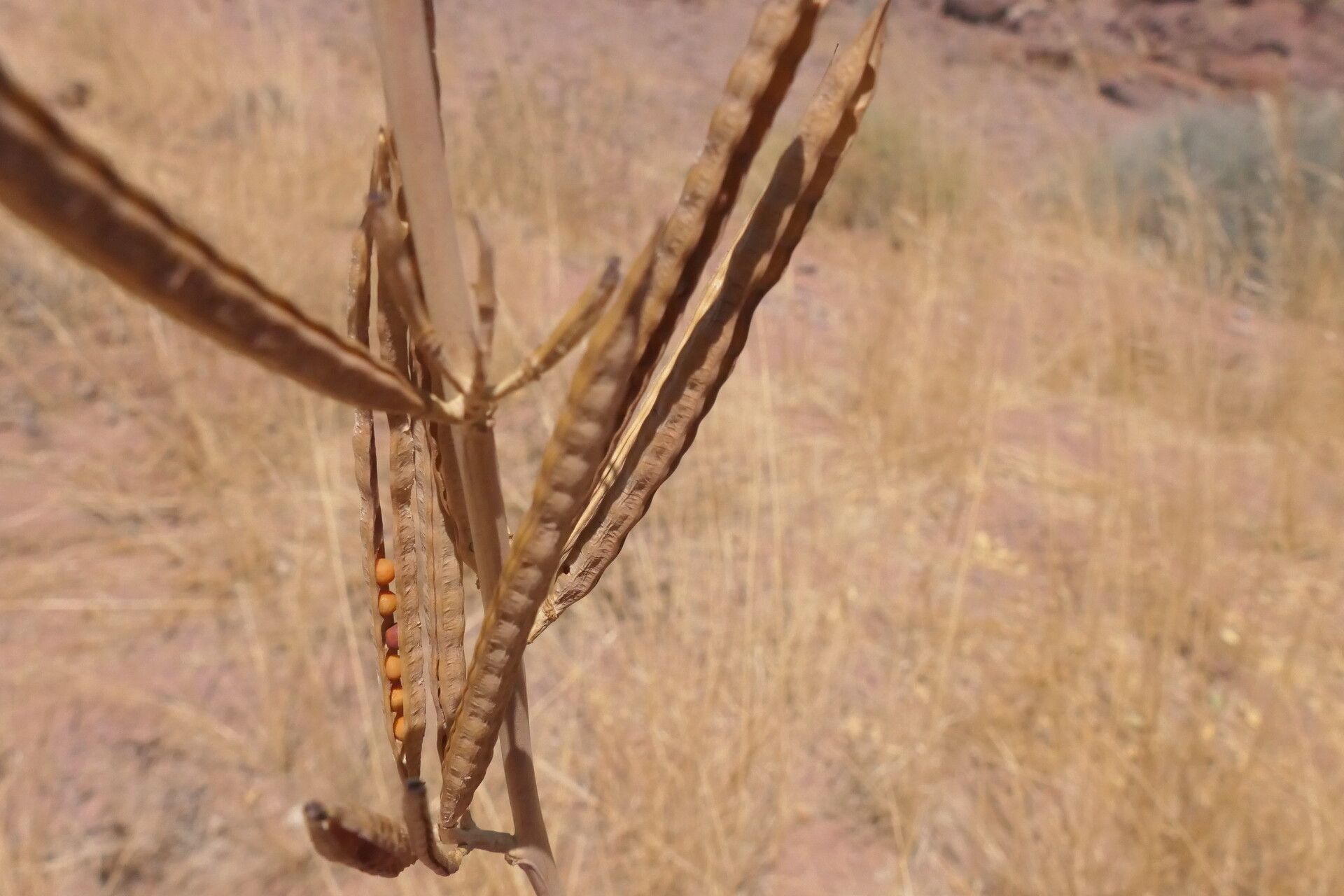
Hello fellow garden lovers! It’s wonderful to have you here. Today, we’re diving into a plant that brings a touch of the tropics and a whole lot of fascination to any garden: Sesbania sphaerocarpa. This beauty, with its delicate fern-like foliage and stunning, vibrant flowers – often a cheerful yellow or orange – is a real showstopper. Growing it from scratch is incredibly satisfying, and I’m here to show you just how approachable it is, even if you’re just starting your green-thumb journey. Honestly, Sesbania sphaerocarpa is quite forgiving, which makes it a lovely plant to try propagating.
The Best Time to Start
For Sesbania sphaerocarpa, the sweet spot for propagation is generally during its active growing season. Think late spring or early summer. This is when the plant has plenty of energy stored up, making it more receptive to rooting. You’ll have the best luck with cuttings taken from healthy, vigorous stems. Avoid taking cuttings from plants that are stressed, flowering heavily, or looking a bit droopy.
Supplies You’ll Need
Here’s what you’ll want to have on hand before you get started:
- Sharp Pruning Shears or a Clean Knife: For making clean cuts.
- Well-Draining Potting Mix: A blend of equal parts peat moss, perlite, and compost is perfect. You can also use a seed-starting mix.
- Small Pots or Trays: Clean containers with drainage holes.
- Rooting Hormone (Optional but Recommended): A powdered or gel form can give your cuttings a good boost.
- Plastic Bag or Clear Cover: To create a mini-greenhouse effect.
- Water: For watering and, if you choose, water propagation.
- A Spray Bottle: For misting.
Propagation Methods
Sesbania sphaerocarpa is quite flexible when it comes to propagation. I often recommend starting with stem cuttings, as it’s reliable and gives you a good sense of your plant’s progress.
Stem Cuttings:
- Select Your Cuttings: Look for healthy, non-flowering stems that are about 4-6 inches long.
- Make the Cut: Using your sharp shears or knife, make a clean cut just below a leaf node (where a leaf meets the stem). This is where the magic of rooting hormones often takes hold.
- Prepare the Cutting: Gently remove the lower leaves from the bottom half of the cutting. This prevents them from rotting in the soil or water.
- Apply Rooting Hormone (Optional): Dip the cut end of the stem into your rooting hormone, tapping off any excess.
- Pot Them Up: Fill your pots or trays with the well-draining potting mix. Make a small hole in the center of the soil with your finger or a pencil.
- Insert the Cutting: Place the cut end of the stem into the hole and gently firm the soil around it.
- Water Them In: Water thoroughly until you see water draining from the bottom.
- Create a Humid Environment: Cover the pots loosely with a plastic bag or a clear dome to trap moisture. Make sure the leaves aren’t touching the plastic.
- Placement: Put your pots in a bright location, but out of direct sunlight. Warmth is also key.
Water Propagation:
This is a fun, visual way to propagate!
- Follow steps 1-3 for stem cuttings.
- Place in Water: Instead of potting, place the cuttings in a jar or glass of clean water. Ensure that only the nodes where you removed the leaves are submerged.
- Change Water Regularly: Change the water every 2-3 days to keep it fresh and prevent bacterial growth.
- Watch for Roots: You should start seeing little white roots emerge within a few weeks.
The “Secret Sauce” (Pro Tips)
- Bottom Heat is Your Friend: Sesbania sphaerocarpa loves warmth. If you can, place your pots on a heat mat designed for seed starting. This gentle bottom heat significantly encourages root development. You might not have one, and that’s okay, but it’s a game-changer.
- Air Circulation is Crucial for Stem Cuttings: While you want to keep humidity high, don’t forget to “air out” your cuttings daily for a few minutes. This prevents fungal diseases from taking hold, which is a common culprit when cuttings fail.
- Patience with Water Roots: If you go the water propagation route, those water roots are more delicate than soil roots. It’s best to let them grow to about an inch long before carefully transplanting them into damp potting mix.
Aftercare & Troubleshooting
Once you see signs of new growth appearing from your cuttings – a sure sign of roots! – it’s time to slowly transition them.
- Acclimatize: Gradually expose your new plants to less humidity. Open the plastic bag a little more each day over a week.
- Watering: Keep the soil consistently moist but not waterlogged. They’ll need watering when the top inch of soil feels dry.
- Light: Continue to provide bright, indirect light.
- Fertilizing (Later): Wait until your plant is well-established with a good root system before you consider a light feeding with a balanced liquid fertilizer.
Common Problems: The most frequent issue I see is rot. This usually happens due to overwatering, poor drainage, or lack of air circulation. If a cutting turns black and mushy, unfortunately, it’s likely beyond saving. Yellowing leaves can sometimes indicate too much direct sun or not enough water. Don’t get discouraged if not every cutting takes; it’s part of the learning process!
So there you have it! Propagating Sesbania sphaerocarpa is really a delightful way to expand your collection and share these beautiful plants with friends. Be patient, give them a bit of warmth and light, and enjoy watching those tiny roots begin to form. Happy gardening!
Resource:
https://identify.plantnet.org/k-world-flora/species/Sesbania%20sphaerocarpa%20Welw./data