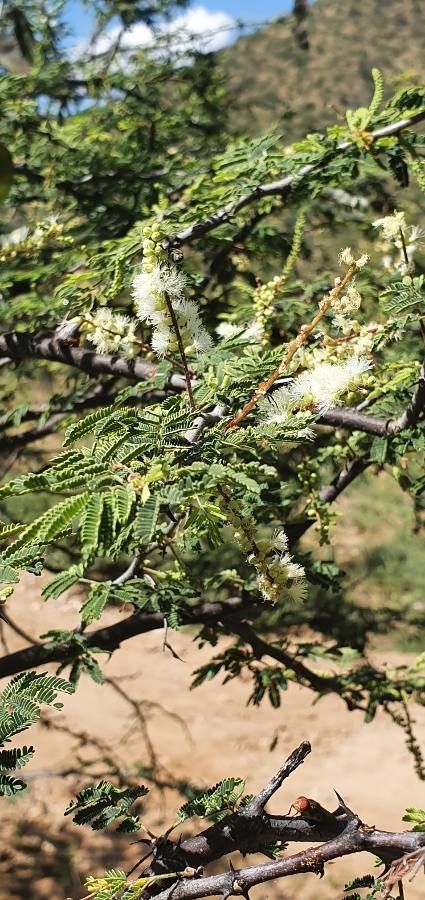
Oh, hello there! Grab a mug of your favorite brew, and let’s chat about a truly special plant: Senegalia goetzei. This graceful acacia, with its delicate fern-like foliage and charming puffball flowers, brings a touch of the exotic and a whole lot of charm to any garden. If you’ve ever admired a mature specimen, you know what a rewarding plant it is. And the best part? You can bring that beauty into your own home, or share it with friends, by propagating it yourself! It’s not the easiest plant for a complete beginner, but with a little patience and these tips, I promise you’ll be well on your way to success.
The Best Time to Start
For Senegalia goetzei, timing is everything. You’ll find the highest success rates when you propagate from softwood or semi-hardwood cuttings during the late spring or early summer. This is when the plant is actively growing and has plenty of energy to put into rooting. Think of it like this: the plant is bursting with life, and it’s more willing to share that life with new little ones.
Supplies You’ll Need
Here’s what I always have on hand when I’m starting new Senegalia:
- Sharp pruning shears or a clean, sharp knife: For taking clean cuts.
- A bright, well-draining potting mix: I like a blend of perlite, vermiculite, and a good quality peat-free compost. It needs to let air in and water drain out quickly.
- Rooting hormone (optional, but recommended): This gives your cuttings a helpful boost. Look for one formulated for stem cuttings.
- Small pots or seed trays: Clean ones are crucial to prevent disease.
- A clear plastic bag or propagation dome: To create a humid environment.
- Plant labels and a permanent marker: Don’t forget to label what you’ve planted!
- A watering can with a fine rose: For gentle watering.
Propagation Methods
We’ll focus on stem cuttings for Senegalia goetzei, as it’s generally the most reliable method.
- Take Your Cuttings: Select a healthy, vigorous stem that’s about 4-6 inches long. Look for stems that are flexible but not floppy. Take your cuts just below a leaf node (where a leaf attaches to the stem). This area is rich in hormones that encourage root development.
- Prepare the Cuttings: Gently remove the lower leaves from your cutting, leaving just a few at the very top. This prevents them from rotting in the soil or water when you’ve planted them. If your leaves are quite large, you can even cut them in half.
- Apply Rooting Hormone (Optional but Recommended): Dip the cut end of the stem into your rooting hormone powder or gel. Tap off any excess.
- Potting Up: Fill your clean pots or trays with your prepared potting mix. Moisten the mix thoroughly but don’t make it soggy.
- Plant the Cuttings: Make a small hole in the soil with your finger or a pencil. Insert the cutting into the hole, ensuring the roots hormone-coated end is nestled in the mix. Gently firm the soil around the stem so it stands upright.
- Create Humidity: Water the soil gently again. Then, loosely cover the pots with a clear plastic bag or place them under a propagation dome. This traps moisture and creates the humid environment your cuttings need to heal and root. Prop the bag up so it doesn’t touch the leaves.
The “Secret Sauce” (Pro Tips)
Here are a couple of things I’ve learned over the years that can really make a difference:
- Bottom Heat is Your Friend: While not strictly essential, placing your pots on a heated propagation mat can dramatically speed up the rooting process. The gentle warmth encourages root formation from below.
- Not Too Much Sun, Not Too Little: Your cuttings need bright, indirect light. Direct sunlight will scorch them and dry out the humidity dome too quickly. A bright windowsill that doesn’t get harsh afternoon sun is usually perfect.
- The Air Circulation Trick: Once a day, remove the plastic bag or open the dome for a few minutes to allow for fresh air circulation. This helps prevent fungal diseases from setting in.
Aftercare & Troubleshooting
Once your Senegalia goetzei cuttings have rooted, you’ll see new growth emerging. This is a good sign! You can test for roots by gently tugging on a cutting – if there’s resistance, you’ve got roots!
- Transitioning: Gradually acclimate your new plants to normal conditions by slowly increasing the watering and eventually removing the humidity dome completely over a week or two.
- Watering: Water your new plants when the top inch of soil feels dry. Ensure good drainage at all times.
- Common Problems: The biggest enemy is rot, which usually happens from overwatering or poor drainage. If you see your cuttings turning black and mushy, it’s usually a lost cause. Prevention is key here – good airflow and not letting the soil stay waterlogged are your best defense. If you see wilting, it could be underwatering, or sometimes a sign the cutting just isn’t going to make it. Don’t get discouraged!
A Warm Hug for Your New Plants
Propagating Senegalia goetzei is a journey. There might be a few tries before you get that perfect batch of rooted cuttings. Be patient with yourself and with the plants. Enjoy the process of nurturing these little sprouts and watching them grow. Soon, you’ll have your own beautiful Senegalia to admire and share. Happy gardening!
Resource: