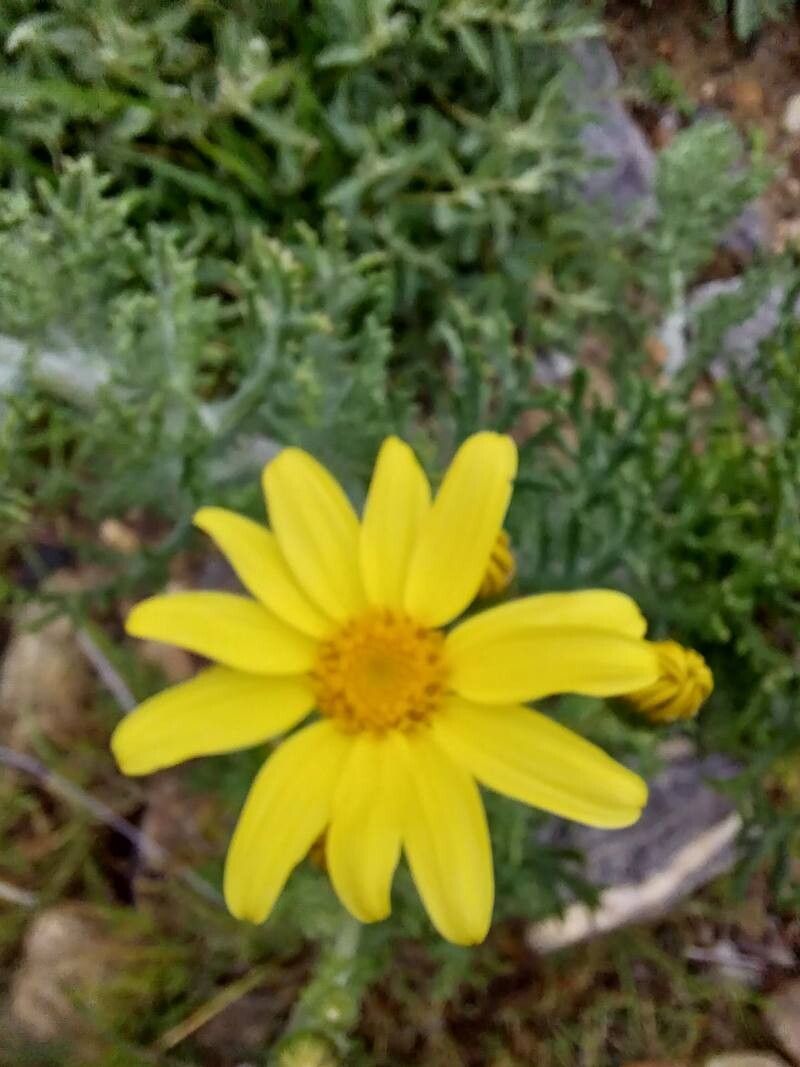
Oh, hello there, fellow plant lover! Pull up a chair, let’s chat about something truly special: Senecio bahioides. If you’ve ever admired those vibrant, trailing beauties, with their cheerful yellow blooms and fuzzy stems, you’re not alone. They bring such a lively energy to any space. And the best part? They’re surprisingly rewarding to propagate.
For those just dipping their toes into the world of plant propagation, you’ll be delighted to know Senecio bahioides is a wonderfully forgiving plant. It’s a fantastic choice for beginners, so don’t feel intimidated! Watching a tiny cutting unfurl new leaves and grow into a lush plant is one of gardening’s greatest joys.
The Best Time to Start
Hands down, the spring and early summer are your golden windows for propagating Senecio bahioides. This is when the plant is actively growing, energized by more sunlight and warmer temperatures. Cuttings taken during this period have the best chance of developing roots quickly. Avoid propagating in the dead of winter when everything is in a dormant state.
Supplies You’ll Need
Gathering your tools beforehand makes the whole process so much smoother. Here’s what I always have on hand:
- Well-draining potting mix: A good cactus and succulent mix is perfect, or you can amend regular potting soil with perlite or coarse sand.
- Clean, sharp pruning shears or scissors: Crucial for making clean cuts.
- Small pots or seed trays: Whatever suits the size of your cuttings. Make sure they have drainage holes!
- Rooting hormone (optional but recommended): This can give your cuttings a helpful boost.
- A watering can or mister: For gentle watering.
- A plastic bag or propagation dome: To create a humid environment.
- Bottom heat (optional but helpful): A seedling heat mat can speed things up.
Propagation Methods: Let’s Get Our Hands Dirty!
Senecio bahioides is quite obliging and propagates beautifully from stem cuttings. This is my go-to method.
-
Take Your Cuttings: In spring or early summer, select a healthy, non-flowering stem. Using your clean shears, make a cut just below a leaf node (where a leaf attaches to the stem). Aim for cuttings that are about 3-4 inches long. Remove the lower leaves from the cutting, leaving just a few at the top. This prevents them from rotting in the soil.
-
Let Them Get Friendly with the Air: This is a crucial step! Let your cuttings lay out in a dry place for a day or two. This allows the cut end to form a callus, which helps prevent rot. Think of it like letting a cut on your skin heal over a bit before covering it.
-
Dip and Plant: If you’re using rooting hormone, lightly dip the callused end of the cutting into it. Then, gently insert the cutting about an inch deep into your prepared, well-draining potting mix. Firm the soil gently around the base of the cutting.
-
Create a Mini Greenhouse: Water the soil lightly. Then, cover the pot with a clear plastic bag or place it under a propagation dome. This traps humidity around the cutting, which is essential for root development before it can absorb water through roots.
The “Secret Sauce” (Pro Tips from the Trenches!)
After years of trial and error, I’ve learned a few tricks that really make a difference.
- Don’t let the leaves touch the water (if water propagating): While some succulents can be propagated in water, Senecio bahioides is best done in soil. If you are trying water propagation, just be sure the leaves themselves don’t sit in the water. Only the cut stem should be submerged to prevent rot.
- The magic of bottom heat: If you have a seedling heat mat, place your pots on top of it. This gentle warmth encourages roots to form much faster. It’s like giving your little plant a cozy heated bed!
- Patience is truly a virtue: Some cuttings root in a couple of weeks, others might take a month or more. Don’t give up if you don’t see immediate results. Keep them in their humid environment and let nature do its work.
Aftercare & Troubleshooting
Once you start to see new growth or feel a gentle tug when you lightly pull on the cutting, congratulations – you have roots!
- Transition Slowly: Gradually introduce your new plant to less humidity. Open the plastic bag or dome for increasing periods each day.
- Water Wisely: Water thoroughly when the top inch of soil feels dry. Avoid overwatering, as this is the quickest way to invite rot.
- Watch for Rot: The biggest foe is usually rot. If your cutting turns mushy, black, or starts to fall apart, it’s a sign of too much moisture and not enough airflow. Unfortunately, once rot sets in, it’s often too late to save.
- Give Them Space: Once they’re well-established, you can transplant them into their own individual pots.
A Little Encouragement to Finish
There you have it! Propagating Senecio bahioides is a journey of patience and observation. Each successful cutting feels like a little victory, and soon you’ll have a whole collection of these cheerful plants to share or simply to enjoy yourself. Be gentle, be observant, and most importantly, have fun watching life bloom! Happy propagating!
Resource:
https://identify.plantnet.org/k-world-flora/species/Senecio%20bahioides%20Hook.%20&%20Arn./data