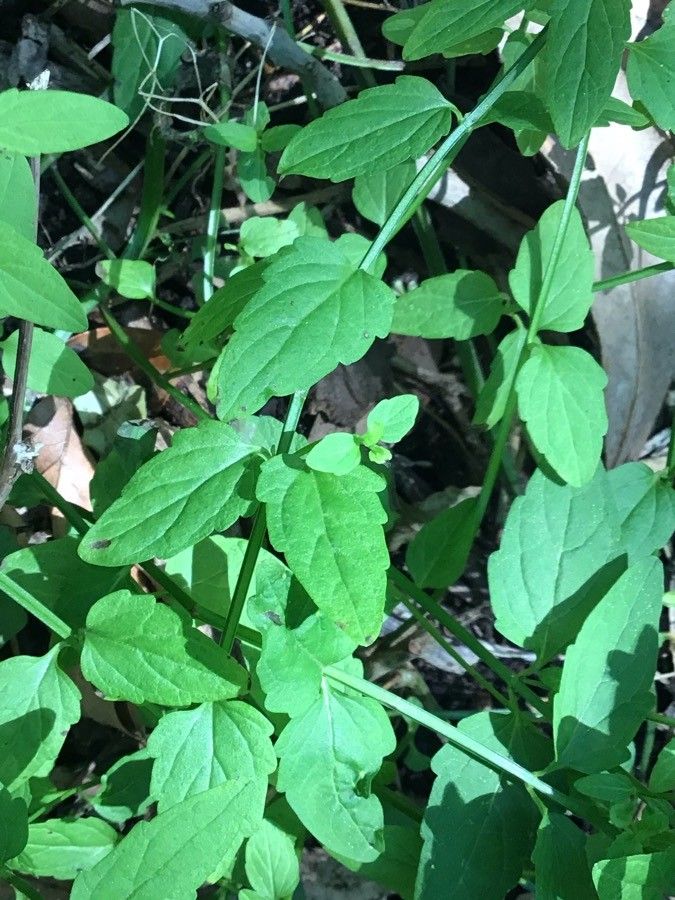
Hello, fellow plant lovers! Today, we’re diving into the wonderful world of Scutellaria barbata, also known as Barbary Skullcap. This charming little plant, with its delicate blue flowers, brings a touch of woodland beauty to any garden. And the best part? It’s wonderfully rewarding to grow from cuttings! If you’re looking for a new propagation project, this is a fantastic one to try. While I wouldn’t call it ultra-easy for someone brand new to gardening, it’s certainly achievable with a little care and attention.
The Best Time to Start
For the highest success rate with Scutellaria barbata, I always recommend propagating in late spring to early summer. This is when the plant is actively growing, and you’ll find the freshest, most vibrant stems to work with. You can also have success with softwood cuttings in early fall, but spring propagation is generally more vigorous.
Supplies You’ll Need
Gathering your materials beforehand makes the whole process much smoother. Here’s what I usually have on hand:
- Sharp pruning shears or a clean knife: For making clean cuts.
- Rooting hormone powder (optional but recommended): This really gives your cuttings a head start.
- A good quality potting mix: I prefer a light, well-draining mix. You can find specific cutting mixes, or create your own by combining peat moss, perlite, and a little compost.
- Small pots or seed trays: Clean containers are crucial to prevent disease.
- A plastic bag or propagation dome: To create a humid environment.
- Watering can with a fine rose: For gentle watering.
- Labels and a marker: To keep track of your cuttings!
Propagation Methods
Scutellaria barbata is a joy to propagate from stem cuttings. It’s pretty straightforward, and I find it’s the most reliable method.
Stem Cuttings:
- Take your cuttings: Select healthy, non-flowering stems from your established plant. Look for stems that are firm but not woody. Aim for cuttings that are about 4-6 inches long. Make your cut just below a leaf node (where a leaf attaches to the stem).
- Prepare the cuttings: Gently remove the lower leaves, leaving only the top few to a maximum of four. This reduces moisture loss and prevents leaves from rotting in the soil. If your cuttings are particularly long, you can pinch off the very tip to encourage bushier growth later.
- Apply rooting hormone (if using): Dip the cut end of each cutting into your rooting hormone, tapping off any excess. This step isn’t strictly necessary, but it helps speed up root development.
- Insert into soil: Make small holes in your prepared potting mix with a pencil or your finger. Gently insert the cut end of each cutting into these holes, ensuring the node where you removed the leaves is below the soil surface. Firm the soil gently around the stem.
- Water thoroughly: Water your newly potted cuttings gently but thoroughly until water drains from the bottom of the pot.
- Create humidity: Cover the pots with a clear plastic bag or a propagation dome. This creates a mini-greenhouse effect, keeping the humidity high, which is essential for cuttings to root. Make sure the leaves aren’t touching the plastic if possible. You can prop it up with small stakes if needed.
- Place in a bright spot: Position your cuttings in a location with bright, indirect light. Avoid direct sunlight, as this can scorch the young cuttings.
The “Secret Sauce” (Pro Tips)
Over the years, I’ve picked up a few tricks that seem to make a real difference:
- Bottom Heat is Your Friend: For an extra boost, place your pots on a heated propagation mat. This gentle warmth encourages the cuttings to root much faster. It’s like giving them a cozy, warm bed to get settled into.
- Don’t Disturb Too Soon: Resist the urge to tug on your cuttings to check for roots! Wait until you start seeing new leaf growth appearing. This is a sure sign that roots have formed. It usually takes anywhere from 3-6 weeks.
- Air Circulation Matters: While humidity is key, stagnant air can lead to fungal issues. If you’re using a plastic bag, open it for a few minutes each day to allow for some fresh air exchange. This helps prevent rot.
Aftercare & Troubleshooting
Once your cuttings have been in the pots for a few weeks and you see signs of new growth, it’s time to start gradually acclimating them to normal conditions. Slowly reduce the humidity by opening the plastic bag a little more each day over a week or so. Once they are robust enough to handle being out of the bag permanently, you can treat them like small plants. Keep the soil consistently moist but not waterlogged.
The most common problem you might encounter is rot. If your cuttings turn mushy, black, or fall over, it’s usually a sign of too much moisture and/or poor air circulation. If you catch it early, you might be able to save a cutting by trimming away the rotted parts and repotting it in fresh, drier soil. Sometimes, it’s just the luck of the draw with a particular stem. Don’t get discouraged!
A Encouraging Closing
Propagating plants is such a rewarding journey, and Scutellaria barbata is a lovely subject to practice on. Be patient with your little cuttings; they have their own timeline. Enjoy the process of watching them unfurl new leaves and eventually develop into beautiful plants that will bring you joy for seasons to come. Happy gardening!
Resource:
https://identify.plantnet.org/k-world-flora/species/Scutellaria%20barbata%20D.Don/data