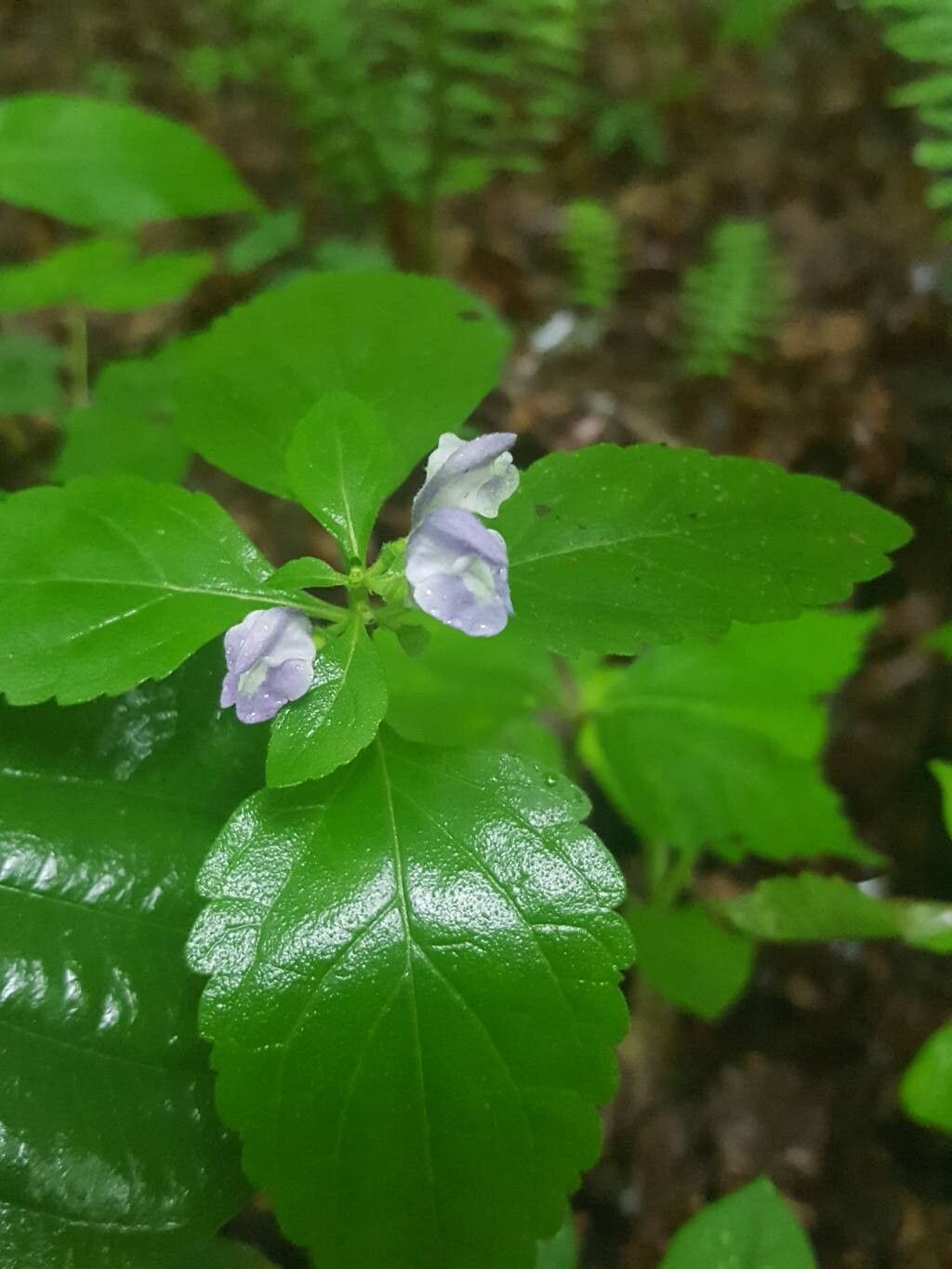
Oh, hello there, fellow plant enthusiast! I’m so excited to chat with you today about a truly special plant: Scutellaria alabamensis, also known as the Alabama Skullcap. If you’re looking for a delicate beauty that attracts pollinators with its lovely blue flowers, you’re in for a treat. And the best part? You can easily share this joy by propagating your own! I’ve been working with plants for two decades now, and I find propagating Scutellaria alabamensis to be quite rewarding, though it does have a bit of a learning curve. It’s definitely not the absolute easiest plant for a brand-new beginner, but with a little patience, you’ll be successful.
The Best Time to Start
My favorite time to get started with propagating Scutellaria alabamensis is in late spring to early summer. This is when the plant is actively growing, meaning it has plenty of youthful energy to put into developing new roots. You’ll be looking for fresh, non-woody stems – the kind that bend easily rather than snap.
Supplies You’ll Need
- Clean Pruning Shears or Sharp Knife: For taking clean, precise cuttings.
- Rooting Hormone (Optional but Recommended): A powder or gel to help cuttings form roots faster.
- Potting Mix: A well-draining mix is crucial. I like to use a blend of peat moss or coco coir, perlite, and a little bit of regular potting soil.
- Small Pots or Trays: Clean containers with drainage holes.
- Plastic Bag or Dome: To create a humid environment for your cuttings.
- Watering Can or Spray Bottle: For gentle watering.
- Labels: To keep track of your plants! We all know how easy it is to forget what we planted where.
Propagation Methods
Let’s dive into the methods that work best for Scutellaria alabamensis.
Stem Cuttings
This is my go-to method for this delightful skullcap.
- Take Your Cuttings: Select healthy, non-flowering stems that are about 3-5 inches long. Using your clean shears or knife, make a clean cut just below a leaf node (where a leaf meets the stem). Remove the lower leaves, leaving just a couple of pairs at the top.
- Apply Rooting Hormone (If Using): Dip the cut end of the stem into your rooting hormone, tapping off any excess.
- Plant Your Cuttings: Fill your small pots or trays with your well-draining potting mix. Make a small hole in the center of the mix with a pencil or your finger. Gently insert the cutting into the hole, ensuring the leaf nodes are covered by the soil.
- Water Gently: Water the soil lightly to help settle it around the cutting.
- Create a Humid Environment: Cover the pot with a plastic bag or place it under a clear dome. Make sure the leaves don’t touch the plastic if possible. This traps humidity, which is vital for cuttings to root. Place the pot in a bright location but out of direct, harsh sunlight.
Division
If you have an established clump of Scutellaria alabamensis, division is a quick way to get new plants.
- Unearth the Plant: Gently dig up the entire plant.
- Separate the Roots: Loosen the soil and carefully divide the plant into smaller sections, ensuring each section has plenty of roots and at least a few stems. You can use your hands or a clean trowel for this.
- Replant: Immediately replant the divided sections into pots filled with your well-draining potting mix, or back into their original spot in the garden, giving them a good watering.
The “Secret Sauce” (Pro Tips)
Here are a couple of things I’ve learned over the years that can make a big difference:
- Bottom Heat is Your Friend: For stem cuttings, placing your pots on a gentle heating mat can significantly speed up the rooting process. It mimics the warmth of spring and encourages root development from below. Just a little warmth goes a long way!
- Don’t Overwater: This is especially true for cuttings. They don’t have roots yet to absorb excess moisture. The soil should be kept consistently moist but never soggy. If the soil feels wet to the touch an inch down, you can probably wait to water. Soggy soil is the quickest way to invite rot, which is the nemesis of propagation.
Aftercare & Troubleshooting
Once you see signs of new growth, that’s a good indication your cuttings have rooted! You can gently tug on a cutting – if there’s resistance, it’s a sign roots are forming.
- Acclimatize: Once rooted, gradually remove the plastic bag or dome over a few days to let your new plants adjust to the ambient humidity.
- Transplant: When your new plants have a good root system and are a decent size, you can transplant them into larger pots.
- Troubleshooting: The most common issue you’ll face is rot. If your cuttings start to look mushy or black, it’s a sign of too much moisture and not enough air circulation. Don’t be afraid to discard any that look doomed and focus on the healthy ones. Overwatering is the usual culprit here.
A Little Patience Goes a Long Way
Propagating plants is a journey, and Scutellaria alabamensis is a wonderful travel companion. Don’t get discouraged if your first few attempts aren’t perfect. Each cutting you take is a chance to learn and refine your technique. I encourage you to enjoy the process, celebrate every new root, and soon you’ll have a garden overflowing with these beautiful blue blooms. Happy propagating!
Resource:
https://identify.plantnet.org/k-world-flora/species/Scutellaria%20alabamensis%20Alexander/data