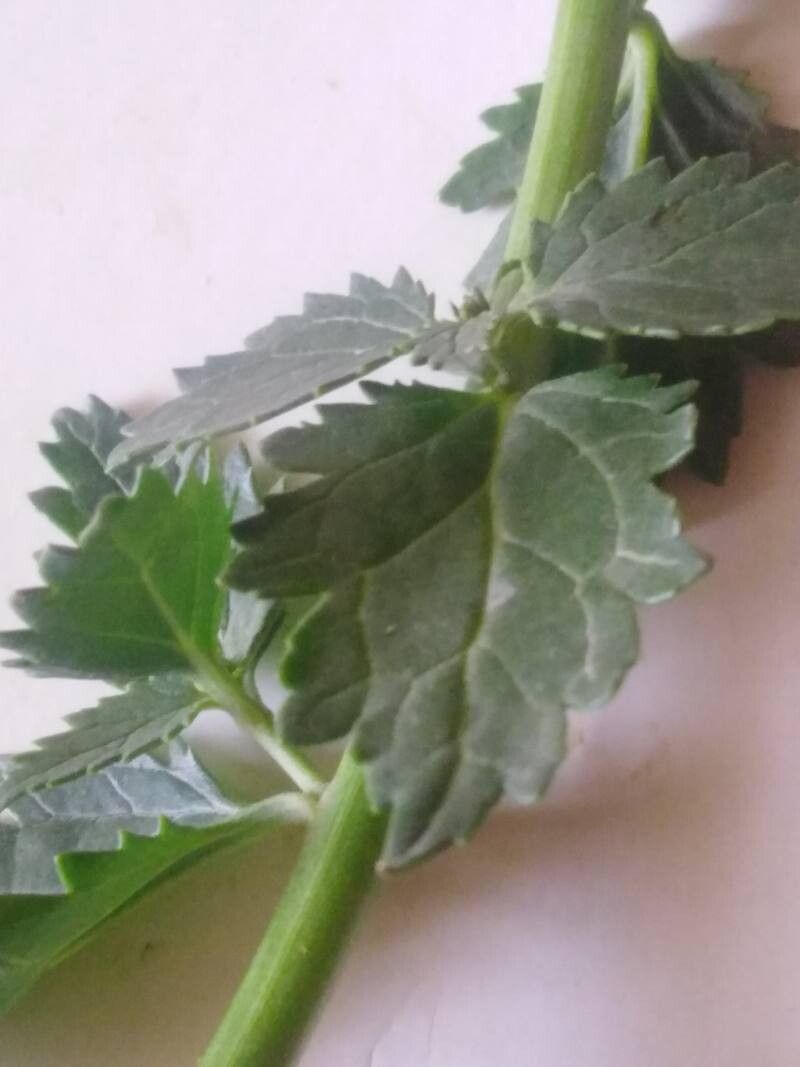
Hello there, fellow garden lovers! Today, I want to chat about a plant that’s been catching my eye lately, and one I think you’ll find just as captivating: Scrophularia libanotica. This beauty, with its delicate, often unique blooms and graceful form, brings a touch of wild elegance to any garden. And you know what’s even better than admiring it? Growing more of it yourself! Propagating plants is such a fulfilling part of gardening, a little bit of magic where you can create beauty from something you already have. Now, I’m not going to lie, Scrophularia libanotica isn’t quite as straightforward as say, a geranium cutting. It needs a little thoughtful attention. But with a bit of know-how, I truly believe even a budding gardener can have success and experience the joy of multiplying this lovely plant.
The Best Time to Start
For Scrophularia libanotica, the sweet spot for propagation is generally late spring to early summer. This is when the plant is in its active growing phase, packed with energy. New, soft growth is ideal for cuttings, as it’s most pliable and has the best chance of forming roots quickly. Trying to propagate when the plant is dormant or stressed will significantly lower your chances of success.
Supplies You’ll Need
Here’s a little kit to get you started on your propagation adventure:
- Clean, sharp pruning shears or a sharp knife. Sterilize them with rubbing alcohol or a bleach solution before and between uses.
- A good quality seed-starting mix or a well-draining potting mix combined with perlite or coarse sand. We want good aeration to prevent rot.
- Small pots or trays with drainage holes.
- Rooting hormone (optional, but it can give you a helpful boost).
- A plastic bag or propagation dome to maintain humidity.
- A spray bottle filled with clean water.
Propagation Methods: Taking Cuttings
The most reliable way to propagate Scrophularia libanotica is through stem cuttings. Let’s get our hands dirty!
- Select Your Cuttings: Look for healthy, non-flowering stems that are about 4-6 inches long. You want to take them from new growth that’s just starting to firm up, not the very soft, floppy tips, nor the woody old stems.
- Make the Cut: Using your clean shears or knife, make a clean cut just below a leaf node. A leaf node is that little bump on the stem where leaves emerge. This is where the magic of root formation usually happens.
- Prepare the Cutting: Gently remove the lower leaves from the cutting, leaving just two or three leaves at the very top. This reduces water loss and prevents leaves from rotting in the soil. If the remaining leaves are very large, you can even trim them in half horizontally to further reduce transpiration.
- Apply Rooting Hormone (Optional): Dip the cut end of the stem into your rooting hormone. Tap off any excess – you just need a thin coating.
- Plant the Cuttings: Make a hole in your prepared soil mix with a pencil or your finger. Gently insert the cut end of the stem into the hole. Firm the soil around the base of the cutting.
- Water Gently: Lightly water the soil until it’s just moist, not waterlogged.
- Create a Humid Environment: Place the pots into a plastic bag, sealing it loosely with a twist tie or rubber band, or cover them with a propagation dome. This creates a humid mini-greenhouse effect that helps keep the cuttings from drying out.
- Provide Light and Warmth: Place your pots in a bright location, but out of direct, harsh sunlight. A north-facing windowsill or a spot under grow lights works well.
The “Secret Sauce” (Pro Tips)
Here are a couple of things I’ve learned over the years that can make a real difference:
- Bottom Heat is Your Friend: If you have a seedling heat mat, place your pots on it. Warmer soil encourages root development much faster. I’ve found it’s a game-changer for many plants, and Scrophularia is no exception.
- Don’t Mist Constantly: While humidity is crucial, over-misting the leaves can sometimes lead to fungal issues. The plastic bag or dome is usually sufficient. If you do mist, do it sparingly in the morning so the leaves have time to dry.
- Check for Airflow: If you’re using a plastic bag, occasionally open it for a few minutes to allow for some air circulation. This helps prevent mold and rot.
Aftercare & Troubleshooting
Once you’ve planted your cuttings, be patient. It can take anywhere from 3 to 6 weeks, sometimes even longer, for roots to form. You’ll know they’re rooting when you see new growth appearing, or if you gently tug on the cutting and feel resistance.
Continue to keep the soil consistently moist but not soggy. Check the moisture level by touching the soil surface. If it feels dry, give it a light watering. When you see good root development and new growth, you can gradually remove the plastic bag or dome over a few days to acclimate the new plant to normal humidity levels. Once they’re fully acclimatized and looking robust, you can transplant them into their own individual pots.
The most common problem you’ll encounter is rot. If your cuttings turn black and mushy, it’s a sign of too much moisture and not enough airflow. Unfortunately, rotted cuttings are usually a lost cause. Don’t get discouraged; just try again with new cuttings, ensuring better drainage and ventilation. Yellowing leaves on the cuttings, while not ideal, can sometimes be a sign they’re trying to establish roots and are sacrificing older foliage. Keep an eye on them, and if the yellowing continues and no new growth appears, it might be time to try another cutting.
A Little Green Thumb Encouragement
Growing new plants from cuttings is such a rewarding journey. It’s a tangible way to connect with nature and expand your garden without spending a fortune. Remember, gardening is all about observation and learning. Some propagation attempts will be more successful than others, and that’s perfectly okay. So, give Scrophularia libanotica a try, be patient with the process, and most importantly, enjoy the quiet satisfaction of coaxing new life from your cherished plants. Happy gardening!
Resource:
https://identify.plantnet.org/k-world-flora/species/Scrophularia%20libanotica%20Boiss./data