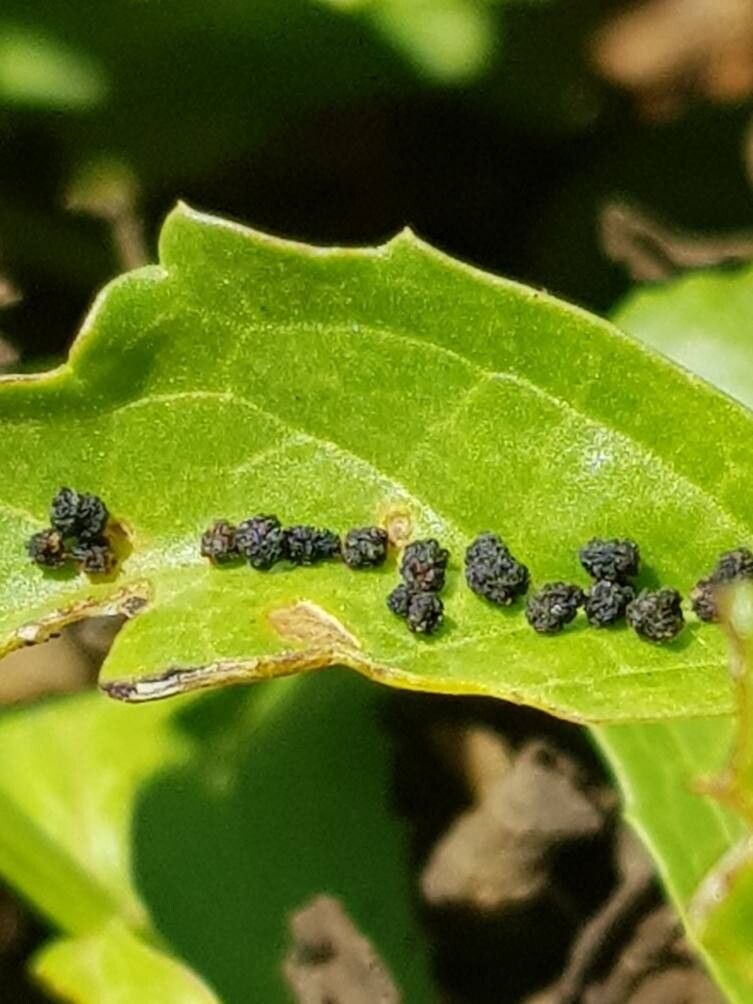
Hello fellow garden enthusiasts! Today, we’re diving into the delightful process of propagating Scrophularia frutescens, or as some of us affectionately call it, shrubby figwort. You know, those lovely plants with their delicate, often tubular flowers that attract a parade of pollinators? They add such a wonderful texture and movement to the garden, and multiplying them is a fantastic way to fill more of your space or share the charm with friends.
Now, are they a walk in the park for absolute beginners? I’d say Scrophularia frutescens is moderately easy to propagate. With a little attention to detail and the right approach, you’ll be seeing success in no time. The reward of watching a tiny cutting transform into a thriving plant is simply unmatched, don’t you think?
The Best Time to Start
For the most vigorous growth and best rooting success with Scrophularia frutescens, aim for late spring to early summer. This is when the plant is actively growing, meaning those stems have plenty of energy to push out roots. You want to be taking cuttings from new, semi-hardwood growth. This means the stem is not brand new and floppy, but also not completely woody and mature. Think of it as being firm but slightly flexible.
Supplies You’ll Need
Gathering your tools beforehand makes the whole process so much smoother. Here’s what I always have on hand:
- Sharp pruning shears or a clean, sharp knife: For making clean cuts.
- Rooting hormone (optional, but helpful): A powder or gel to encourage root development.
- A well-draining potting mix: I like a blend of potting soil, perlite, and a bit of coarse sand (around 2:1:1 ratio). This prevents waterlogging, which is the enemy of cuttings.
- Small pots or trays: With drainage holes, of course!
- A plastic bag or humidity dome: To maintain a moist environment for your cuttings.
- Water: For moistening the soil and hydrating cuttings.
- Labels and a marker: So you don’t forget what you planted where!
Propagation Methods
There are a couple of ways to go about propagating Scrophularia frutescens, and I find stem cuttings to be the most reliable and rewarding.
Stem Cuttings:
- Select Your Cuttings: Head out to your healthy Scrophularia frutescens plant. Look for stems that are about 4-6 inches long and feel firm but still have a bit of flexibility.
- Make the Cut: Using your clean shears or knife, make a clean cut just below a leaf node. A leaf node is where a leaf emerges from the stem, and this is where roots are most likely to form.
- Prepare the Cutting: Gently remove the lower leaves, leaving just a few at the very top. This is important to prevent them from rotting in the soil. If the leaves at the top are very large, you can even cut them in half to reduce water loss.
- Apply Rooting Hormone (Optional): Dip the cut end of the stem into your rooting hormone, tapping off any excess.
- Plant Your Cuttings: Moisten your well-draining potting mix. Make a small hole with your finger or a pencil and insert the cutting, ensuring the lower leaves are above the soil line. Gently firm the soil around the stem.
- Create a Humid Environment: Water everything gently to settle the soil. Then, cover the pots with a plastic bag or place them under a humidity dome. This will keep the humidity high, which is crucial for preventing the cuttings from drying out before they develop roots. Place them in a bright spot, but out of direct, scorching sunlight.
The “Secret Sauce” (Pro Tips)
Here are a couple of things I’ve learned over the years that really make a difference:
- Don’t let the leaves touch the water in the soil! If you’re doing water propagation, which I sometimes do for quick checks, make sure only the bare stem is submerged. Any leaves in the water are a recipe for rot. For soil cuttings, this means removing lower leaves carefully.
- Bottom heat is your friend! If you can provide a gentle heat source from below, like a seedling heating mat, you’ll significantly speed up root development. It mimics the warmth of spring soil and gives those nascent roots an extra boost.
Aftercare & Troubleshooting
Once your cuttings are planted, the waiting game begins! Keep the soil consistently moist but not soggy. You can check this by gently poking your finger into the soil. If it feels dry, give it a light watering. You should start to see signs of new growth – little leaves unfurling at the tip – within a few weeks to a couple of months.
The most common sign of trouble is rot. If your cutting turns black and mushy, it’s likely succumbed to overwatering or lack of air circulation. In this case, it’s best to discard it and try again. Another sign of failure is if the stem simply dries out and wilts, refusing to root. This usually indicates it wasn’t kept humid enough or the heat was too intense.
A Encouraging Closing
Propagating Scrophularia frutescens is a wonderfully rewarding endeavor. Don’t be discouraged if your first few attempts aren’t perfect. Gardening is all about learning and experimenting. Be patient, observe your cuttings, and soon you’ll be enjoying new plants you grew yourself. Happy gardening!
Resource:
https://identify.plantnet.org/k-world-flora/species/Scrophularia%20frutescens%20L./data