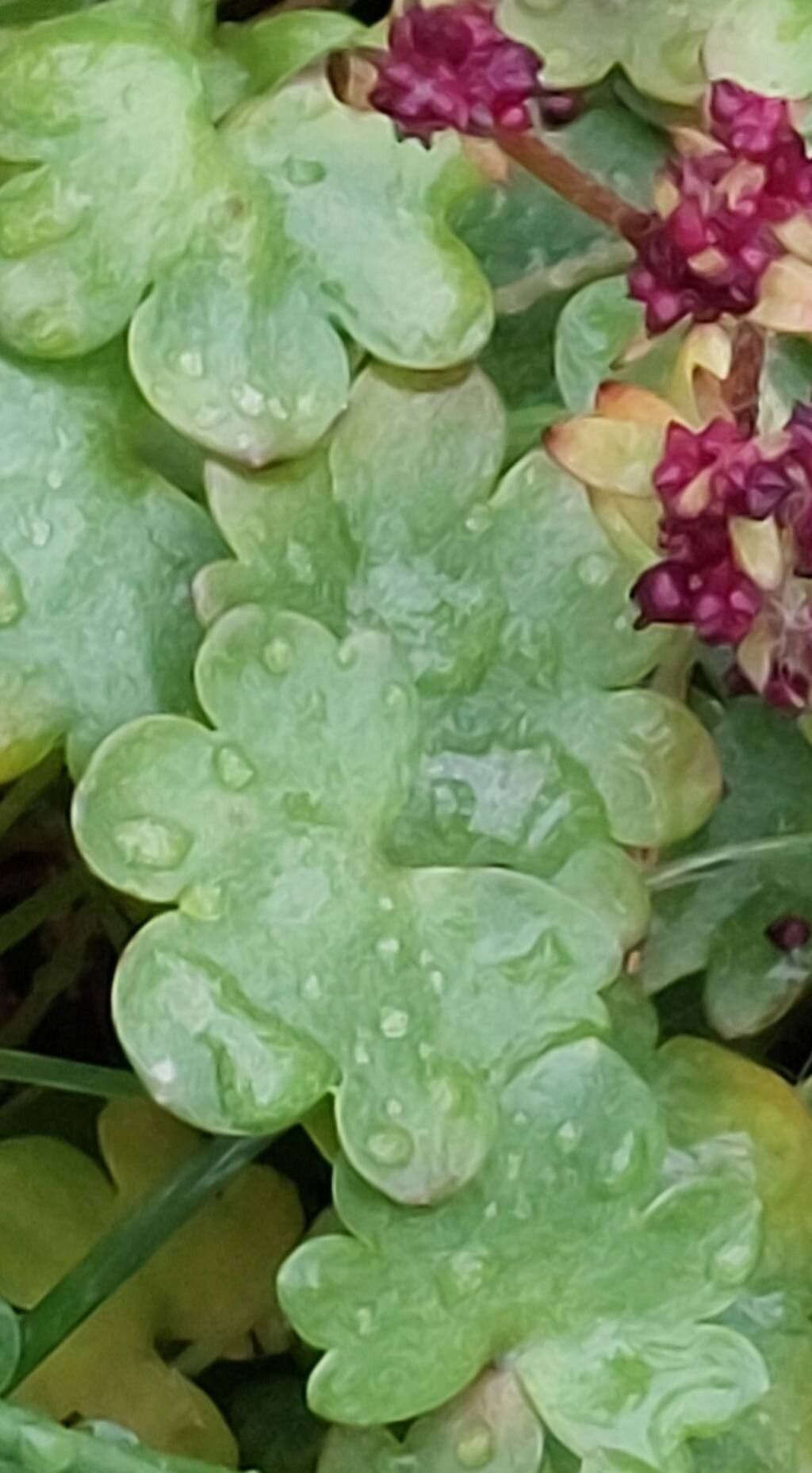
Hello fellow plant lovers! Today, we’re diving into the wonderful world of propagating Saxifraga cernua, often called Nodding Saxifrage or Kern-flowered Saxifrage. This little gem is a delight with its delicate, nodding flowers and compact habit. It’s a fantastic choice for rock gardens, alpine troughs, or even a charming windowsill display. Bringing Saxifraga cernua into your garden or plant collection is incredibly rewarding, and propagating it yourself is an even deeper level of connection with this plant. While it might seem a little fussy at first glance, with a few pointers, you’ll be well on your way to success. It’s not the absolute easiest plant for a complete beginner, but with a bit of patience and attention, it’s certainly achievable!
The Best Time to Start
For the highest success rate, I find that late spring to early summer is your golden window for propagating Saxifraga cernua. This is when the plant is actively growing after flowering, and its stems are plump and full of life. Waiting until after it has bloomed means you’re working with healthy, vigorous material, which is always a good sign.
Supplies You’ll Need
To get your propagation station set up, gather these essentials:
- Sharp, clean pruning shears or a craft knife: For making precise cuts.
- Seed-starting mix or a gritty, free-draining potting mix: I often use a blend of equal parts peat moss, perlite, and coarse sand. Commercial succulent or cactus mixes work well too.
- Small pots or trays: Clean ones are crucial to prevent disease.
- Rooting hormone (optional but recommended): A powder or gel can give your cuttings a helpful boost.
- Plastic bags or a propagator: To maintain humidity around your cuttings.
- Watering can with a fine rose or a spray bottle: For gentle watering.
Propagation Methods: Let’s Get Our Hands Dirty!
Saxifraga cernua is best propagated through stem cuttings or division. Let’s explore these:
Stem Cuttings: The Most Common Approach
- Take Your Cuttings: Gently select healthy, non-flowering stems from your Saxifraga cernua plant. Using your clean shears, snip off sections that are about 2-3 inches long. Aim for pieces that have at least a couple of sets of leaves.
- Prepare the Cuttings: Carefully remove the lower leaves from the cutting. This is important because any leaves submerged in soil will likely rot. You can leave the top few leaves intact. If you’re using rooting hormone, dip the cut end of the stem into the hormone powder or gel, tapping off any excess.
- Planting the Cuttings: Fill your small pots or trays with your well-draining potting mix. Make a small hole with a pencil or your fingertip, then insert the cut end of the Saxifraga cernua stem. Gently firm the soil around the cutting to ensure good contact.
- Water and Cover: Water the soil lightly, just enough to moisten it. Place the pots inside a clear plastic bag or a propagator to create a humid environment. You can secure the bag around the pot with a twist tie.
Division: For Established Plants
If you have a larger, established clump of Saxifraga cernua, division is a straightforward method.
- Gently Remove the Plant: Carefully dig up the entire plant from its pot or the garden. Try to disturb the root ball as little as possible.
- Separate the Divisions: Gently tease apart the root ball with your fingers or a small trowel. You’re looking to separate the plant into smaller sections, each with its own healthy roots and some leafy shoots. You don’t need to be overly precise; a natural break is perfect.
- Replant: Immediately replant the divisions into their own pots or suitable spots in your garden, using your well-draining potting mix. Water them in well.
The “Secret Sauce” (Pro Tips)
Here are a few little tricks I’ve learned over the years that really make a difference:
- Keep it Airy: While humidity is key, don’t let the leaves of your cuttings sit in standing water or even be constantly damp. This is a recipe for fungal issues. If you do see condensation buildup in your propagator, open it up for an hour or so to let things air out.
- Bottom Heat is Your Friend: While not strictly necessary, gentle bottom warmth (from a heated propagator mat or placing pots on top of a warm appliance like a gently running refrigerator) can significantly speed up root formation. I find it encourages those stubborn cuttings to get going.
- Patience is a Virtue (and Often Needs a Little Nudge): Sometimes, cuttings will stay looking the same for a while, which can be discouraging. Don’t give up too soon! Check for roots gently by giving a cutting the tiniest tug. If there’s resistance, you’re likely to have roots forming.
Aftercare & Troubleshooting
Once your Saxifraga cernua cuttings have developed roots (you’ll often see new growth or feel resistance when gently tugging), it’s time to transition them.
- Acclimatize: Gradually remove the plastic bag or open the propagator for longer periods over a week or two. This helps the young plants adjust to normal humidity levels.
- Watering: Water when the top inch of soil feels dry. Avoid overwatering, as this is the most common cause of rot.
- Light: Provide bright, indirect light. Direct sun can scorch delicate new foliage.
Troubleshooting: The biggest issue you’ll likely encounter is rot. If a cutting turns mushy, black, or falls over, it’s usually succumbed to rot. This is often due to excessive moisture and poor air circulation. If you see signs of rot, remove the affected cutting immediately to prevent it from spreading.
A Little Encouragement to Finish
Propagating plants is such a joy. It’s about patience, observation, and the quiet thrill of creating new life. Don’t be discouraged if your first attempt isn’t perfect; each plant and each cutting is a learning experience. So, gather your supplies, enjoy the process, and soon you’ll have more beautiful Saxifraga cernua to admire and share! Happy gardening!
Resource:
https://identify.plantnet.org/k-world-flora/species/Saxifraga%20cernua%20L./data