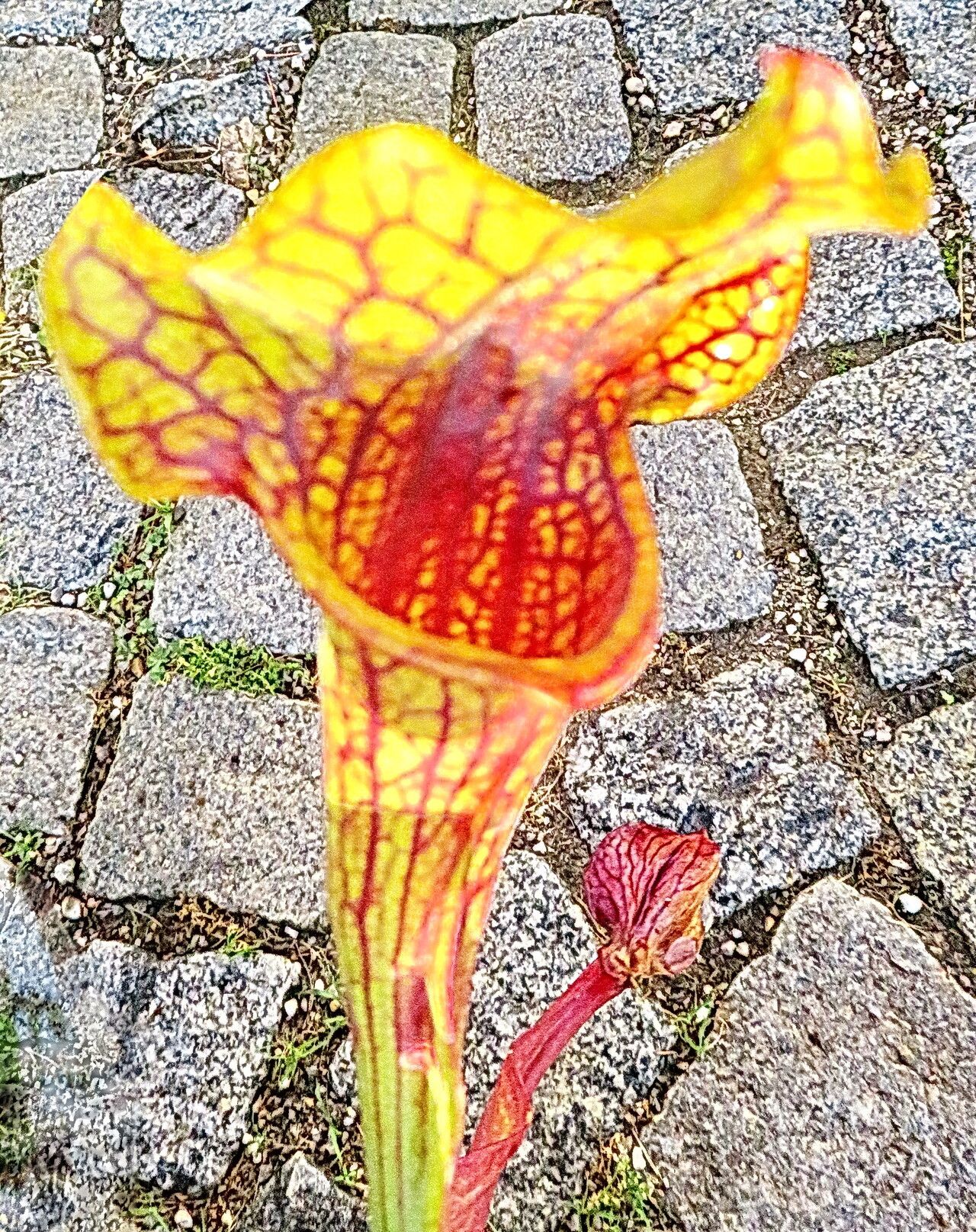
Hey there, fellow plant lovers! Today, we’re diving into the fascinating world of Sarracenia flava, the ever-reliable Yellow Trumpet Lily. If you’ve ever admired those stunning, upright pitchers, you know just how captivating these carnivorous beauties are. And let me tell you, propagating them is one of the most rewarding gardening experiences you can have. It’s a wonderful way to multiply your collection, share them with friends, or simply marvel at nature’s ingenuity.
Now, for the good news: Sarracenia flava is generally quite forgiving, making it a fantastic plant for beginners looking to dip their toes into propagation. You don’t need to be a seasoned pro to have success here, which is always a bonus!
The Best Time to Start
Spring is truly king when it comes to propagating Sarracenia flava. Aim for late spring to early summer, right after the plant has finished its major growth spurt. The pitchers are usually well-established by this point, and the plant has plenty of energy to spare. This is when they’re really raring to go!
Supplies You’ll Need
Before we get our hands dirty, let’s gather our trusty companions:
- Peat moss and perlite: A 50/50 mix is ideal. Avoid any fertilizers or nutrient-rich amendments, as these guys are adapted to poor soils.
- Sharp, clean pruning shears or a razor blade: Sterilize them with rubbing alcohol to prevent disease.
- Small pots or trays: Anything that can hold your new cuttings and soil.
- Distilled or rainwater: Crucial for watering these sensitive plants. Tap water can contain minerals that harm them.
- Optional: Rooting hormone: While not always necessary for Sarracenia flava, it can give your cuttings an extra boost.
- Optional: Clear plastic bag or dome: To maintain humidity.
- Optional: Heating mat: For bottom heat, which can speed up root development.
Propagation Methods
Sarracenia flava can be propagated through a couple of straightforward methods. Divisions are the most common and usually the easiest for beginners, but you can also try tip cuttings if you’re feeling adventurous!
Division: The Most Reliable Route
This is by far the easiest and most successful method for Sarracenia flava. It’s like giving your plant a little haircut and getting new plants from the trimmings!
- Gently unpot your established Sarracenia plant. Be careful not to damage the delicate roots.
- Using your clean pruning shears or a razor blade, carefully divide the rhizome. Look for natural growth points – where new pitchers are emerging. You want to ensure each division has at least one healthy pitcher and some root system attached.
- Plant each division into its own pot filled with your peat moss and perlite mix. Make sure the rhizome is just at or slightly below the soil surface, with the new pitchers pointing upwards.
- Water thoroughly with distilled or rainwater. Keep the soil consistently moist, but not waterlogged.
Tip Cuttings: For the Brave
This method is a little more fiddly, but it works!
- Select a healthy, actively growing pitcher. Aim for one that’s not too young (still floppy) or too old (starting to brown). It should be relatively firm.
- Using your sterile razor blade or shears, carefully cut the pitcher just above the rhizome. You’re essentially taking the top portion of the pitcher, along with a bit of the stem.
- Remove the lid and any downward-pointing hairs from the inside of the cut pitcher. This helps prevent rot and encourages rooting.
- Dip the cut end into rooting hormone (if you’re using it).
- Gently insert the cut end into a pot filled with your peat moss and perlite mix. You want it to stand upright.
- Water well with distilled water and place the pot in a warm, bright location.
The “Secret Sauce” (Pro Tips)
Here are a few tricks I’ve picked up over the years that can really make a difference:
- Don’t let the leaves touch the water: Whether you’re dividing or taking cuttings, make sure that the base of the plant or the cut end of your cutting isn’t sitting directly in standing water in the tray. This is a fast track to rot. The soil should be moist, but not saturated.
- Bottom heat is your friend: If you’re doing tip cuttings, placing the pot on a heating mat set to a low temperature (around 70-75°F or 21-24°C) can significantly speed up root formation. It mimics the warmth they’d get from being underground.
- Humidity is key, but ventilation matters too: For tip cuttings, you absolutely want to maintain high humidity. A clear plastic bag or a propagation dome works wonders. However, open it up for a few minutes each day to allow for air circulation. This prevents fungal issues from taking hold in that damp environment.
Aftercare & Troubleshooting
Once your new Sarracenias are potted, give them plenty of bright, indirect light. Direct sun can be too harsh for delicate new growth. Keep the soil consistently moist – think consistently damp, like a wrung-out sponge.
The biggest challenge you might face is rot. If you see your pitcher turning mushy and black, it’s usually a sign that it’s getting too wet or lacks proper airflow. Don’t despair! Remove any rotting material immediately and try to reduce the moisture slightly, while still keeping the soil damp. For divisions, if the existing roots look healthy, they often bounce back even if a pitcher is lost. For tip cuttings, if the whole thing goes mushy, it’s sadly a loss, but don’t be afraid to try again. Patience is truly a virtue with these plants. You’re looking for new growth – tiny new leaves or pitchers – as the sign that roots have formed and your propagation is successful.
A Encouraging Closing
See? Not so scary, right? Propagating Sarracenia flava is a deeply satisfying journey. It requires a bit of patience and a watchful eye, but the reward of nurturing new life from your existing plants is just incredible. So grab your supplies, find a sunny spot, and enjoy the process. Happy propagating!
Resource:
https://identify.plantnet.org/k-world-flora/species/Sarracenia%20flava%20L./data