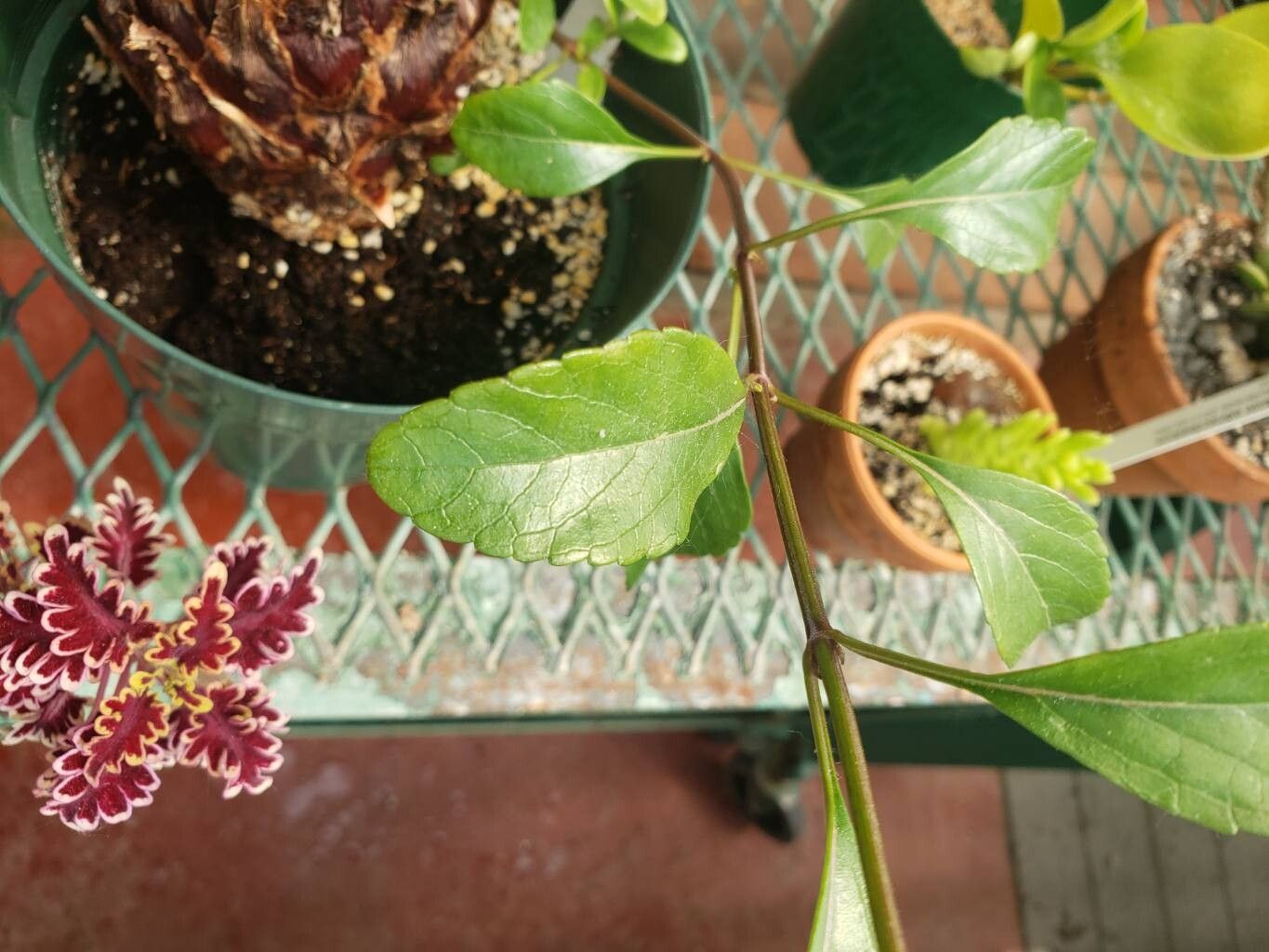
Hello fellow garden enthusiasts! I’m so glad you’ve stumbled upon this little corner of green. Today, we’re diving into the wonderful world of Salvia buchananii, a real gem that brings such vibrant color and sweet fragrance to any garden. My own patio is rarely without it.
There’s something incredibly satisfying about growing more plants from a cherished one. It’s like magic, really, but it’s a magic you can do in your own backyard! Salvia buchananii can be a touch more fuss than some of your everyday bedding plants, but honestly, I wouldn’t call it a challenge. With a little patience and care, you’ll be rewarded with a whole new troop of these beauties.
The Best Time to Start
For the highest chance of success with Salvia buchananii, I always aim for late spring or early summer. This is when the plant is actively growing, and those new shoots are full of vigor. They’re much more likely to root and thrive when they have plenty of light and warmth to work with.
Supplies You’ll Need
Here’s what I recommend gathering before you get your hands dirty:
- Sharp, clean pruning shears or a sharp knife: For making clean cuts.
- Small pots or trays: About 3-4 inches in diameter are perfect.
- Well-draining potting mix: A good seed-starting mix or a blend of potting soil with perlite or coarse sand works wonders. Avoid anything too heavy.
- Rooting hormone (optional but recommended): This really gives cuttings a head start.
- Plastic bags or propagation domes: To create a humid environment.
- Spray bottle: For misting.
- Small trowel or dibber: For making planting holes.
Propagation Methods
Let’s get propagating! I find stem cuttings to be the most reliable for Salvia buchananii.
- Take Your Cuttings: Look for those healthy, non-flowering stems. Using your sharp shears, take cuttings that are about 4-6 inches long. Make the cut just below a leaf node (where a leaf attaches to the stem). This is crucial for root development.
- Prepare the Cuttings: Gently remove the lower leaves, leaving just a few at the top. If the remaining leaves are quite large, I sometimes snip them in half to reduce water loss.
- Apply Rooting Hormone (Optional): Dip the cut end of each stem into your rooting hormone powder or gel. Tap off any excess.
- Pot Them Up: Fill your small pots with your prepared potting mix. Make a small hole in the center of each pot with your finger or a dibber.
- Insert Cuttings: Gently place the prepared cuttings into the holes, making sure the nodes where you removed the leaves are buried in the soil. Firm the soil gently around the base of each cutting.
- Provide Humidity: Water the soil lightly and then cover the pots with a plastic bag or a propagation dome. This creates a mini-greenhouse effect, keeping the humidity high. You can secure the bag with a rubber band.
The “Secret Sauce” (Pro Tips)
Here are a couple of things I’ve learned over the years that make a big difference:
- Don’t let the leaves touch the water: If you happen to try water propagation (which is less common for salvias but possible), make absolutely sure the leaves aren’t submerged. They’ll just rot. Stick to soil propagation for Salvia buchananii for best results.
- Bottom heat is your friend: If you have one of those seedling heat mats, placing your pots on it will significantly speed up root formation. It mimics the warmth of summer soil. Keep the soil temperature around 70-75°F (21-24°C).
- Air circulation is key: Even though you want humidity, you don’t want stagnant, damp air, as that encourages fungal diseases. Open the plastic bag or dome for a few minutes each day to let in fresh air.
Aftercare & Troubleshooting
Once your cuttings are potted, place them in a bright spot with indirect light. Avoid direct, scorching sun, especially at first. Keep the soil consistently moist but never soggy.
You’ll know your cuttings have rooted when you see new leaf growth and they feel firm when gently tugged. This typically takes 3-6 weeks. Once they’ve got a good root system, you can gradually acclimate them to normal conditions by removing the plastic covering for longer periods each day. Eventually, you can pot them into slightly larger containers.
The most common sign of failure is rot. If your cuttings turn mushy or black, or if you see mold on the soil, it’s usually a sign that the soil is too wet and there isn’t enough air circulation. Don’t be discouraged; just try again with fresh cuttings and adjust your watering and ventilation.
A Little Encouragement
Remember, gardening is all about learning and experimenting. Some years will be more successful than others, and that’s perfectly okay. The joy is in the process, the connection to nature, and the satisfaction of nurturing something new. Be patient with your little Salvia buchananii cuttings, give them a good start, and watch them grow! Happy gardening!
Resource:
https://identify.plantnet.org/k-world-flora/species/Salvia%20buchananii%20Hedge/data