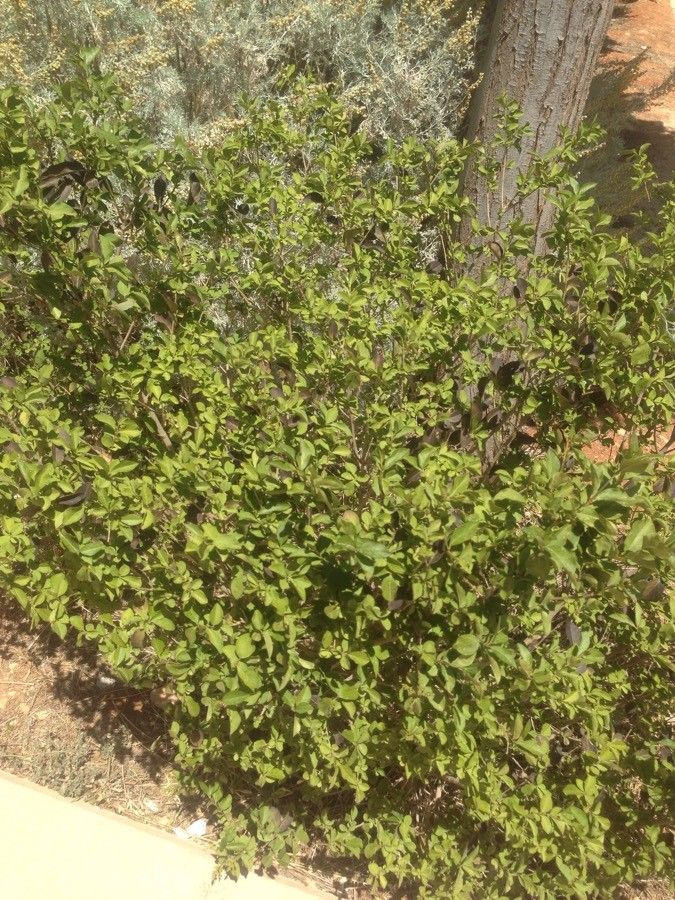
Oh, hello there! Grab your favorite mug, because today we’re talking about a real gem in the garden: Salvia ballotiflora. I just love this plant. Its vibrant blooms and lovely fragrance really draw you in, and honestly, seeing a little cutting of yours turn into a whole new, thriving plant is one of the most satisfying feelings a gardener can experience. If you’re looking for something a little out of the ordinary but not overly fussy, this is for you. For beginners looking to dip their toes into propagation, I’d say Salvia ballotiflora is moderately easy. It’s a forgiving plant, which is always a good start!
The Best Time to Start
When you’re looking to create more of these beauties, timing is key. The absolute best time to propagate Salvia ballotiflora is in late spring or early summer, after the plant has finished its initial flush of blooming. You want to take cuttings from new, healthy growth that is still somewhat soft but not brand new and floppy. Think of it as taking a piece that’s got some good energy, but isn’t woody and tough yet.
Supplies You’ll Need
Before we get our hands dirty, let’s make sure we’ve got everything ready. A little preparation goes a long way in making this process smooth sailing.
- Sharp Pruning Shears or a Clean Knife: For making nice, clean cuts.
- Rooting Hormone: While not strictly essential for Salvia ballotiflora, it can definitely give your cuttings a helpful boost. I like to use a powdered form.
- Small Pots or Seed Trays: Clean ones are a must!
- Well-Draining Potting Mix: A good blend for me is usually half potting soil and half perlite or coarse sand. This keeps things from getting waterlogged, which is crucial.
- Watering Can with a Fine Rose or Mister: For gentle watering.
- Plastic Bag or Clear Dome: To create a mini-greenhouse effect.
- Labeling Stakes: So you don’t forget what you planted!
Propagation Methods
Let’s dive into the fun part – actually making more plants! We’ll focus on stem cuttings, which is my go-to for Salvia ballotiflora.
Stem Cuttings: The Reliable Favorite
- Take Your Cuttings: Using your sharp shears or knife, take cuttings from healthy, non-flowering stems. Aim for pieces about 4-6 inches long. Make your cut just below a leaf node (where a leaf attaches to the stem). This is where the magic happens, as roots are more likely to form there.
- Prepare the Cuttings: Gently remove the lower leaves from the bottom half of the cutting. You want at least a couple of leaf nodes buried in the soil later. If there are any flower buds, pinch those off too – we want the plant to focus its energy on roots, not flowers.
- Apply Rooting Hormone (Optional but Recommended): Dip the cut end of the stem into your rooting hormone, tapping off any excess.
- Potting Up: Fill your small pots with your prepared well-draining mix. Make a small hole in the center with your finger or a pencil.
- Plant the Cutting: Insert the prepared cutting into the hole, ensuring that at least one or two leaf nodes are buried beneath the soil surface. Gently firm the soil around the stem.
- Water Gently: Water the potting mix thoroughly but gently, using your mister or watering can with a fine rose. You want the soil to be moist, not soggy.
- Create a Humid Environment: Place the potted cutting inside a clear plastic bag or cover it with a clear dome. This little greenhouse traps humidity, which is vital for preventing the cuttings from drying out before they develop roots. You can secure the bag loosely around the pot with a rubber band.
- Find a Warm Spot: Place your cuttings in a bright location that receives indirect sunlight. Avoid direct sun, as it can scorch the new cuttings.
Water Propagation: The Visual Method
This is a more visual way to see those roots form!
- Take and Prepare Cuttings: Follow steps 1 and 2 above. For water propagation, you can even remove all the leaves except for the very top two or three if you’re worried about leaves decaying in the water.
- Place in Water: Put the cuttings into a clean jar or glass filled with fresh water.
- Submerge Nodes: Make sure at least one or two leaf nodes are submerged in the water. Crucially, don’t let any leaves touch the water. This will lead to rot.
- Change Water Regularly: Change the water every few days to keep it fresh and prevent bacterial growth.
- Location: Again, place the jar in a bright spot with indirect light.
- Transplant When Ready: Once you see a good amount of roots, about an inch or so long, you can pot them up into soil as described in step 5 of the stem cuttings method.
The “Secret Sauce” (Pro Tips)
Now, for a couple of little tricks I’ve picked up over the years that can really make a difference.
- Bottom Heat is Your Friend: If you find your cuttings are taking a while to root, consider using a small heating mat designed for seedlings. Placing your pots on a gentle heat source can significantly speed up root development. Just make sure it’s not too hot – a gentle warmth is what you’re after.
- The “Air Layering” Trick (for woody stems): While stem cuttings are usually best, if you have a slightly older, woody stem that’s proving stubborn, you can try air layering. You’ll make an upward-slanting cut about a third of the way through the stem, keeping it open with a toothpick. Then, wrap the wounded area with moist sphagnum moss and cover it with plastic wrap. Once roots form within the moss, you can carefully cut below the new roots and pot up your new plant. It’s a bit more involved, but effective for harder-to-root specimens.
Aftercare & Troubleshooting
Once you see roots peeking out from the bottom of your pot (or you can gently tug on the cutting and feel resistance), your Salvia ballotiflora is well on its way!
- Acclimatization: This is a key step. If your cuttings were in a plastic bag, gradually start to remove the bag over a few days to let them get used to the ambient humidity.
- Watering: Continue to water with care. Let the soil surface dry out slightly between waterings. You don’t want to drown your new little plant.
- Light: Gradually introduce them to more direct sunlight, but keep an eye out for any signs of stress.
- Fertilizing: Wait until you’ve seen some good new growth before feeding lightly with a diluted liquid fertilizer.
Common Signs of Failure: The biggest culprit is usually rot. If your cuttings turn black and mushy, or develop a foul smell, they’ve likely rotted. This is often due to too much moisture and not enough air circulation. If you see wilting that doesn’t improve, it could be that the cutting is just too dry. Don’t be discouraged if not every cutting makes it – it’s part of the learning process! Just toss the failed ones and try again.
A Little Patience Goes a Long Way
See? Propagating Salvia ballotiflora is a really rewarding journey. It requires a bit of patience and observation, but the payoff of watching these beautiful plants multiply is absolutely worth it. Keep experimenting, keep learning, and enjoy the magic of growing your own garden, one little cutting at a time! Happy gardening!
Resource:
https://identify.plantnet.org/k-world-flora/species/Salvia%20ballotiflora%20Benth./data