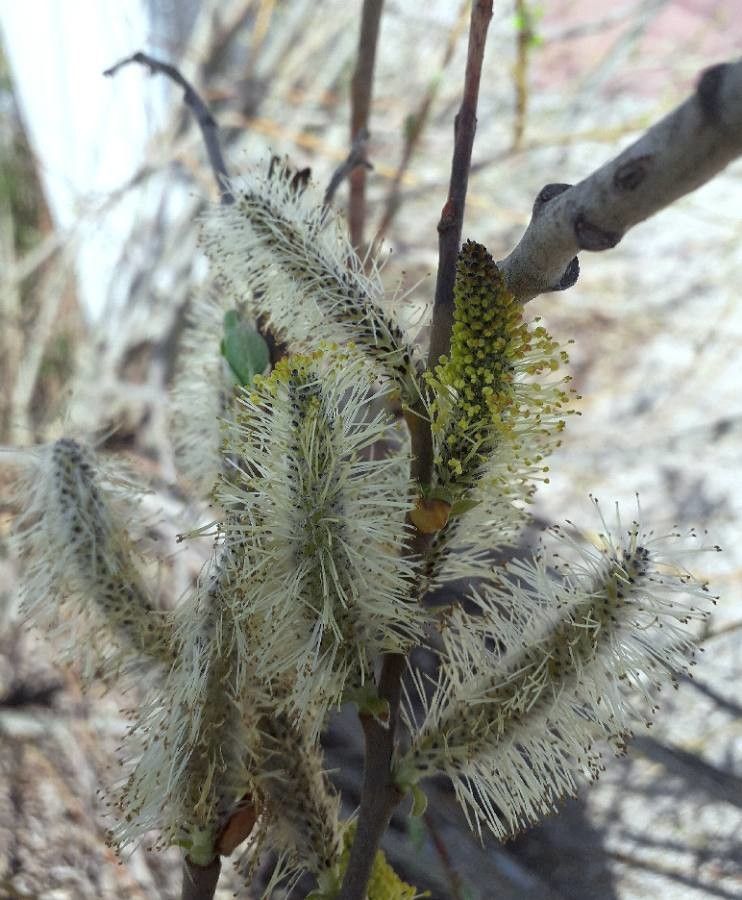
Ah, Salix cinerea, the common sallow! Isn’t it just a wonderfully adaptable and often overlooked beauty? I remember the first time I saw a stand of it, their silvery-green catkins sparkling in the spring sun – pure magic. It’s got this lovely fuzzy texture and its branches often have a graceful, arching habit. And the best part? Propagating it is incredibly rewarding, and honestly, a really good place for beginners to get their hands dirty. You’ll be surprised how easy it is to create more of these delightful willows to share or to fill out a garden space.
The Best Time to Start
For Salix cinerea, it’s all about timing with the sap. The absolute best time to take cuttings is in late winter to early spring, just as the trees are waking up but before the new leaves fully unfurl. You want to catch them when they’re dormant but have stored energy. This is when they’re primed for rooting.
Supplies You’ll Need
Gathering your tools beforehand makes the whole process smoother. Here’s what I usually have on hand:
- Sharp Pruning Shears or a Knife: Clean cuts are crucial!
- Rooting Hormone (Optional, but recommended): A powder or gel to give cuttings a helpful boost.
- Well-Draining Potting Mix: A good blend for me is 50% potting soil and 50% perlite or coarse sand. You can also buy a specialist cutting compost.
- Pots or Trays: Small individual pots work well, or a larger tray if you’re doing many. Make sure they have drainage holes.
- Watering Can or Spray Bottle: For gentle moisture.
- A Clean Bucket: For soaking cuttings if you go that route.
Propagation Methods
Salix cinerea is wonderfully forgiving, and stem cuttings are really your go-to here.
Stem Cuttings: The Tried and True Method
- Select Your Cuttings: Head out to your sallow when it’s dormant (late winter/early spring). Look for healthy, current-year shoots. You want pieces that are pencil-thick, about the length of your hand (around 6-10 inches is perfect).
- Make Clean Cuts: Using your sharp shears, make a clean cut just below a node (where a leaf or bud has emerged). Make the top cut just above a node as well, cutting at a slight angle.
- Prepare the Cuttings: Gently remove any leaves from the bottom two-thirds of the cutting. You can even strip off any bark from the very bottom inch or so – this encourages root formation.
- Apply Rooting Hormone (Optional): Dip the bottom end of your prepared cutting into rooting hormone, tap off any excess.
- Planting: Now, firmly insert the cuttings about one-third to one-half of their length into your prepared potting mix. If you’re using a few in one pot, space them a few inches apart. If you’re doing a tray, you can plant them closer. Make sure the soil is firm around the stem.
- Water In: Water gently but thoroughly. The soil should be moist but not waterlogged.
Water Propagation (A Fun Alternative!)
This is almost as simple and quite satisfying to watch.
- Take Cuttings: Follow steps 1-3 from the stem cutting method.
- Place in Water: Pop the prepared cuttings into a jar or vase filled with fresh water. Make sure no leaves will be submerged; strip off any that would sit below the waterline.
- Find a Spot: Place the jar in a bright spot, but out of direct, scorching sunlight.
- Change Water Regularly: Change the water every few days to keep it fresh and prevent rot. You’ll start to see little white roots emerging from the nodes after a few weeks.
The “Secret Sauce” (Pro Tips)
Here are a few little tricks I’ve learned over the years that make a difference:
- Don’t Be Shy with the Rooting Hormone: For Salix, it’s not strictly necessary, as they root so readily. But a good dip in rooting hormone really speeds things up and increases the success rate, especially if your cuttings aren’t absolutely perfect.
- Think “Greenhouse Effect”: Once your cuttings are planted, covering the pot or tray with a clear plastic bag or dome creates a humid microclimate. This prevents them from drying out while they’re trying to root. Just make sure the leaves aren’t touching the plastic!
- Bottom Heat is Your Friend: If you can, placing your pots or tray on a heated propagator or a sunny windowsill above a radiator is a game-changer. That warmth encourages those roots to get going much faster than just ambient room temperature.
Aftercare & Troubleshooting
Once your cuttings have developed a good system of roots – you’ll see them peeking out of the drainage holes or feel resistance when you gently tug – it’s time to pot them up into individual containers. Use a good quality, general-purpose potting mix. Water them well and keep them in a bright location, but still protected from harsh direct sun.
The most common issue you might encounter is rot. This usually happens if the cuttings are too wet, or if you haven’t stripped off enough leaves that are sitting in water or soil. If you see a cutting turning black and mushy, sadly, it’s best to discard it to prevent it spreading. Sometimes, cuttings just don’t take – it’s part of the learning process. Don’t be discouraged!
A Encouraging Closing
Propagating Salix cinerea is such a satisfying way to connect with nature and grow more beauty for your garden. Be patient with the process; sometimes it takes a little while for those roots to establish. Just give them a little love and attention, and you’ll soon be rewarded with brand new baby willows to nurture. Happy propagating!
Resource:
https://identify.plantnet.org/k-world-flora/species/Salix%20cinerea%20L./data