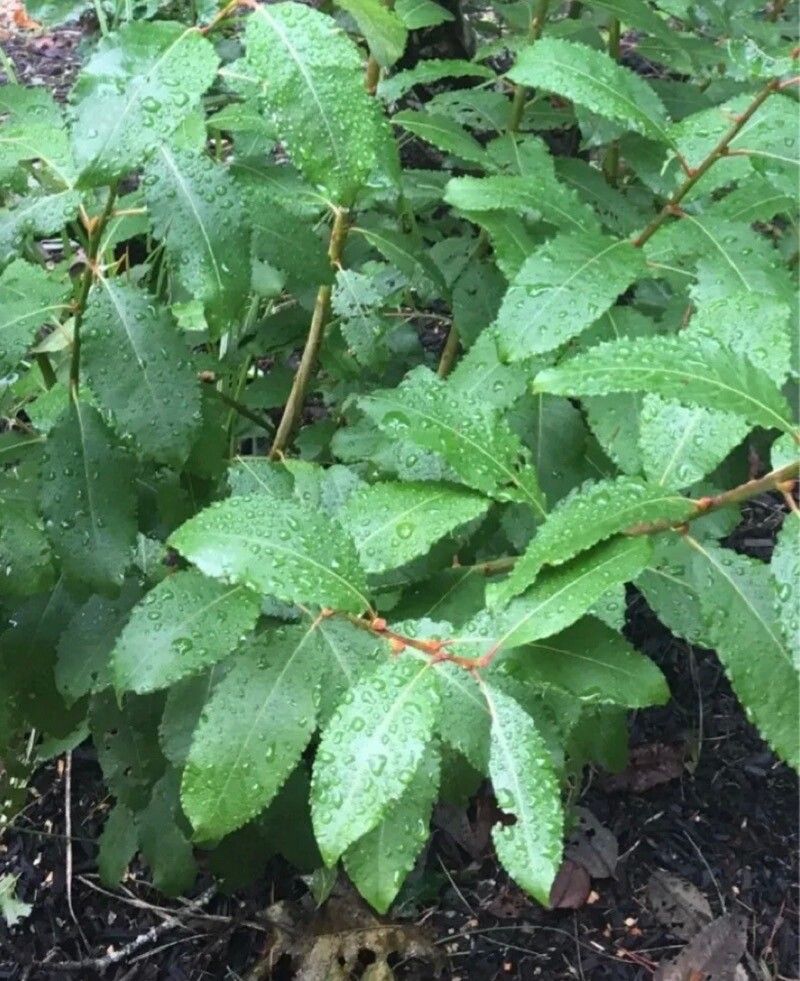
I’ve always had a soft spot for willows, and Bebb’s Willow, or Salix bebbiana, is a particularly charming one. It’s not as flashy as some of its weeping cousins, but there’s a quiet elegance to its fuzzy catkins in spring and its rugged, upright habit. Plus, its ability to thrive in just about any garden setting makes it a fantastic choice for beginners looking to dabble in propagation. Learning to coax new life from a single branch is incredibly rewarding, like unlocking a little bit of gardening magic.
The Best Time to Start
For Salix bebbiana, the sweet spot is late spring to early summer. You’re looking for stems that have started to harden a bit but are still flexible. Think of it as just past the super-soft, brand new growth. This timing gives your cuttings plenty of time to establish roots before the heat of summer or the chill of autumn really sets in.
Supplies You’ll Need
Gathering your supplies beforehand makes the whole process much smoother. Here’s what I typically have on hand:
- Sharp pruning shears or a clean knife: For making nice, clean cuts.
- Rooting hormone (optional but recommended): Helps speed things along. I like one with a powdered or gel form.
- A gritty potting mix: Something that drains really well is key for willows. A mix of perlite, vermiculite, and a bit of peat moss or coconut coir works beautifully.
- Small pots or trays: Clean ones are a must to prevent disease.
- A watering can with a fine rose nozzle: For gentle watering.
- A plastic bag or clear dome: To create a humid environment.
- Labels: So you don’t forget what you planted where!
Propagation Methods
Stem cuttings are really the way to go for Bebb’s Willow. It’s tried and true.
Stem Cuttings:
- Select Your Parent Plant: Find a healthy Salix bebbiana shrub.
- Take Cuttings: Using your sharp shears, cut several healthy, current-year shoots that are about the thickness of a pencil. Aim for pieces that are roughly 6-8 inches long. Make the bottom cut just below a leaf node (that little bump where a leaf attaches to the stem). This is where roots tend to form.
- Prepare the Cuttings: Remove the lower leaves from the bottom half of each cutting. You want to expose a few leaf nodes without leaves. If your cuttings have very large leaves, you can snip them in half to reduce water loss through transpiration.
- Apply Rooting Hormone: Dip the cut end of each cutting into the rooting hormone, tapping off any excess.
- Insert into Medium: Moisten your gritty potting mix in your pots or trays. Make small holes with a pencil or your finger so you don’t rub off all that rooting hormone. Insert the cuttings into the holes, making sure at least two leaf nodes are buried beneath the surface. Gently firm the soil around the base of each cutting.
- Water Gently: Water the pots thoroughly but carefully.
- Create Humidity: Cover the pots with a clear plastic bag or a propagation dome. Make sure the plastic doesn’t touch the leaves too much. You can use stakes to prop it up. Place these in a bright location out of direct, hot sun.
The “Secret Sauce” (Pro Tips)
Now, for a couple of little tricks I’ve picked up over the years:
- Don’t let the leaves touch the water. If you’re doing water propagation (which can work for willows too, but I find soil more reliable for long-term success), make sure the cut end is submerged but no leaves are in the water. Submerged leaves will just rot and can infect the cutting.
- Bottom heat can be a game-changer. If you have a seedling heat mat, placing your pots on it can really encourage root development, especially if your air temperature is a little on the cooler side. It mimics the warmth of spring soil.
- Be patient with wilting. Sometimes cuttings will look a little sad and droopy for the first week or two. This is normal as they focus their energy on rooting. As long as they aren’t mushy or black, give them time!
Aftercare & Troubleshooting
Once you start seeing new leaf growth or feel a gentle tug when you lightly wiggle a cutting, that’s a good sign roots are forming!
Continue to keep the soil consistently moist but not waterlogged. As the cuttings get more established, you can gradually introduce them to more direct sunlight and eventually remove the humidity dome. When they have a good root system and are showing vigorous growth, you can transplant them into individual pots or their final garden location.
The main thing to watch out for is rot. If your cuttings turn black and mushy, or if you see mold on the soil, it’s usually a sign of too much moisture and not enough air circulation. Discard any affected cuttings and ensure your potting mix is very well-draining for future attempts.
A Encouraging Closing
Remember, propagation is as much a journey as it is a destination. Not every cutting will make it, and that’s perfectly alright. Celebrate the successes, learn from the challenges, and most importantly, enjoy the process of coaxing new life from your favorite Bebb’s Willow. Happy gardening!
Resource:
https://identify.plantnet.org/k-world-flora/species/Salix%20bebbiana%20Sarg./data