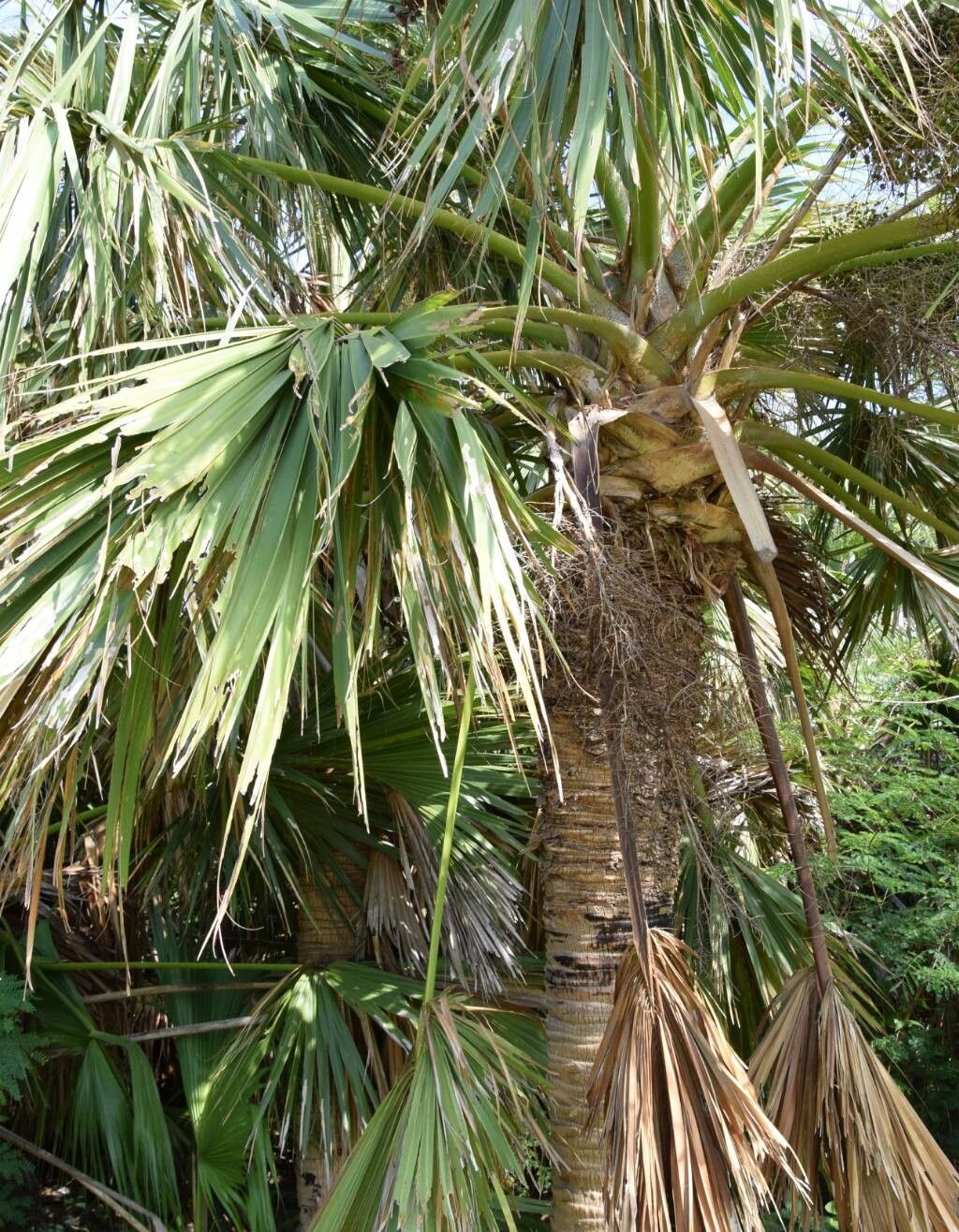
Oh, hello there! Grab a mug, and let’s chat about one of my favorite palms: the beautiful Sabal maritima. You know, the one with those elegant, fan-shaped leaves that just scream tropical paradise? They bring such a wonderful touch of the exotic to any garden, and trust me, watching a tiny seedling unfurl its first frond is pure magic.
Now, about propagation: is it a breeze or a bit of a nail-biter? For Sabal maritima, I’d say it falls somewhere in the middle. It’s not the absolute easiest plant to get going from scratch, but with a little care and understanding, it’s incredibly rewarding. Definitely not one to shy away from if you’re looking to expand your palm collection!
The Best Time to Start
For the highest success rate with Sabal maritima, spring is your golden ticket. Think of it as the plant waking up from its winter slumber, full of energy and ready to grow. Starting my propagation efforts right after the last frost has always yielded the best results. You’re aiming for when active growth is really kicking in.
Supplies You’ll Need
Here’s what you’ll want to have on hand. Don’t worry, it’s not an overwhelming list!
- A well-draining potting mix. I like a blend of coarse sand, perlite, and a good quality peat moss. Avoid anything too heavy that holds onto water.
- Clean, sharp pruning shears or a knife. Sanitize them, please! We don’t want to introduce any nasties.
- Small pots or seed-starting trays. They should have drainage holes, naturally.
- A watering can with a fine rose or a spray bottle. Gentle watering is key.
- Optional: Rooting hormone. While not always essential for Sabal maritima, it can give cuttings a helpful boost.
- Optional: A heat mat. This is a game-changer for many propagations, and Sabal maritima appreciates a little warmth from below.
Propagation Methods
Sabal maritima is typically propagated from seed, but if you find yourself with a mature plant that’s producing offsets, that’s another avenue. Let’s dive into the seed method first, as it’s the most common.
From Seed:
- Gather Your Seeds: I usually collect seeds from my Sabal maritima palms in the fall. Look for plump, mature fruits. Clean them gently, removing any lingering pulp.
- Soaking is Key: This is a crucial step some folks skip, and then wonder why their seeds won’t germinate. Soak your seeds in warm water for 24 to 48 hours. This helps to soften the hard seed coat and kickstart germination. I change the water once or twice during this period.
- Prepare Your Pots: Fill your pots or trays with your well-draining mix. Make sure it’s moist but not soggy.
- Sowing the Seeds: Plant the soaked seeds about half an inch to an inch deep. Space them out in your tray or pot depending on your setup.
- Creating a Humid Environment: This is where things get cozy for the seeds. Cover your pots or trays with a clear plastic lid or plastic wrap. This traps in moisture and humidity, creating a mini-greenhouse.
- Finding the Right Spot: Place your setup in a warm location. Ideally, this is where a heat mat can be incredibly beneficial, providing consistent bottom warmth. Ambient room temperature is usually fine, but warmth speeds things up. Aim for consistently warm soil.
- Patience and Observation: Now, the waiting game begins. Keep the soil consistently moist (not wet!). You’ll want to check for germination regularly. This can take anywhere from a few weeks to several months. Yes, they can be slow!
From Offsets (if you’re lucky!):
If your mature Sabal maritima has produced little baby plants (offsets) at its base, you can try separating these.
- Carefully Excavate: Gently dig around the base of the mother plant, trying to expose the offset. You want to get as much of its root system as possible.
- Separate Gently: Using a clean, sharp knife or trowel, carefully prise the offset away from the parent plant. Ensure it has some roots attached. If it’s just a leafless nub, that’s okay, as long as it has a bit of root structure.
- Potting Up: Pot the offset in its own pot with your well-draining mix. Water it in well.
- Similar Conditions: Provide it with similar conditions to your seed-sown plants – warmth and consistent moisture. It might take a little time for it to establish and start growing new leaves.
The “Secret Sauce” (Pro Tips)
Over the years, I’ve picked up a few tricks that seem to make all the difference, especially with these palms.
- Don’t Drown Your Seeds: While humidity is crucial, avoid waterlogged soil at all costs. It’s the quickest way to invite fungal diseases and rot. If you see water pooling, gently tip out the excess.
- Bottom Heat is Your Friend: I mentioned it under methods, but I can’t stress this enough. A gentle bottom heat (around 70-80°F / 21-27°C) truly encourages germination and root development. It’s like giving your seeds a warm little hug.
- Stratification (for the super keen!): Sometimes, Sabal maritima seeds can be a bit stubborn. If you’ve tried the soaking method and are having no luck after a month or two, you can try cold stratification. This mimics winter conditions. After soaking, drain the seeds and mix them with a bit of damp peat moss or vermiculite in a sealed plastic bag. Pop this in the fridge for 4-6 weeks. Then, sow as usual. It sounds counterintuitive, but it often works wonders for recalcitrant seeds.
Aftercare & Troubleshooting
Once you see that first little green sprout emerge, cue the happy dance! Now, it’s all about nurturing your new baby palm.
- Gradual Acclimatization: As your seedlings grow, you’ll need to gradually remove the plastic cover. Start by lifting it for a few hours each day, then increase the duration until they’re fully exposed. This prevents shock.
- Light Needs: Once they’ve got a few true leaves, they’ll appreciate bright, indirect light. Avoid direct, scorching sun while they’re still small and tender.
- Watering: Continue to water when the top inch of soil feels dry. It’s always better to be slightly dry than too wet.
- Transplanting: When your seedlings are large enough to handle (usually a few inches tall with several leaves), you can transplant them into individual pots. Be gentle with those roots.
Common Signs of Failure:
- Rotting: This is usually a sign of overwatering or poor drainage. The stem might look mushy, or the seedling might collapse. If you see this, it’s tough, but it’s often beyond saving. Ensure your soil is very well-draining from the start.
- No Germination: This can be due to old seeds, inconsistent temperatures, or simply a lack of patience. Make sure your seeds are fresh and that your conditions are stable.
A Encouraging Closing
Growing Sabal maritima from seed or offsets is a journey. There will be moments of pure excitement and perhaps a tiny bit of head-scratching. Don’t be discouraged if not every seed sprouts or every cutting takes. Gardening is about learning and experimenting. Be patient, enjoy the process of nurturing these little palms, and before you know it, you’ll have your own beautiful Sabal maritima to admire. Happy growing!
Resource:
https://identify.plantnet.org/k-world-flora/species/Sabal%20maritima%20(Kunth)%20Burret/data