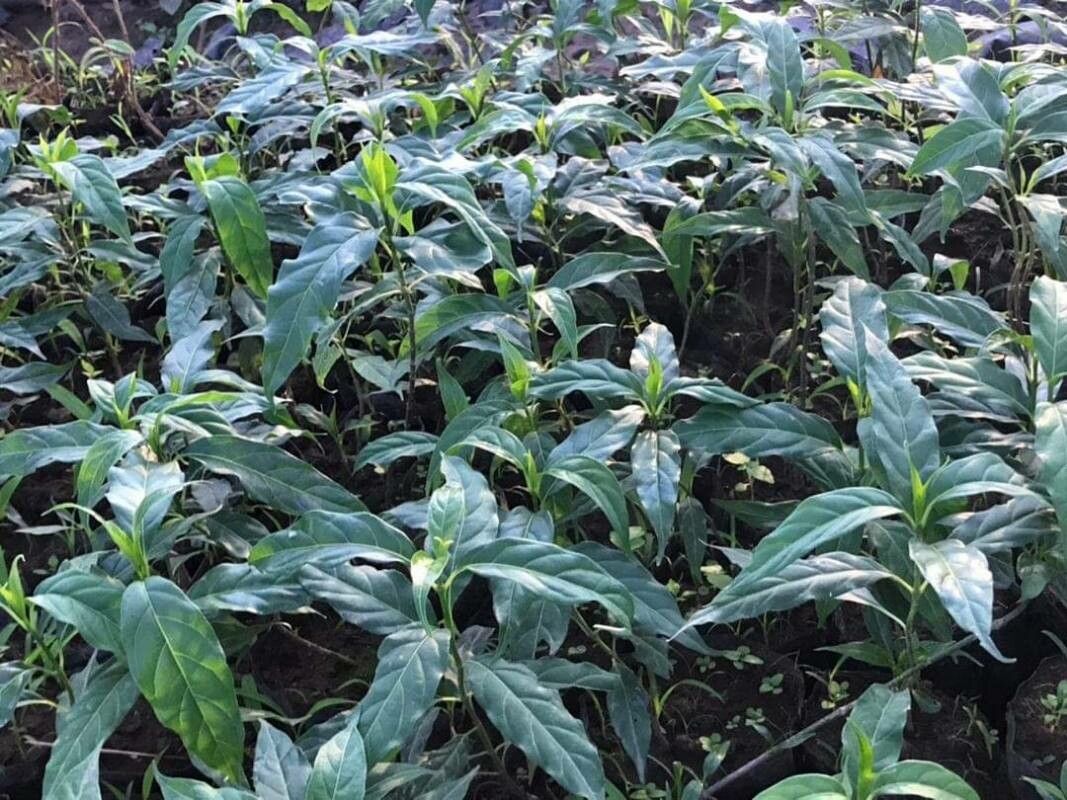
Hello there, fellow plant lovers! I’m so excited to share a little bit of my gardening passion with you today. We’re going to dive into the wonderful world of propagating Rytigynia ruwenzoriensis. This African native is such a delight with its glossy, deep green leaves and lovely, often fragrant, white flowers. Growing it from a tiny cutting or a division is incredibly satisfying, like nurturing a little piece of your garden into existence. Now, it’s not quite a “stick it in the ground and it grows” kind of plant, but with a little attention and care, you can absolutely achieve success. For a beginner, it’s a bit of a learning curve, but a rewarding one!
The Best Time to Start
To get your Rytigynia ruwenzoriensis off to a flying start, the spring and early summer are your best friends. This is when the plant is actively growing, thanks to the lengthening days and warmer temperatures. New growth is usually more vigorous and has a better chance of rooting successfully. Trying to propagate in the depths of winter, when things are slow and cool, can be a bit of a struggle.
Supplies You’ll Need
Before we get our hands dirty, let’s gather our tools. Think of this as preparing your artist’s palette!
- Sharp Pruning Shears or a Knife: Cleanliness is key here to prevent any nasty infections.
- Rooting Hormone Powder or Gel: This gives your cuttings a helpful boost.
- Well-Draining Potting Mix: A good blend of peat-based potting soil with perlite or coarse sand is ideal. You want something that doesn’t hold onto too much moisture.
- Small Pots or Trays: Clean ones, of course! Terra cotta pots are great because they breathe.
- Clear Plastic Bag or Dome: This will create a mini-greenhouse to keep humidity up.
- Water: For misting and keeping things moist.
- Optional: Heating Mat: This can really speed up root development for fussier plants.
Propagation Methods
Let’s get down to the nitty-gritty. Here are the most reliable ways to multiply your Rytigynia ruwenzoriensis.
Stem Cuttings
This is probably the most common and effective method.
- Choose Your Cuttings: Look for healthy, non-flowering stems that are about 4-6 inches long. Ideally, they should be semi-hardwood – meaning they are a bit firm but not woody. You can also take softer, new growth, but it can be a bit more prone to rot.
- Make the Cut: Using your clean, sharp shears or knife, make a clean cut just below a leaf node. A leaf node is where a leaf grows from the stem – this is where the magic of rooting happens!
- Prepare the Cutting: Gently remove the lower leaves. You want to expose the stem where roots will emerge. Leave just a few leaves at the top to help the cutting photosynthesize. If the leaves are very large, you can even cut them in half to reduce water loss.
- Apply Rooting Hormone: Dip the cut end into your rooting hormone powder or gel, tapping off any excess. Be sure to coat the nodes you exposed.
- Plant Your Cuttings: Fill your small pots with your well-draining potting mix. Make a small hole with your finger or a pencil, and gently insert the treated end of the cutting, pushing it down about an inch or so. Firm the soil gently around it.
- Water and Cover: Water thoroughly until you see it drain from the bottom. Then, cover the pot with a clear plastic bag or dome to create that humid environment. Poke a few small holes in the bag for ventilation, or lift the dome daily for a few minutes.
Water Propagation
Though I generally prefer soil propagation for Rytigynia ruwenzoriensis, you can try water for a visual check.
- Prepare the Cutting: Follow steps 1-3 from the stem cutting method.
- Place in Water: Put the cutting in a clean glass or jar filled with fresh water.
- Positioning is Key: Make sure the leaf nodes where you removed the leaves are submerged, but keep the remaining leaves completely out of the water. Leaves in the water will quickly rot.
- Change Water Regularly: Change the water every few days to keep it fresh and prevent bacterial growth.
The “Secret Sauce” (Pro Tips)
Here are a couple of things I’ve learned over the years that can make a real difference.
- Bottom Heat is Your Friend: If you can, place your pots with cuttings on a heating mat. This warmth encourages root development from below, mimicking the coziness of spring soil. It’s a game-changer for faster and more robust rooting.
- Don’t Rush the Transplant: When propagating in soil, resist the urge to tug on your cuttings to see if they have roots. Instead, look for new leaf growth. This is your most reliable sign that roots have formed and it’s ready for its own pot. Patience is truly a virtue here!
Aftercare & Troubleshooting
Once you see those tiny white roots appearing (either peeking from the drainage holes or with a gentle tug if you’re using the water method as a guide), it’s time for a little extra care.
- Acclimate Gradually: If you’ve used a plastic bag or dome, gradually introduce your new plant to drier air. Start by lifting the cover for longer periods each day over a week. If you propagated in water, carefully pot it into your well-draining mix once the roots are about an inch long.
- Keep it Moist, Not Soggy: Water your new plant when the top inch of soil feels dry. Avoid letting it sit in water, as this can lead to root rot, which is the most common sign of failure. You might see yellowing leaves or the stem turning mushy and black.
- Indirect Light: Place your new Rytigynia ruwenzoriensis in bright, indirect light. Direct sun can scorch its delicate new leaves.
Happy Growing!
Propagating plants can feel like a bit of a gardening superpower, and Rytigynia ruwenzoriensis is a fantastic plant to practice with. It might take a few tries, and that’s perfectly okay! Every gardener has their share of cuttings that don’t make it. The key is to keep experimenting, learning from each attempt, and enjoying the process. Before you know it, you’ll have a whole collection to share and admire. Happy propagating!
Resource: