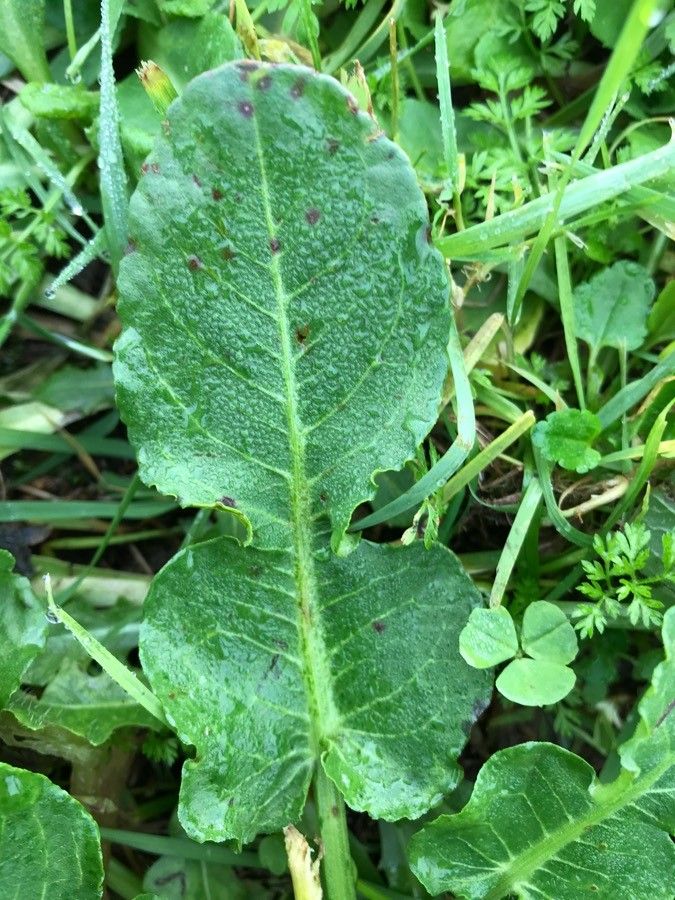
Ah, Rumex pulcher, often called Fiddle Dock or Round-Leaved Dock. Isn’t she a beauty? I just love the way those broad, often deeply lobed leaves add such a bold statement to the garden. And if you’re like me, the thought of having more of these lovely plants, perhaps to create a dedicated patch or share with fellow garden enthusiasts, is wonderfully appealing.
Propagating Rumex pulcher, or any plant for that matter, is such a rewarding experience. It’s like breathing new life into your garden, all from a little piece of your favorite plant. For Fiddle Dock, I’d say it’s wonderfully straightforward, even for those of you just starting your plant-parenting journey. You’ll find success quite attainable!
The Best Time to Start
For the highest chance of success, I always reach for my secateurs in early spring. This is when our Fiddle Dock is just waking up from its winter slumber and has plenty of energy to put into new growth. You’re essentially catching it at its most vigorous. Alternatively, you can try in late summer after the main flowering period, but spring is definitely my top recommendation.
Supplies You’ll Need
Gathering your tools beforehand makes the whole process smooth sailing. Here’s what I usually have on hand:
- Sharp Pruning Shears or a Clean Knife: For making precise cuts. A dull tool can crush stems and invite disease.
- Potting Mix: A good quality, well-draining potting mix is essential. I often use a blend of peat moss, perlite, and a bit of compost.
- Small Pots or Seed Trays: For your new baby plants to get started in. Make sure they have drainage holes!
- Rooting Hormone (Optional but helpful): Not strictly necessary for Rumex pulcher, but it can give cuttings an extra boost. I like to have some handy, just in case.
- Watering Can with a Fine Rose: Gentle watering is key.
- Labels: So you don’t forget what you’ve planted where!
Propagation Methods
Rumex pulcher is quite obliging, and I find two methods work exceptionally well: division and stem cuttings.
Method 1: Division
This is my go-to for established plants. It’s like giving your plant a little haircut and a new lease on life.
- Digging Up: In early spring, carefully dig up the entire plant with a spade, trying to disturb the roots as little as possible. You want to lift the whole clump.
- Separating: Gently shake off excess soil. You can often tease apart the root ball with your hands. If it’s a bit stubborn, use your clean knife or the back of your trowel to carefully divide the root mass into sections. Each section should have at least one or two healthy shoots and a good portion of the root system.
- Replanting: Immediately replant the divisions into their new spots in the garden or into pots filled with fresh potting mix. Water them thoroughly.
Method 2: Stem Cuttings
This method is great for increasing your numbers from a healthy, vigorous plant.
- Taking Cuttings: In early spring or late summer, select a healthy, non-flowering stem from your mature plant. Using your sharp secateurs, cut a piece about 4-6 inches long, making the cut just below a leaf node (the point where a leaf attaches to the stem).
- Preparing the Cutting: Remove the lower leaves, leaving only a few at the very top. This prevents them from rotting in the soil. If you’re using rooting hormone, dip the cut end into the powder or gel now.
- Planting: Insert the cut end of the stem into a pot filled with your well-draining potting mix. Make a small hole with a pencil or your finger first so you don’t rub off the rooting hormone. You want the lowest leaf node to be buried in the soil.
- Watering: Water gently to settle the soil around the cutting.
The “Secret Sauce” (Pro Tips)
Now for a couple of things I’ve learned over the years that really make a difference:
- For cuttings, humidity is your friend. Once planted, I often cover the pot with a clear plastic bag or place it in a mini-greenhouse. This creates a humid microclimate that encourages root development. Just make sure the leaves don’t touch the inside of the bag, as this can lead to rot. Pop it up for a few minutes each day to let fresh air in.
- If you find your divisions or cuttings are taking a while, a little bottom heat can work wonders. Placing your pots on a heated propagator mat will provide gentle warmth to the roots, encouraging them to establish faster. It really speeds things up, especially in cooler weather.
Aftercare & Troubleshooting
Once roots have formed (you’ll see new growth appearing, or you can gently tug on a cutting – there will be resistance), it’s time to give your new plant a bit of special attention.
- Watering: Water regularly but avoid waterlogging. Allow the top inch of soil to dry out slightly between waterings. In pots, this means making sure they drain freely.
- Light: Provide bright, indirect light. Direct, intense sun can scorch delicate new growth.
- Troubleshooting: The most common issue you might encounter is rot, which usually happens due to overwatering or poor drainage. If you see fuzzy grey or brown mold, or if your cuttings become limp and mushy, it’s a sign that things are too wet. In this case, you might need to discard the affected plant and start again with drier soil and better ventilation. Another sign of unhappiness is wilting, which can be due to not enough water, or too much direct sun. Assess your conditions.
A Encouraging Closing
Remember, gardening is a journey, and propagation is a delightful part of that. Be patient with your new Rumex pulcher babies. Some will zoom ahead, while others might take their sweet time. The joy is in the process, in nurturing life from a small piece of your beloved plant. So go ahead, get your hands dirty, and enjoy the magic!
Resource:
https://identify.plantnet.org/k-world-flora/species/Rumex%20pulcher%20L./data