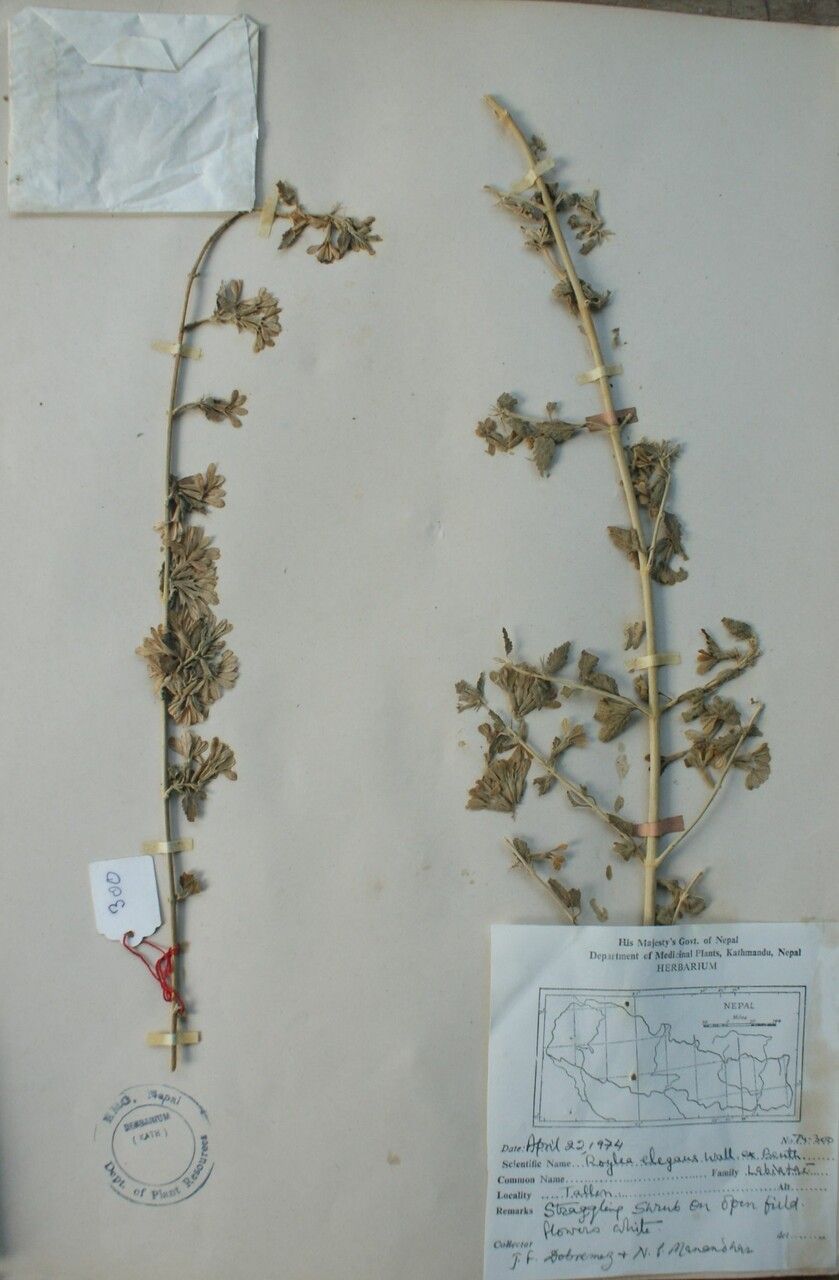
Hello fellow garden enthusiasts! Today, I want to shine a spotlight on a truly delightful plant that deserves more attention: Roylea cinerea. You might know it as the “Blue Sage” or “Grey Sage” – and for good reason! Its velvety grey-green leaves and beautiful, often violet-blue flowers create a stunning visual and aromatic appeal in any garden. Plus, the scent is simply divine.
Propagating Roylea cinerea is a wonderfully rewarding endeavor. You get to multiply those lovely plants for free, fill in gaps in your garden, or even share them with like-minded friends. Now, if you’re wondering if this is a beginner-friendly plant to propagate, I’d say it’s generally moderately easy. With a little attention to detail and the right timing, you’ll be well on your way to success.
The Best Time to Start
For the highest success rate with propagating Roylea cinerea, I always aim for late spring to early summer. This is when the plant is actively growing and has plenty of energy to put into developing new roots. You’re looking for stems that are semi-hardwood – meaning they’re woody at the base but still have some flexibility at the tip. Avoid very soft, brand-new growth or old, woody stems.
Supplies You’ll Need
Gathering your tools beforehand makes the whole process smoother. Here’s what I always have on hand:
- Sharp pruning shears or a clean knife: For taking clean cuttings without crushing the stems.
- Rooting hormone (optional but recommended): A powder or gel that encourages root development.
- A well-draining potting mix: I usually mix equal parts peat moss or coco coir, perlite, and coarse sand. This ensures good aeration and prevents waterlogging.
- Small pots or seed trays: Clean pots are essential to prevent disease.
- A plastic bag or propagation dome: To create a humid environment around your cuttings.
- A watering can with a fine rose: For gentle watering.
- Labels and a permanent marker: So you don’t forget what you’ve planted!
Propagation Methods
I’ve found that stem cuttings are the most reliable and straightforward method for Roylea cinerea.
- Take Cuttings: Using your clean pruning shears, select healthy, semi-hardwood stems. Cut stems that are about 4-6 inches long. Make your cut just below a leaf node (where a leaf attaches to the stem). Remove the lower leaves, leaving just a couple at the very top.
- Prepare Cuttings: If you’re using rooting hormone, dip the cut end of each stem into the hormone, tapping off any excess.
- Plant Cuttings: Fill your small pots with your prepared potting mix. Make a hole in the center of the mix with your finger or a pencil. Insert the cut end of the stem into the hole, ensuring it touches the mix. Gently firm the mix around the stem.
- Water and Cover: Water the soil thoroughly but gently, ensuring it’s moist but not soggy. Cover the pot loosely with a plastic bag or place it under a propagation dome. This traps humidity, which is crucial for preventing the cuttings from drying out before they have roots.
Some gardeners also have success with water propagation, but I find it’s not quite as consistent for Roylea cinerea. If you choose this route, ensure only the stem is submerged and none of the leaves touch the water, as this can lead to rot.
The “Secret Sauce” (Pro Tips)
Here are a couple of things I’ve learned over the years that really make a difference:
- Think “Bottom Heat”: If your home is a bit on the cool side, consider placing your pots on a heated propagator mat. This gentle warmth from below encourages root initiation significantly. It’s a game-changer, especially if you’re propagating outside of the peak summer growing season.
- Don’t Be Afraid of a Trim: After you’ve taken your cuttings, you can actually trim the top leaves in half. This reduces the amount of water the cutting loses through transpiration, giving it a better chance to establish roots. It sounds counterintuitive, but it works wonders!
Aftercare & Troubleshooting
Once your cuttings have been planted, place them in a bright, indirect light location. Avoid direct sun, which can scorch delicate new growth. Keep the potting mix consistently moist but never waterlogged.
You’ll know your cuttings have rooted when you see new leaf growth or gently tug on them and feel resistance. This usually takes anywhere from 3-8 weeks, depending on the conditions.
The most common sign of failure is rot. If your cuttings turn black and mushy, it’s usually a sign of too much moisture and poor air circulation. Other signs include wilting and yellowing leaves, which can also indicate too much or too little water, or insufficient light. Don’t be discouraged if you don’t have 100% success; it’s all part of the learning process!
A Little Patience Goes a Long Way
Propagating plants is such a joy, a way to connect with nature and witness life begin. Be patient with your Roylea cinerea cuttings. Give them time, keep them comfortable, and celebrate every tiny sign of progress. Soon, you’ll have a whole new generation of these beautiful plants to enjoy. Happy propagating!
Resource:
https://identify.plantnet.org/k-world-flora/species/Roylea%20cinerea%20(D.Don)%20Baill./data