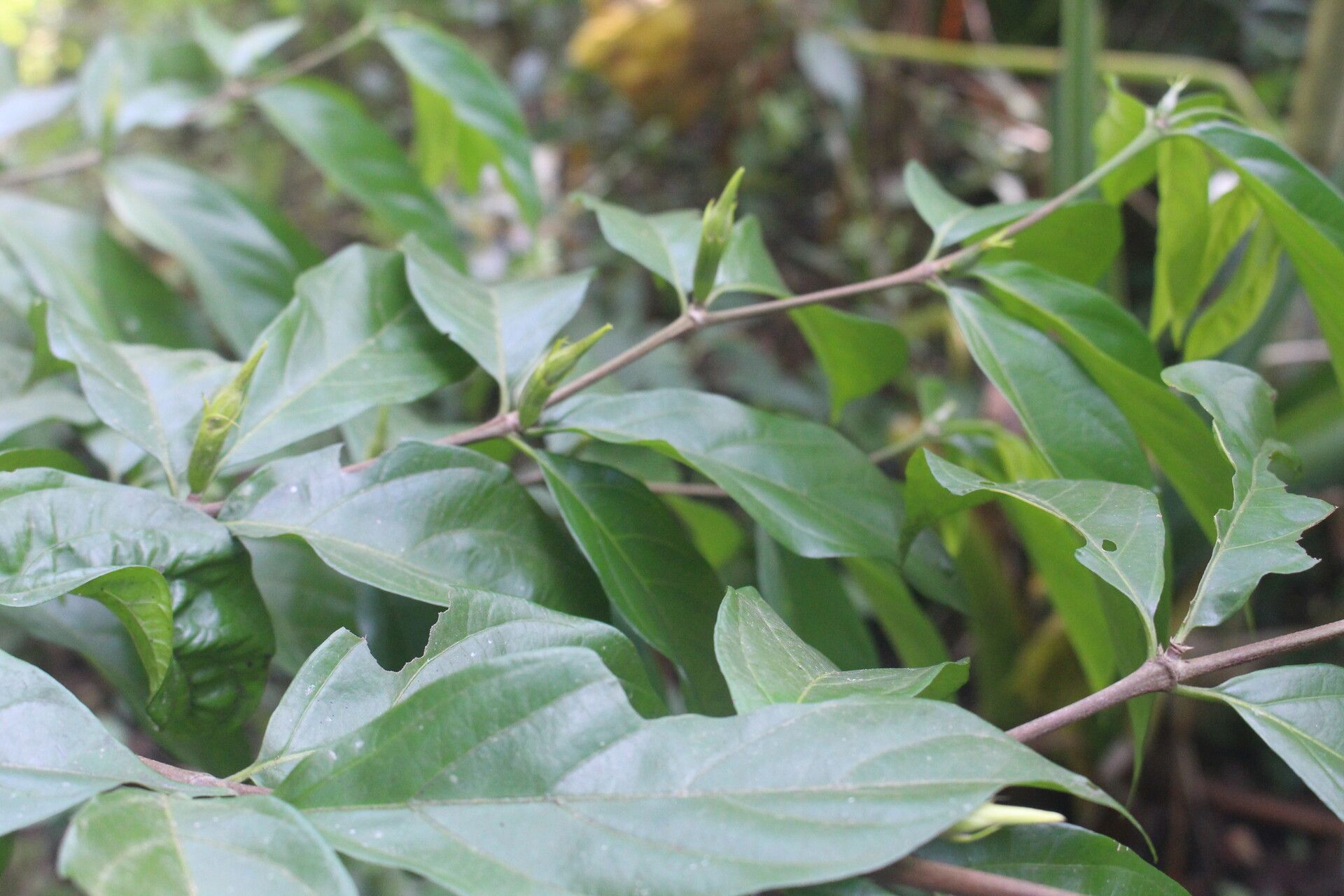
Hello fellow garden enthusiasts! Today, we’re diving into the delightful world of propagating Rothmannia urcelliformis, often called the “Natal Bottle Brush.” If you’ve ever admired its graceful, bell-shaped blooms and intoxicating fragrance, you’re in for a treat. Growing new plants from your existing ones is incredibly rewarding, and while Rothmannia urcelliformis isn’t the absolute easiest plant for a complete beginner, it’s definitely achievable with a little know-how. Let’s get our hands dirty!
The Best Time to Start
When it comes to coaxing new life from your Rothmannia, spring and early summer are your golden tickets. This is when the plant is actively growing and has plenty of energy to channel into root development. Look for stems that have flowered and are now beginning to put on new growth – these are often the best candidates for cuttings. Avoid trying to propagate during a dormancy period; you’ll have far less luck.
Supplies You’ll Need
Here’s what you’ll want to have on hand before you begin:
- Sharp pruning shears or a clean knife: For making nice, clean cuts.
- Rooting hormone (optional but recommended): Encourages faster and stronger root development.
- Well-draining potting mix: A blend of perlite, peat moss, and a bit of compost works wonderfully. You can also buy specialized seed-starting or cutting mixes.
- Small pots or trays: With drainage holes, of course!
- Plastic bags or a propagator lid: To create a humid environment.
- Spray bottle: For misting.
- Water: For hydration.
Propagation Methods: Stem Cuttings
This is my go-to method for Rothmannia urcelliformis. It’s reliable and you can get multiple plants from a single parent.
- Select Your Cuttings: Choose healthy, non-flowering shoots that are about 4-6 inches long. Look for stems that are semi-hardwood – they should be flexible but not floppy. They’ll usually have a slightly woody base and softer, greener tips.
- Make the Cut: Using your sharp shears or knife, make a clean cut just below a leaf node (where a leaf attaches to the stem).
- Prepare the Cutting: Gently remove the lower leaves from the cutting, leaving just two or three at the top. This prevents them from rotting when buried in the soil and reduces water loss.
- Apply Rooting Hormone (If Using): Dip the cut end of the stem into your rooting hormone powder, tapping off any excess.
- Plant Your Cuttings: Fill your small pots with the well-draining potting mix. Make a hole in the center with a pencil or your finger. Insert the cut end of the Rothmannia cutting into the hole, ensuring the removed leaves won’t be buried. Gently firm the soil around the cutting.
- Create Humidity: Water the soil gently until it’s moist but not waterlogged. Then, cover the pot with a plastic bag or place it under a propagator lid. Make sure the leaves don’t touch the sides of the bag; if they do, prop the bag up with a small stake.
- Find a Warm Spot: Place the pots in a bright location that receives indirect sunlight. Avoid harsh, direct sun which can scorch the leaves and overheat the cuttings.
The “Secret Sauce” (Pro Tips)
Now, let’s talk about a few things that make all the difference:
- Bottom Heat is Your Friend: If you have a heated propagator or can place your pots on a heat mat, this is a game-changer. Consistent warmth from below encourages root formation much faster than just ambient room temperature.
- Cleanliness is Key: Before you start, make sure all your tools and pots are sparkling clean. This drastically reduces the risk of fungal diseases, which can quickly devastate delicate cuttings.
- Don’t Rush the Reveal: Once you’ve potted your cuttings, resist the urge to constantly lift the lid or bag to check for roots. Keep the environment humid and let them be. You’ll know they’re rooting when you see new leaf growth appearing.
Aftercare & Troubleshooting
Once you start to see signs of new growth, it’s a good indicator that roots are forming. You can gently tug on a cutting – if there’s resistance, you’ve got roots!
- Gradual Acclimation: Once roots are established, slowly start to acclimate your new Rothmannia to normal room humidity. Gradually open the propagator or poke a few holes in the plastic bag over a week or two.
- First Potting Up: When the new plants are large enough to handle and have a good root system, carefully transplant them into slightly larger pots with fresh potting mix.
- Watch for Rot: The most common problem is rot, which usually happens from overwatering or poor drainage. If your cuttings turn black and mushy, or if the soil stays soggy for too long, that’s a sign of trouble. Ensure excellent drainage and only water when the top inch of soil feels dry. If you see rot, it’s often best to discard the affected cutting and start fresh, being more careful with watering.
Propagating plants is a journey, and experimenting is part of the fun. Be patient with your Rothmannia urcelliformis; sometimes it takes a little longer than you expect. But when those first tiny roots appear, followed by new leaves unfurling, you’ll feel an immense sense of satisfaction. Happy propagating!
Resource: