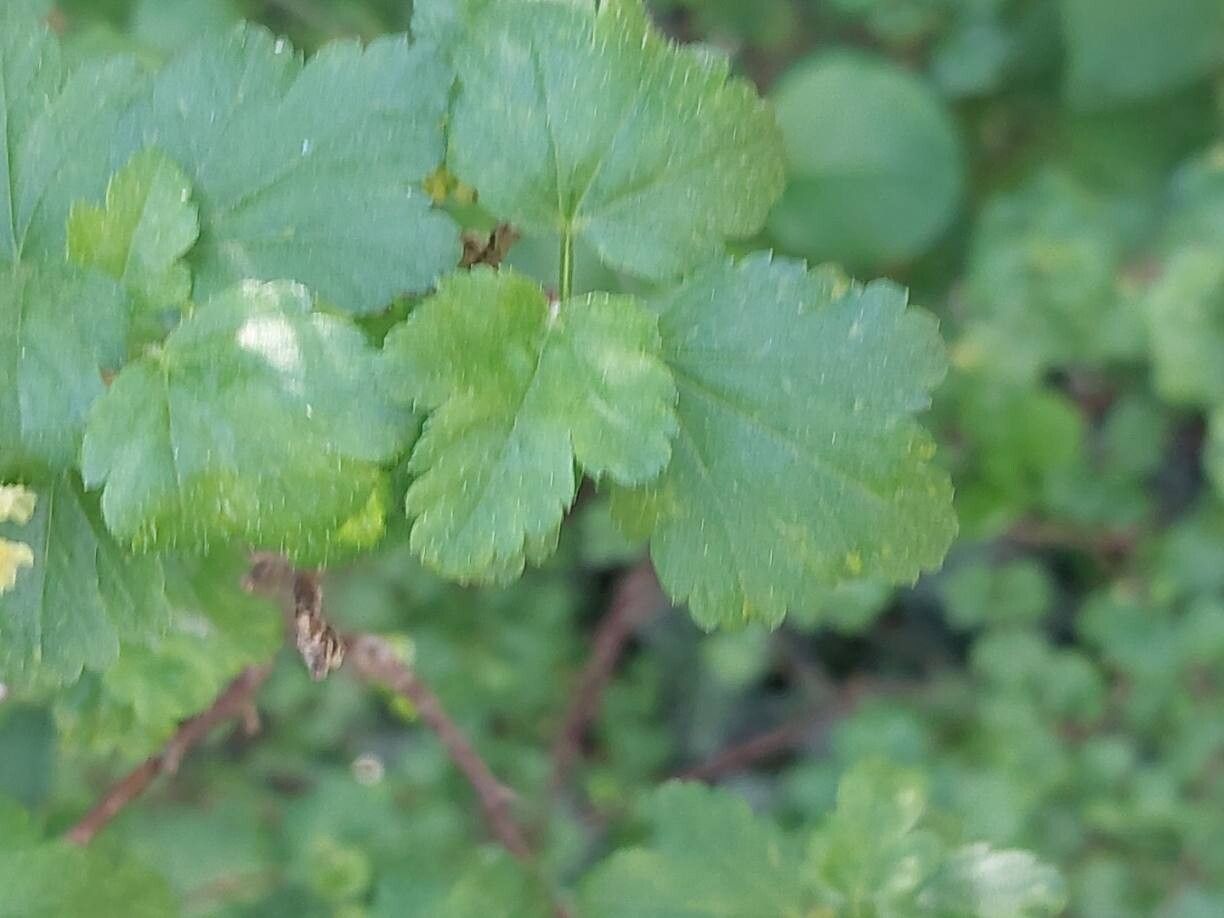
Well hello there, fellow plant lover! It’s so good to have you join me today. We’re going to chat about a truly delightful subject: Ribes luridum. If you haven’t met this beauty yet, you’re in for a treat. I call it the subtle charmer of the shrub world. Its delicate flowers, often a soft pink or white, give way to intriguing, sometimes edible, berries. There’s something so satisfying about coaxing a new plant into existence from a parent you already cherish. It’s a way to share the love, isn’t it? Now, for the burning question: is it easy for beginners? I’d say it’s moderately easy. A little patience goes a long way with Ribes, but the rewards are absolutely worth it.
The Best Time to Start
Timing is everything, and for Ribes luridum, the sweet spot is usually late spring or early summer. We’re looking for semi-hardwood cuttings. That means the stems are no longer totally soft and floppy from new growth, but they haven’t become completely woody and rigid yet. Think of a pencil – that’s about the ideal stage. You can often tell because the stem will snap cleanly rather than bend. This gives us the best balance of flexibility and established structure for rooting.
Supplies You’ll Need
Before we get our hands dirty, let’s gather our toolkit. Having everything ready makes the process so much smoother.
- Sharp pruners or secateurs: Clean cuts are vital for healthy propagation.
- Rooting hormone: This isn’t strictly essential, but it can give your cuttings a significant boost. I prefer a powder form.
- Small pots or trays: Clean pots are a must to avoid introducing any diseases.
- Well-draining potting mix: A good blend of peat moss or coco coir, perlite, and a bit of compost works wonders. You want it to hold moisture but drain freely.
- A watering can or spray bottle: Gentle watering is key.
- A clear plastic bag or propagation dome: To create a mini greenhouse effect.
- Small labels or plant tags: To keep track of your creations!
Propagation Methods
We’ll focus on the most reliable method for Ribes luridum: stem cuttings. It’s straightforward and very effective.
- Take Your Cuttings: On a nice, mild day (avoiding extreme heat or rain), select healthy, non-flowering stems from your mature Ribes luridum. Using your clean pruners, cut lengths of about 4-6 inches. Make the cut just below a leaf node (where a leaf attaches to the stem). This is where root development is most likely to occur.
- Prepare the Cuttings: Gently remove the leaves from the bottom two-thirds of each cutting. You want to expose those leaf nodes. If there are any small flower buds, pinch them off. We want all the plant’s energy to go into root formation, not flowering.
- Apply Rooting Hormone: Dip the cut end of each stem into your chosen rooting hormone, tapping off any excess.
- Pot Up: Fill your small pots with your prepared potting mix. Make a hole in the center of the soil with a pencil or your finger. Carefully insert the cut end of your Ribes luridum cutting into the hole, so that the bottom two nodes are buried under the soil. Gently firm the soil around the cutting.
- Water and Cover: Water the soil thoroughly but gently so it’s moist, not waterlogged. Now, the crucial step: cover the pot with a clear plastic bag or a propagation dome to maintain high humidity. Ensure the plastic doesn’t touch the leaves of the cutting itself—you can use stakes if needed.
The “Secret Sauce” (Pro Tips)
Here are a few little tricks I’ve learned over the years that often make a big difference.
- Bottom Heat is Your Friend: If you have a seedling heat mat, place your pots on top of it. A consistent, gentle warmth from below encourages roots to form much faster and more reliably than relying on ambient room temperature alone.
- The “Wipe Test”: When you check on your cuttings periodically, you’ll see condensation build up inside the bag. If the condensation is so heavy that water is dripping down the sides of the pot and onto the soil constantly, you might be risking root rot. It’s okay to briefly lift the bag to let some air circulate every few days. You want a humid environment, not a soggy one.
- Don’t Disturb Too Soon: Resist the urge to pull on your cuttings to see if they have roots. Wait until you see new leaf growth, which is a strong indicator that roots are forming. Roots can take anywhere from 4 weeks to several months to develop. Patience is key!
Aftercare & Troubleshooting
Once you start seeing new growth on your Ribes luridum cuttings, congratulations! That’s your signal that roots have likely formed. Be patient, though. Gradually acclimatize your new plants to lower humidity by slowly opening the plastic bag or dome over a week or so. Continue to keep the soil consistently moist but not sodden.
The most common culprit for failure is root rot. If your cuttings turn black and mushy, or if they simply refuse to show any signs of life after a long period, it’s often a sign that conditions were too wet, or perhaps the cuttings weren’t quite right. Sometimes, a cutting just doesn’t make it, and that’s part of gardening. Don’t be discouraged! Just clear out the failed cutting and try again. Observe your soil moisture closely – it’s the most common mistake I see.
A Encouraging Closing
Bringing a new Ribes luridum into your garden from a cutting is such a profound and rewarding experience. It’s a testament to the resilience and beauty of nature, and your own growing green thumb. Give yourself grace, celebrate each tiny success, and don’t be afraid to experiment. Enjoy the journey, and happy propagating!
Resource:
https://identify.plantnet.org/k-world-flora/species/Ribes%20luridum%20Hook.f.%20&%20Thomson/data