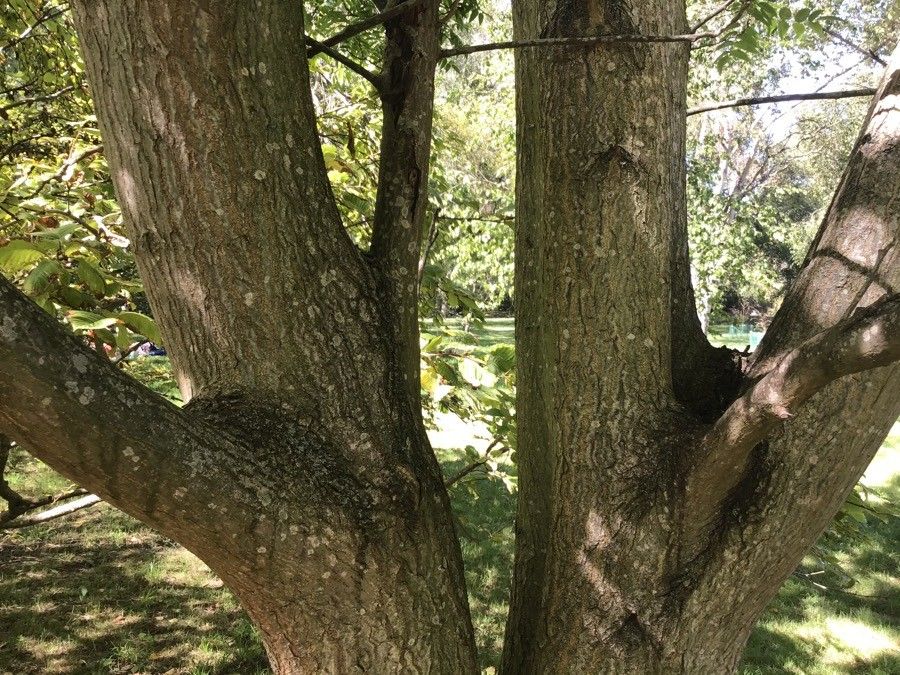
Oh, hello there, fellow plant enthusiast! I’m so glad you’ve found your way to my little corner of the internet. Today, we’re diving into the wonderful world of Rhus potaninii, also known as the Chinese Sumac. If you’re anything like me, you adore its graceful, fern-like foliage and the way it adds such a lovely texture to the garden, especially in the fall when its colors truly sing. Propagating your own Rhus potaninii is incredibly rewarding. It’s a fantastic way to share this beauty with friends or simply expand your own collection, and I’m happy to say it’s quite forgiving, even for those new to the gardening game.
The Best Time to Start
Timing is definitely key when you’re looking to get the best results. For Rhus potaninii, the sweet spot for propagation is late spring to early summer. This is when the plant is actively growing, and those new shoots are full of vigor. You’re essentially taking cuttings when the plant is at its peak energy, giving them the best chance to establish themselves.
Supplies You’ll Need
Gathering your supplies beforehand makes the whole process smoother. Here’s what I typically have on hand:
- Sharp Pruning Shears or a Craft Knife: Clean cuts are crucial to prevent disease.
- Rooting Hormone: While not strictly essential for all Rhus, it can give your cuttings a helpful boost. Look for a powder or gel.
- Well-Draining Potting Mix: A good blend is about 50% peat moss or coco coir and 50% perlite or coarse sand. This prevents waterlogged roots.
- Small Pots or Trays: Clean, small containers with drainage holes are ideal.
- Clear Plastic Bags or a Propagation Dome: This helps create a humid environment.
- Watering Can or Spray Bottle: For gentle watering.
- Labels and a Pen: To keep track of your cuttings!
Propagation Methods
Let’s get our hands dirty! The most reliable method for Rhus potaninii is through stem cuttings.
Stem Cuttings:
- Select Your Cuttings: Head out to your plant and look for healthy, non-flowering softwood or semi-hardwood stems. You want stems that are flexible but not completely floppy. Aim for pieces about 6 to 8 inches long.
- Make the Cut: Using your sharp, clean shears or knife, make a cut just below a leaf node (where a leaf attaches to the stem). This is where the magic happens, as roots are likely to form.
- Prepare the Cuttings: Gently remove the leaves from the bottom half of each cutting. This prevents them from rotting in the soil. You can leave one or two sets of leaves at the top to help with photosynthesis. If the remaining leaves are very large, I sometimes cut them in half to reduce water loss.
- Apply Rooting Hormone (Optional but Recommended): Dip the cut end of each stem into your rooting hormone, tapping off any excess.
- Plant the Cuttings: Fill your pots or trays with your prepared well-draining potting mix. Make a small hole with your finger or a pencil. Insert the cut end of the stem, ensuring the leaf nodes you stripped are below the soil surface.
- Water Gently: Water the soil thoroughly but gently until water drains from the bottom.
- Create Humidity: Cover the pots with a clear plastic bag or a propagation dome, making sure the bag doesn’t touch the leaves too much. You can use stakes to prop it up. Place them in a bright spot, but out of direct sunlight.
The “Secret Sauce” (Pro Tips)
Here are a few tricks I’ve learned over the years that can really make a difference:
- Bottom Heat is Your Friend: If you can, place your pots on a propagation mat or a warm windowsill. A consistent, gentle warmth from below mimics spring conditions and significantly speeds up root formation. It’s like giving your cuttings a cozy warm bed to sleep in while they grow roots!
- Don’t Let Those Leaves Drip! When you water or mist, make sure no leaves are submerged in water inside the humidity dome or bag. Any foliage sitting in stagnant water is a fast track to rot.
- Patience is a Virtue (and a Guarantee): Rhus potaninii can be a tad slow to show signs of rooting. Don’t be tempted to dig them up too soon to check! Give them at least 4-6 weeks before you gently tug on a cutting. If it resists, roots are forming.
Aftercare & Troubleshooting
Once you see new leaf growth, that’s a fantastic sign that roots have developed!
- Acclimatize: Gradually introduce your new plants to less humid conditions by opening the plastic bag or dome for increasing periods over a week.
- Watering: Once rooted, water when the top inch of soil feels dry. They still prefer good drainage, so don’t let them sit in water.
- Transplanting: When the new plants are a good size and have a healthy root system, you can pot them up into slightly larger individual pots with fresh potting mix.
The most common problem you might encounter is rot. This usually happens from overwatering or poor drainage, creating a soggy environment. If you see mushy, discolored stems, or the cutting just won’t perk up, it’s often a sign of rot. Unfortunately, you usually can’t save a rotten cutting, but don’t despair! You can always try again.
A Encouraging Closing
Propagating plants is a journey, and Rhus potaninii is a lovely one to embark on. Be patient with your cuttings, celebrate every little sign of progress, and most importantly, enjoy the process of nurturing new life. Happy gardening, my friend! You’ve got this!
Resource:
https://identify.plantnet.org/k-world-flora/species/Rhus%20potaninii%20Maxim./data