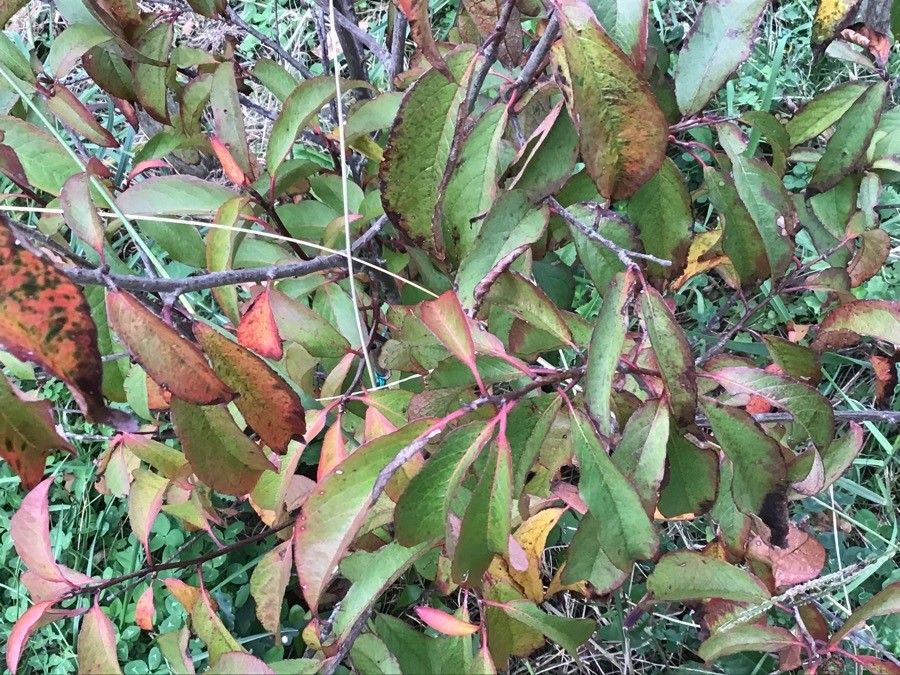
Oh, hello there! Come on in, grab a mug. Let’s chat about one of my absolute favorite trees, the Rehderodendron macrocarpum. This beauty, with its lovely cascading white flowers and often striking bark, is a real showstopper. And you know what’s even more rewarding than admiring one? Growing your own! I find propagating these beauties incredibly humbling and, dare I say, a little bit magical. It’s not a plant I’d necessarily hand to a total beginner for their first go, but with a little guidance, it’s absolutely achievable.
The Best Time to Start
For Rehderodendron macrocarpum, I’ve found the sweetest spot is late spring to early summer. This is when the plant is actively growing, and the new shoots are nice and pliable. Think of it as grabbing those energetic, youthful branches. Trying to propagate when the plant is dormant or stressed just doesn’t yield the same fantastic results. We want to tap into that vibrant growth energy!
Supplies You’ll Need
Alright, let’s get our toolkit ready. Having everything on hand makes the whole process feel much smoother:
- Sharp pruning shears or a clean knife: For making clean cuts. Sterilize them first!
- Rooting hormone: A powder or gel specifically for woody plants will give you a real boost.
- Well-draining potting mix: I like to use a blend of perlite and peat moss, or a specialized seed-starting mix. About a 50/50 ratio works wonders.
- Small pots or trays: With drainage holes, of course!
- Plastic bags or a propagation dome: To create a humid environment.
- Watering can with a fine rose: For gently watering your cuttings.
- Labeling stakes: So you don’t forget what you’ve planted where!
Propagation Methods
While you can try a few things, I’ve had the most consistent success with stem cuttings for Rehderodendron macrocarpum. Let’s dive in:
- Select Your Cuttings: Look for healthy, semi-hardwood cuttings. These are stems that have started to firm up but are still a bit flexible. They’re usually found on the current year’s growth. Aim for cuttings that are about 4-6 inches long.
- Make the Cut: Using your sterilized shears, take cuttings from the tip of healthy branches. Make a clean cut just below a leaf node (where a leaf attaches to the stem). This is where the magic happens for root formation.
- Prepare the Cuttings: Gently remove the leaves from the bottom half of your cutting. You can leave one or two small leaves at the top to help with photosynthesis, but keep them small to reduce water loss. If the leaves are large, I often carefully snip them in half.
- Apply Rooting Hormone: Dip the cut end of the stem into your rooting hormone, tapping off any excess. Give that little cut end a good coating; it’s like giving it a power-up.
- Plant Your Cuttings: Fill your pots with your well-draining mix. Make a small hole in the center with your finger or a pencil. Gently insert the cutting into the hole, ensuring the bottom leaf nodes are buried. Firm the soil gently around the stem.
- Create a Humid Environment: Water gently. Then, either cover the pot with a clear plastic bag (making sure the leaves don’t touch the plastic!) or place the pots under a propagation dome. This high humidity is crucial.
The “Secret Sauce” (Pro Tips)
Over the years, I’ve learned a few tricks that seem to make a real difference with trickier woody plants like this:
- Bottom Heat is Your Best Friend: Rehderodendron cuttings absolutely adore a bit of warmth from below. Pop your pots onto a heating mat designed for seedlings. It encourages root development much faster than relying solely on ambient temperature. You want the soil to be consistently warm, not hot.
- Don’t Overwater, But Don’t Let Them Dry Out: This is a delicate balance. The soil should always feel gently moist, never soggy and never bone dry. I usually check by poking my finger about an inch into the soil. If it feels dry, it’s time for a light watering.
- Air Exchange is Key: While we want humidity, totally stagnant air can encourage fungal issues. Every couple of days, lift the plastic bag or propagation dome for a few minutes to let some fresh air in. This helps prevent rot and other problems.
Aftercare & Troubleshooting
Once you start seeing tiny roots emerging from the drainage holes or new growth on your cutting, it’s time to celebrate! Gradually acclimate your new plant to lower humidity by opening the plastic bag or dome a little more each day. Continue to keep the soil consistently moist.
The most common culprit for failure is rot, which usually happens due to overwatering or poor drainage. You’ll see the cutting turn black and mushy. If this happens, sadly, it’s time to start again. Another sign of trouble can be wilted or yellowing leaves even though the stem feels firm. This could indicate it’s not taking up water, possibly due to a lack of root development. Don’t give up! Just try again with fresh cuttings and perhaps adjust your watering or humidity.
A Bit More Patience, A Lot More Joy
Growing plants from cuttings is a journey, not a race. There will be times when things don’t quite work out, and that’s perfectly okay. Each attempt teaches you something new. Just keep at it, be patient with your little green charges, and enjoy the incredible satisfaction of watching a brand-new Rehderodendron macrocarpum begin its life under your care. Happy propagating, my friends!
Resource:
https://identify.plantnet.org/k-world-flora/species/Rehderodendron%20macrocarpum%20Hu/data