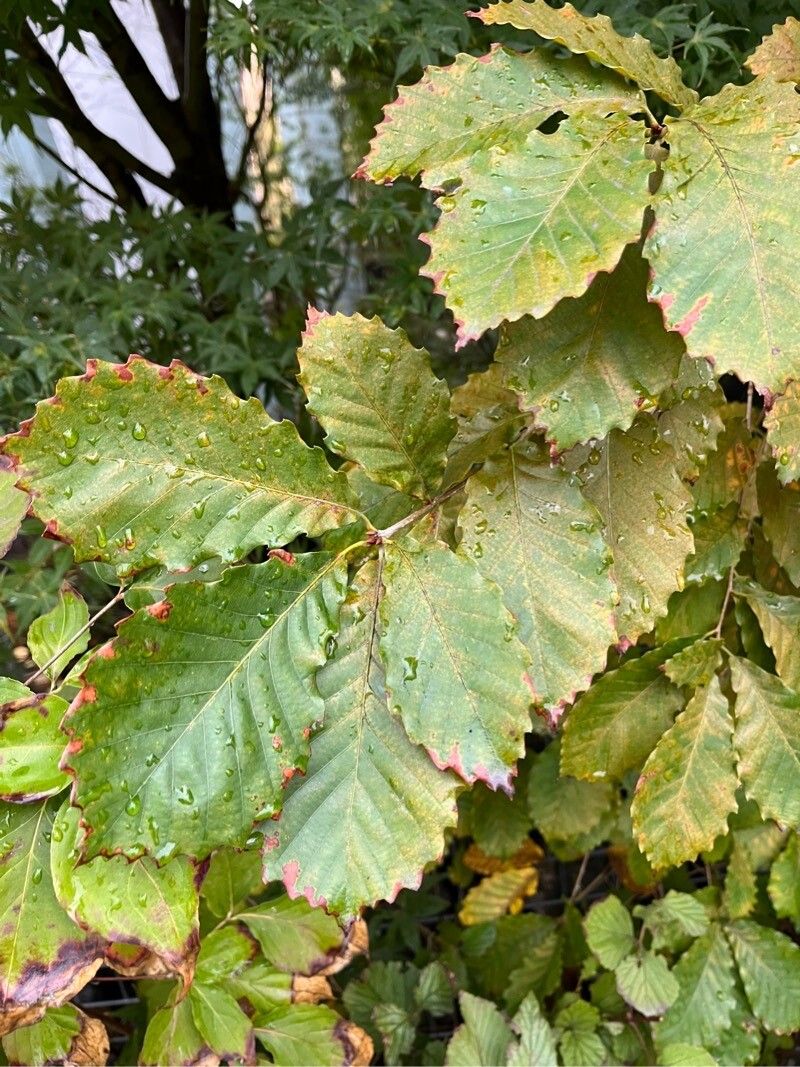
Oh, hello there! Come on in and grab a cup of coffee. Today, we’re diving into the wonderful world of propagating Quercus aliena, or the Korean White Oak. If you’ve ever admired this tree’s handsome form and distinctive bark, you know why it’s a rewarding plant to have in the garden. And guess what? Learning to grow your own from cuttings is a deeply satisfying experience. Now, for those of you just starting out, I’ll be honest – propagating oaks can be a bit of a patience game. They aren’t the quickest to root, but with a little know-how, you’ll be well on your way.
The Best Time to Start
For Quercus aliena, I’ve found the late spring to early summer is your golden window. This is when the plant is actively growing and has plenty of energy. You’ll be looking for healthy, semi-hardwood cuttings. These are stems that are no longer floppy and green but haven’t completely hardened off into woody branches yet. Think of them as being firm but still a bit flexible.
Supplies You’ll Need
Gathering your supplies beforehand makes the whole process so much smoother. Here’s what I typically have on hand:
- Sharp pruning shears or a clean knife: For making precise cuts. Sterilize them with rubbing alcohol between cuts!
- Rooting hormone: A horticultural product that encourages root development. I usually go for a powdered or gel form.
- Well-draining potting mix: A good blend of equal parts peat moss, perlite, and coarse sand works wonders. You want it to be light and airy.
- Small pots or seed trays: Clean ones, of course. Small ones are perfect for cuttings.
- A plastic bag or propagation dome: To create a humid environment.
- Watering can with a fine rose attachment: For gentle watering.
- Gloves (optional): To keep your hands clean.
Propagation Methods: Stem Cuttings
This is where the magic happens! Stem cuttings are my go-to for Quercus aliena.
- Take Your Cuttings: On a bright morning, select healthy stems that are about 6-8 inches long. Make a clean cut just below a leaf node (where a leaf attaches to the stem). Remove the lower leaves, leaving just a few at the top. If the remaining leaves are large, I’ll often cut them in half horizontally to reduce water loss.
- Prepare the Cuttings: Dip the cut end of each stem into your rooting hormone, tapping off any excess. This gives them a little boost.
- Plant the Cuttings: Fill your pots with the well-draining potting mix. Make a small hole in the center with your finger or a pencil. Insert the prepared cutting into the hole, ensuring the leaf nodes are below the soil surface. Gently firm the soil around the stem.
- Create Humidity: Water the soil thoroughly until it drains from the bottom. Then, place the pot inside a clear plastic bag or cover it with a propagation dome. This traps moisture, creating that essential humid microclimate. Ensure the leaves don’t touch the plastic bag.
- Provide Light and Warmth: Place the pot in a location that receives bright, indirect light. Avoid direct sunlight, as this can scorch the delicate cuttings. A spot near a brightly lit window is ideal.
The “Secret Sauce” (Pro Tips)
Here are a couple of tricks I’ve learned over the years that can really make a difference:
- Bottom Heat is Your Friend: If you have the means, using a heat mat under your pots can significantly speed up root development. Oaks benefit from that consistent warmth from below. It mimics the ideal conditions of a developing root system.
- Don’t Disturb Them Too Soon! This is a tough one, I know. Resist the urge to tug on your cuttings to “check for roots.” With oaks, it can take several weeks, even a couple of months, to see significant root growth. Patience is key here. I usually wait until I see new leaf growth emerging from the tip before even considering they might be rooted.
Aftercare & Troubleshooting
Once you see signs of new growth, that’s a great indication your cuttings are developing roots!
- Gradual Acclimation: Slowly start to ventilate the plastic bag or propagation dome. Gradually increase the opening over a week or two to help the new plant adjust to normal humidity levels.
- Gentle Watering: Continue to keep the soil consistently moist but not waterlogged. Overwatering is a surefire way to invite root rot, which is probably the most common problem you’ll encounter. If you notice a cutting turning black and mushy at the base, it’s likely succumbed to rot. Sadly, there’s usually no coming back from that.
- Transplanting: Once your cuttings have a good root system (you might see roots peeking out of the drainage holes), you can gently transplant them into their own individual, slightly larger pots.
A Little Encouragement
Growing new plants is a journey, and propagating Quercus aliena is a wonderful way to connect with the natural world. Don’t be discouraged if not every cutting takes. Each attempt teaches you something new. Enjoy the process, celebrate every tiny bit of progress, and before you know it, you’ll have a little oakling to call your own. Happy gardening!
Resource:
https://identify.plantnet.org/k-world-flora/species/Quercus%20aliena%20Blume/data