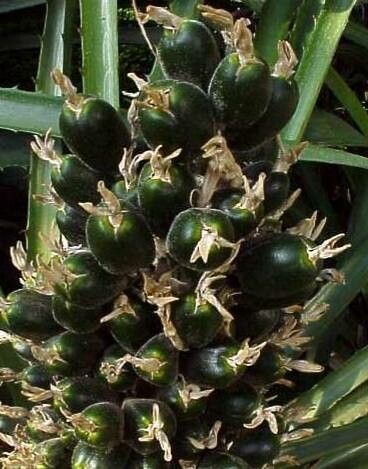
Hey there, fellow plant enthusiasts! Today, we’re diving into the fascinating world of Puya chilensis, that spiky, architectural beauty with its stunning sunset-colored blooms. If you’ve ever been captivated by its dramatic form and wondered how to get more of these treasures in your garden, you’re in the right place. Propagating Puya can feel a little like uncovering a secret, and it’s incredibly rewarding to watch these little wonders grow from a tiny start. For beginners, it can be a bit of a challenge, but with a little patience and the right approach, it’s definitely achievable.
The Best Time to Start
Timing is everything with these beauties! The absolute best time to think about propagating Puya chilensis is during its active growing season, which typically runs from late spring through summer. This is when the plant has the most energy to put into developing new roots. You’ll find it’s easiest to propagate from offsets that have emerged from the base of an established plant.
Supplies You’ll Need
Before we get our hands dirty, let’s gather our tools. Having everything ready makes the process so much smoother.
- Sharp, Clean Pruning Shears or a Knife: For making clean cuts.
- Rooting Hormone (Optional but Recommended): A powder or gel can give your cuttings a helpful boost.
- Well-Draining Potting Mix: A cactus and succulent mix is perfect, or you can create your own by blending equal parts potting soil, coarse sand, and perlite.
- Pots or Trays: Small pots or seed trays with drainage holes.
- Gloves: Those spines can be surprisingly sharp!
- Watering Can or Spray Bottle: For gentle watering.
- Bottom Heat (Optional): A seedling heat mat can significantly speed up root formation.
Propagation Methods
Puya chilensis is most commonly propagated from offsets, which are essentially baby plants that sprout from the base of the mature “mother” plant. This is by far the most reliable method.
Propagating from Offsets:
- Locate the Offsets: Look around the base of your mature Puya. You’ll see smaller rosettes of leaves emerging.
- Carefully Detach: Using your sharp pruning shears or knife, make a clean cut as close to the mother plant’s base as possible. Try to get a bit of the offset’s own root system if it has developed. If the offset is large enough, you might be able to gently twist it free.
- Allow to Callus: This is a crucial step! For offsets, let them air dry in a warm, dry location for a few days to a week. You want to see a callused wound over the cut. This prevents rot from setting in when you plant it.
- Prepare the Pot: Fill your small pots with the well-draining potting mix.
- Apply Rooting Hormone (Optional): If you’re using rooting hormone, dip the callused end of the offset into it. Tap off any excess.
- Planting: Make a small hole in the soil with your finger or a pencil. Insert the callused end of the offset into the hole and gently firm the soil around it. The bottom leaves should be just above the soil surface.
- Initial Watering: Water very sparingly. Just enough to slightly moisten the soil around the base. You don’t want it soggy.
The “Secret Sauce” (Pro Tips)
Here are a couple of things I’ve learned over the years that really make a difference:
- Think Dry, Not Damp: Puya plants are desert dwellers at heart. Overwatering is their kryptonite, especially when they’re trying to establish roots. Err on the side of underwatering. When you do water, make sure the soil dries out significantly between waterings.
- The Power of Warmth: If you’re serious about speeding things up, a bottom heat mat is a game-changer. It provides gentle warmth to the soil, encouraging root development much faster than ambient room temperature alone. I put my pots on mine for about 8-10 hours a day.
Aftercare & Troubleshooting
Once your offsets are planted, patience is key.
- When to Water: Wait until you see signs of new growth, like fresh leaves emerging or the offset looking a bit plumper, before watering more regularly. Even then, water only when the top inch or two of soil is dry.
- Finding a Sunny Spot: Place your newly potted offsets in a bright, indirect light location. Avoid scorching direct sun until they are well-established.
- Trouble Signs: The most common problem is rot. If your offset turns mushy, black, or starts to collapse, it’s likely succumbed to rot, usually due to too much moisture. Unfortunately, there’s not much you can do once rot sets in.
- No Growth? Don’t fret if nothing seems to be happening for weeks, or even a couple of months. Puya can be slow starters. As long as it isn’t showing signs of rot, keep it in its bright spot and water sparingly.
A Little Encouragement
Propagating Puya chilensis is a journey, not a race. There might be a bit of trial and error, and that’s perfectly okay! What matters is that you’re giving it a go, learning as you go, and nurturing these unique plants. Enjoy the process, celebrate the little successes, and soon you’ll have your own thriving Puya companions. Happy gardening!
Resource:
https://identify.plantnet.org/k-world-flora/species/Puya%20chilensis%20Molina/data