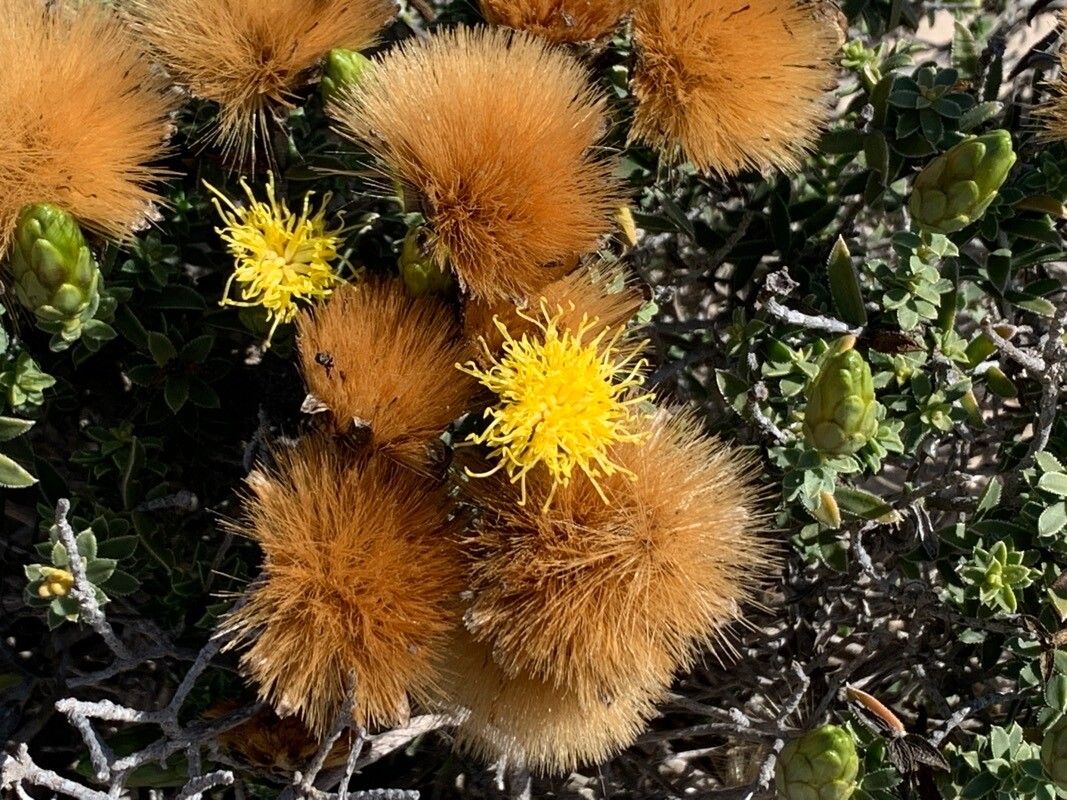
Hello fellow plant lovers! Today, we’re diving into the wonderful world of Pteronia onobromoides, a little gem that brings a unique charm to any garden. Its delicate, often feathery foliage and the promise of delightful blooms make it a real treasure. While it might look a bit exotic, I’ve found propagating Pteronia onobromoides to be a surprisingly accessible and incredibly rewarding endeavor. Even if you’re new to the propagation game, don’t be shy – you can absolutely do this!
The Best Time to Start
For the highest chance of success, I find that the late spring or early summer is the sweet spot for propagating Pteronia onobromoides. This is when the plant is actively growing and has plenty of energy reserves. You want to work with stems that are semi-hardwood – meaning they’re not brand new and floppy, but not old and woody either. Think of a pencil-thick stem that’s just starting to firm up.
Supplies You’ll Need
To get your propagation station ready, gather these essentials:
- Sharp, clean pruning shears or a craft knife: For making clean cuts.
- Rooting hormone powder or gel: This is optional but highly recommended to give your cuttings a boost.
- Well-draining potting mix: I like a blend of perlite, coarse sand, and a good quality seed-starting mix. About a 50/50 perlite to potting mix ratio usually works wonders.
- Small pots or trays: Clean ones, of course! Yogurt cups with drainage holes poked in the bottom work in a pinch.
- Plastic bags or a clear propagation lid: To create a humid environment.
- A spray bottle filled with water: For misting.
Propagation Methods: Let’s Get Our Hands Dirty!
The most reliable way I’ve found to propagate Pteronia onobromoides is through stem cuttings. It’s straightforward and yields great results.
- Taking Your Cuttings: Select a healthy stem from your established Pteronia onobromoides. Using your sharp tool, make a clean cut just below a leaf node (where a leaf attaches to the stem). You want cuttings that are about 4-6 inches long. Remove any lower leaves that might fall below the soil line.
- Wounding and Hormoning (Optional but Recommended): If you have rooting hormone, lightly dip the cut end of the stem into it. You can also gently scrape a small sliver of the bark off one side of the stem’s base. This “wounding” can encourage root development.
- Planting Your Cuttings: Fill your clean pots with your well-draining potting mix. Make a small hole in the center with your finger or a pencil. Gently insert the prepared cutting into the hole, ensuring the leaf nodes are below the surface of the soil. Firm the soil gently around the stem.
- Creating Humidity: Water the soil lightly until it’s moist but not soggy. Then, cover the pot with a clear plastic bag or place it under a propagation lid. This creates a mini-greenhouse, keeping the humidity high and preventing the cutting from drying out.
The “Secret Sauce” (Pro Tips)
Here are a couple of my tried-and-true tricks:
- When you cover your cuttings with a plastic bag, try to ensure the leaves don’t touch the plastic. If they do, they can rot. You can use little stakes or even toothpicks to prop the bag up.
- If you have a heat mat, placing your pots on gentle bottom heat can significantly speed up the rooting process. It mimics the warmth of spring soil, giving those roots a real nudge.
Aftercare & Troubleshooting
Once your cuttings are planted, place them in a bright spot that receives indirect sunlight. Avoid direct sun, as this can scorch the delicate new growth. Keep the soil consistently moist – like a wrung-out sponge.
You’ll know your cutting has started to root when you see new leaf growth appearing. This can take anywhere from a few weeks to a couple of months. Gently tugging on the stem – if there’s resistance, you’ve got roots!
The most common issue you might encounter is rot. If your cutting turns black and mushy, it’s likely succumbed to overwatering or poor drainage. If you notice this, unfortunately, it’s best to discard it and try again. Good drainage and proper watering are your best defense.
A Little Patience Goes a Long Way
Propagating plants is a beautiful dance with nature. It requires a touch of patience and a whole lot of observation. Don’t be discouraged if your first few attempts aren’t perfect. Every gardener has had their share of cuttings that just didn’t make it. Just keep trying, observe what works for your environment, and soon you’ll be admiring your own little army of Pteronia onobromoides. Happy gardening!
Resource:
https://identify.plantnet.org/k-world-flora/species/Pteronia%20onobromoides%20DC./data