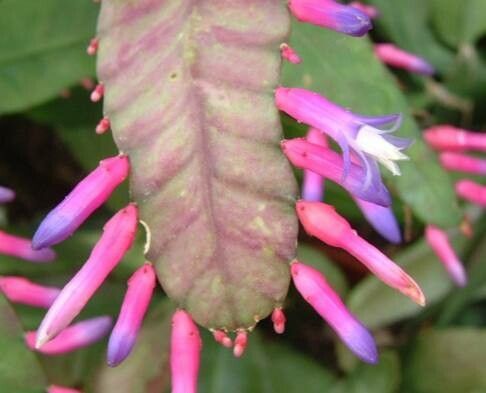
Hey there, fellow plant enthusiasts! Today, I want to talk about a gorgeous jungle dweller that’s been catching my eye lately: Pseudorhipsalis amazonica. If you’ve seen its cascading, leathery, emerald-green stems, you know exactly why it’s so special. It brings a wild, almost ethereal quality to any space. And the best part? Propagating it yourself is incredibly rewarding. Honestly, for those of you just dipping your toes into the world of plant propagation, Pseudorhipsalis amazonica is a pretty forgiving friend. You’ll likely find it much easier than you think!
The Best Time to Start
Spring is practically singing its siren song to your plants, and Pseudorhipsalis amazonica is no exception. This is when it’s bursting with new growth, making it the most robust time to take cuttings. Aim for late spring or early summer, after the initial rush of growth has settled a bit. The longer, warmer days mean increased vigor, which is exactly what you want for happy roots.
Supplies You’ll Need
Gathering your tools beforehand makes the whole process smoother. Here’s what I usually have on hand:
- Sharp Pruning Shears or a Clean Knife: For taking clean cuts.
- A Well-Draining Potting Mix: I swear by a blend of orchid bark, perlite, and a bit of coco coir. This gives great aeration.
- Small Pots or Seedling Trays: Terracotta pots are lovely as they breathe.
- Rooting Hormone (Optional but recommended): Especially for trickier cuttings.
- Spray Bottle: For misting.
- Patience! The most important tool of all.
Propagation Methods
Let’s get our hands dirty! Pseudorhipsalis amazonica is a trooper, and I’ve had great success with stem cuttings.
Stem Cuttings
This is my go-to method for this beauty. It’s straightforward and usually yields fantastic results.
- Select a Healthy Stem: Look for a mature, but not old, stem on your parent plant. It should be firm and look vibrant.
- Make the Cut: Using your sharp shears or knife, take a cutting that’s about 4-6 inches long. Try to include at least a couple of segments. Make a clean cut right where a segment joins the next.
- Allow to Callus: This is a crucial step for succulents and epiphyllum-like plants. You need to let the cut end dry out and form a callus over for a day or two. Just place the cuttings in a dry spot, out of direct sun. This prevents rot when you plant them.
- Dip in Rooting Hormone (Optional): If you’re using it, lightly dip the callused end into the rooting hormone powder. Tap off any excess.
- Plant Your Cuttings: Fill your chosen pots with your well-draining mix. Make a small hole with your finger or a pencil. Gently insert the callused end of the cutting into the mix, about an inch deep. Don’t pack the soil too tightly around the cutting; a gentle press is all that’s needed.
- Water Sparingly: Give the soil a light watering. You want it moist, not waterlogged.
The “Secret Sauce” (Pro Tips)
You’ve probably read the basics, but here are a couple of things that really make a difference for these kinds of plants:
- Don’t Let the Leaves Touch the Water (If Water Propagating): While Pseudorhipsalis amazonica can be propagated in water, I find stem cuttings in soil are far more successful long-term. If you do try water propagation, ensure only the cut end touches the water, not the leafy segments. Any part submerged for too long is a prime candidate for rot.
- Embrace Bottom Heat: If you have a heat mat designed for seedlings, this is your secret weapon! Placing your pots on a gentle heat source significantly speeds up root development. It mimics the warmth of their native tropical understory wonderfully. Just make sure the heat isn’t cranked up too high.
Aftercare & Troubleshooting
Once your cuttings are nestled in their new homes, give them a little TLC. Keep them in bright, indirect light. Avoid direct sun, which can scorch them. Water only when the top inch of soil feels dry.
You’ll start seeing signs of life when new growth emerges from the base or tip of the cutting. This usually takes a few weeks.
The most common issue you might encounter is rot. If you see your cutting turning mushy or black, it’s usually a sign of too much moisture or a lack of callusing. If it’s localized, you might be able to cut away the rot and try callusing again.
A Encouraging Closing
Gardening is all about trust – trusting your plant, and trusting yourself. Propagating Pseudorhipsalis amazonica is a beautiful way to multiply your joy and share these stunning plants with others. Be patient with the process; nature has its own timeline. Enjoy watching those tiny roots form, and soon you’ll have a whole new cascade of green to admire! Happy propagating!
Resource: