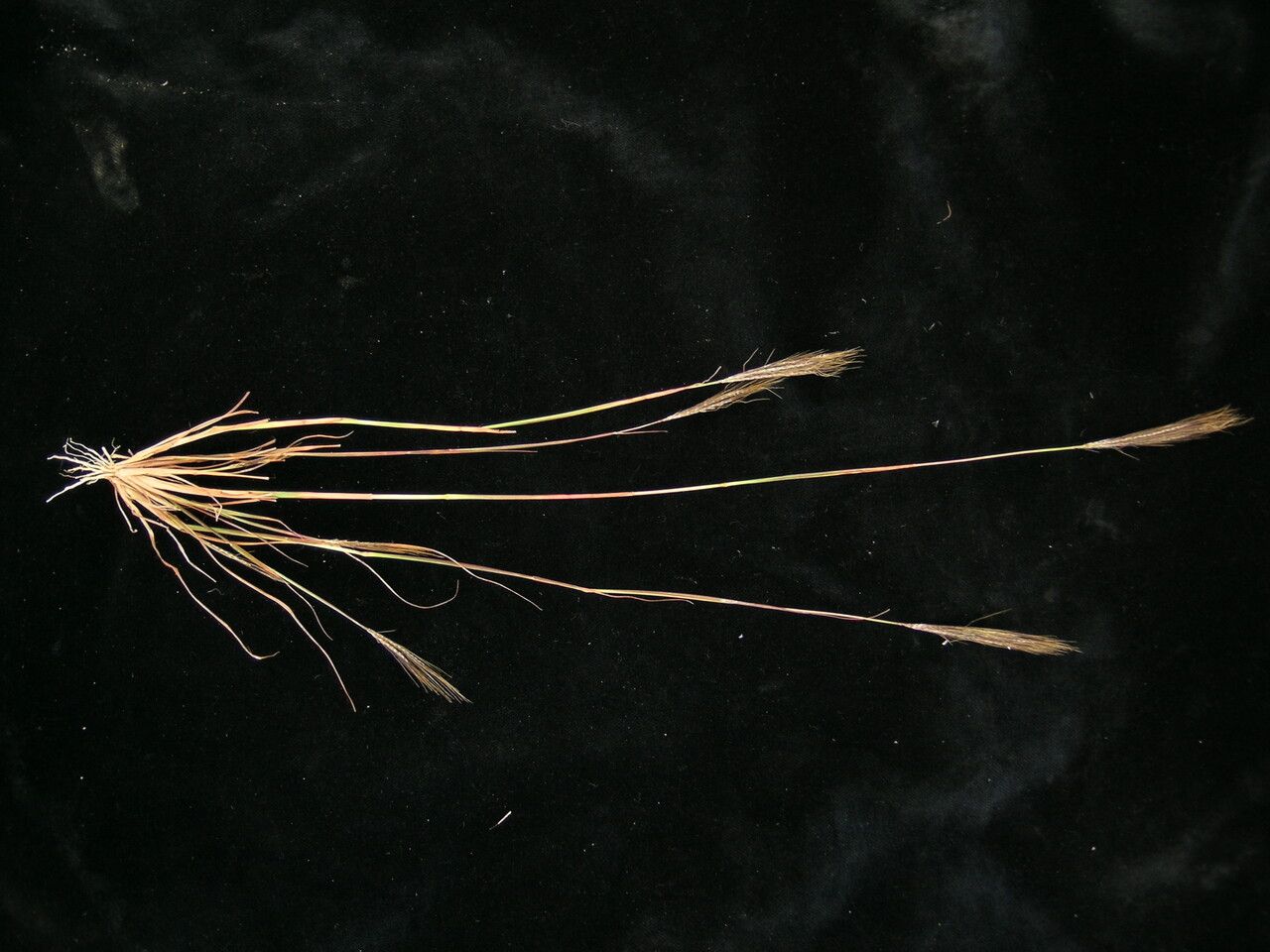
Oh, hello there! Grab a mug of something warm, because today we’re diving into the delightful world of Pseudopogonatherum contortum. This grass, with its elegantly arching, often bronzed foliage, brings a touch of wild beauty to any garden. It sways so gracefully in the breeze, adding texture and movement that’s just simply captivating. And the best part? You can easily bring more of this beauty into your life by propagating it! It’s a really rewarding process, seeing those tiny new roots emerge. Honestly, for someone who’s been knee-deep in soil for two decades, I’d say propagating this grass is quite manageable, even for those of you just starting out.
The Best Time to Start
When it comes to getting the most success with your cuttings, spring is your golden ticket. As the weather warms up and the plant starts actively growing after its winter rest, it has all the energy it needs to put into forming new roots. You can also have success in early summer, but definitely aim for that burst of spring growth.
Supplies You’ll Need
Here’s a little checklist to get you prepped. Having everything ready makes the whole process smoother:
- Sharp pruning shears or a clean knife: For making clean cuts.
- Potting mix: A well-draining mix is crucial. I like to use a blend of potting soil and perlite or coarse sand (at least a 2:1 ratio of soil to perlite/sand).
- Small pots or seed trays: Whatever you have available that allows good drainage.
- Rooting hormone (optional but helpful): Especially for slightly trickier propagations. Look for one with indole-3-butyric acid (IBA).
- Plastic bags or a propagation dome: To create a humid environment.
- Watering can with a fine rose: For gentle watering.
- Small labels: So you don’t forget what you’ve planted!
Propagation Methods
Let’s get our hands dirty! For Pseudopogonatherum contortum, I find the easiest and most effective method is taking stem cuttings.
- Take Your Cuttings: In spring, select a healthy, non-flowering stem. Using your sharp shears or knife, make a clean cut just below a node (that little bump where leaves emerge). Aim for cuttings that are about 4-6 inches long.
- Prepare the Cuttings: Gently remove the lower leaves from the cutting, leaving just a few at the top. If you’re using rooting hormone, dip the cut end into it now, tapping off any excess.
- Planting the Cuttings: Fill your small pots with your well-draining potting mix. Use your finger or a pencil to make a small hole in the center of the soil. Carefully insert the cut end of your stem cutting into the hole, ensuring that the node where you removed the leaves is buried in the soil. Gently firm the soil around the cutting.
- Create Humidity: Water the soil gently. Now, here’s where that plastic bag or propagation dome comes in handy. Place a clear plastic bag over the pot, propping it up so it doesn’t touch the leaves. Alternatively, place the pots inside a propagation dome. This will create a humid microclimate, which is essential for successful rooting.
- Placement: Put your potted cuttings in a bright spot out of direct sunlight. They need light, but that harsh afternoon sun can scorch delicate cuttings.
The “Secret Sauce” (Pro Tips)
Over the years, I’ve learned a thing or two that can really give your propagation efforts a boost.
- The Node is Key: When you’re preparing your cuttings, make sure that at least one node is buried in the soil. This is where the magic happens – where roots will emerge. Don’t skip this!
- Gentle Watering is Paramount: Overwatering is the enemy of new cuttings! Let the surface of the soil dry out slightly between waterings. It’s better to underwater slightly than to drown your precious baby plants.
- Consider Bottom Heat: If you have a heat mat designed for seedlings, placing your pots on gentle bottom heat can significantly speed up the process. It mimics the warmth of spring and encourages root development. Just make sure it’s not too hot – lukewarm is perfect!
Aftercare & Troubleshooting
Once you start to see signs of new growth – little leaves unfurling or the cutting feeling firm when you gently tug it – you know roots are forming! At this point, you can gradually acclimate your new plant to normal room humidity by opening the plastic bag or propagation dome a little more each day over a week. Continue to water as needed, keeping the soil consistently moist but not waterlogged.
The biggest problem you’ll likely encounter is rot. This is almost always due to overwatering or poor drainage. If you see your cutting turning mushy or developing black spots, it’s usually a sign of trouble. If you catch it early, you might be able to save it by removing it from the pot, trimming away any rotted parts, and repotting it in fresh, dry soil.
A Encouraging Closing
Propagating plants is an act of faith, isn’t it? You’re taking a tiny piece of something beautiful and nurturing it into a whole new life. Be patient, my friends. Not every attempt will be a roaring success, and that’s perfectly okay. That’s how we learn! Keep trying, enjoy the process, and soon you’ll have a whole collection of your own gorgeous Pseudopogonatherum contortum. Happy gardening!
Resource: