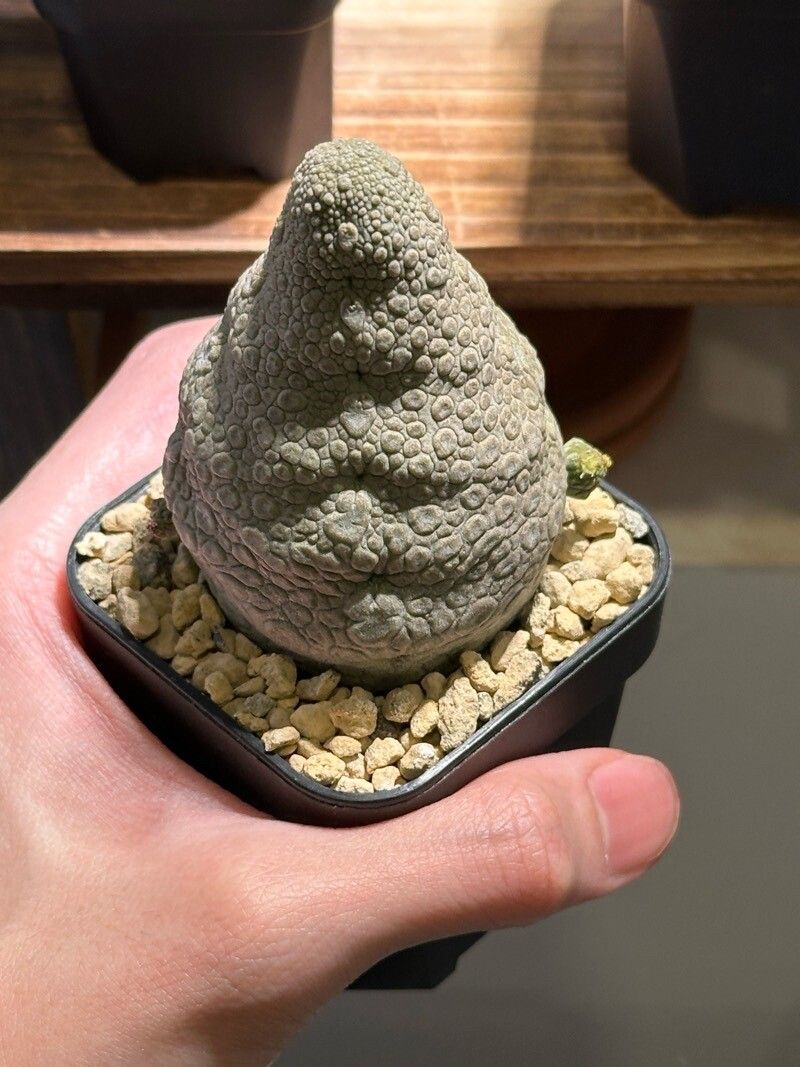
Hey there, fellow plant lovers! Today, we’re diving into the fascinating world of Pseudolithos gigas, affectionately known by many as the “Goliath Pseudolithos” or the “Stone Plant.” If you’ve ever seen one of these quirky beauties, you know exactly why they capture our hearts. With their intriguing, almost alien-like forms and their remarkable ability to mimic stones, they add a unique, sculptural element to any succulent collection. Propagating them might sound a bit daunting at first, but trust me, it’s an incredibly rewarding journey. While I wouldn’t say Pseudolithos gigas are a “set it and forget it” kind of plant for absolute beginners, with a little patience and the right approach, you’ll be well on your way to creating your own little stone patch!
When is the Best Time to Get Started?
The absolute sweet spot for propagating Pseudolithos gigas is during their active growing season. For most of us, this means late spring through summer. You’ll notice your plant is putting out new growth, looking plump and healthy. This is when they have the most energy to put into striking roots and establishing themselves. Trying to propagate when they’re dormant in winter is like asking someone to start a marathon without any training – it’s just not going to end well!
What You’ll Need for Success
Gathering your supplies beforehand makes the whole process much smoother. Here’s my go-to list:
- Sterile Propagation Knife or Blade: A clean, sharp tool is crucial to prevent disease introduction. I prefer a small, razor-sharp blade.
- Well-Draining Potting Mix: This is non-negotiable for succulents! A good mix is key. I usually use a blend of perlite, pumice, and a good quality cactus/succulent soil. About a 50/50 mix of perlite/pumice to soil works wonders.
- Small Pots or Trays: Whatever you have on hand that will hold your soil and new cuttings. Make sure they have drainage holes.
- Rooting Hormone (Optional, but Recommended): This can significantly boost your success rate. Gel or powder forms work well.
- Watering Can with a Fine Rose: Gentle watering is best for delicate new roots.
- Labels: Trust me, you’ll want to label your cuttings, especially if you’re propagating multiple plants!
- Bottom Heat (Optional, but Highly Beneficial): A seedling heat mat can speed up root development considerably.
Let’s Get Them Rooting: Propagation Methods
Pseudolithos gigas is best propagated through stem cuttings and, if you’re lucky enough to have a mature specimen with offsets, division.
Stem Cuttings: The Most Common Approach
- Take Your Cuttings: Using your sterile knife or blade, carefully take cuttings from a healthy, mature Pseudolithos gigas. Look for stems that are at least 2-3 inches long but have a few distinct nodes (where leaves emerge). It’s best to make a clean cut just above a node.
- Let Them Callus: This is a critical step for succulents! After taking your cuttings, place them in a dry,
airy spot out of direct sunlight for several days to a week. You’ll see the cut end start to dry and form a callus. This prevents rot when they hit the soil. - Apply Rooting Hormone (Optional): Once callused, lightly dip the callused end of each cutting into rooting hormone. Tap off any excess.
- Plant Your Cuttings: Fill your small pots or trays with your well-draining propagation mix. Gently insert the callused end of each cutting into the soil, about an inch deep. You can plant a few cuttings in the same pot, making sure they have a little space between them.
- Initial Watering: Water very sparingly. You want the soil to be barely moist, not wet. I usually wait a day or two after planting to give the cuttings a chance to settle in.
Division (for Offsets)
If your Pseudolithos gigas has started to produce little baby plants (offsets) at its base, you have a great opportunity for propagation.
- Gently Separate: Carefully unpot the mother plant. You may need to gently loosen the soil around the offsets to see where they are attached. Using your sterile knife or a gentle tug, separate the offset from the mother plant, ensuring it has at least one or two roots attached if possible.
- Callus (if needed): If you had to make a clean cut to separate, let the offset callus over for a day or two, just like a stem cutting.
- Pot Up: Plant the offset in its own small pot filled with your well-draining mix.
- Water Sparingly: Water very lightly to settle the soil.
The “Secret Sauce” for Extra Success
Here are a couple of tricks I’ve learned over the years that make a real difference:
- Don’t Drench the Soil Initially: I know it’s tempting to water thoroughly, but for succulents, it’s far better to err on the side of underwatering when they’re rooting. The callusing step and a slightly dry soil environment are your best defense against rot. Mist lightly if the soil looks bone dry, but wait for signs of roots and then water more normally.
- Warmth is Key: As I mentioned, bottom heat is a game-changer! Placing your pots on a seedling heat mat (around 70-80°F or 21-27°C) encourages root development much faster than just ambient room temperature. It mimics the warmth of the soil in their natural habitat.
Aftercare and What to Watch For
Once your cuttings have been in the soil for a few weeks, you can start to gently tug on them. If you feel resistance, that’s a good sign of roots! You might even see little root tips peeking out of the drainage holes.
- Gradual Watering: Once roots are established, you can begin watering a bit more regularly, but always allow the soil to dry out completely between waterings. This is the golden rule for all succulents.
- Bright, Indirect Light: Place your newly potted propagations in a bright spot that receives indirect sunlight. Direct sun can be too intense for these young, vulnerable plants.
- Rot is the Enemy: The biggest challenge you’ll face with Pseudolithos gigas propagation is rot. Signs of rot include mushy stems, darkening at the base, or a general wilting that doesn’t improve with watering. If you see this, unfortunately, it’s usually a lost cause. Your best bet is prevention: good drainage, proper watering, and that callusing step. Don’t be discouraged if a cutting doesn’t make it – it happens to all of us!
A Small Patch of Stone, Grown by Your Hand
Propagating Pseudolithos gigas is a journey that requires a bit of patience and observation, but the reward of seeing a tiny new plant emerge is truly special. Don’t be afraid to experiment a little, and most importantly, enjoy the process of nurturing these unique little stone plants into their own beautiful forms. Happy propagating!
Resource:
https://identify.plantnet.org/k-world-flora/species/Pseudolithos%20gigas%20Dioli/data