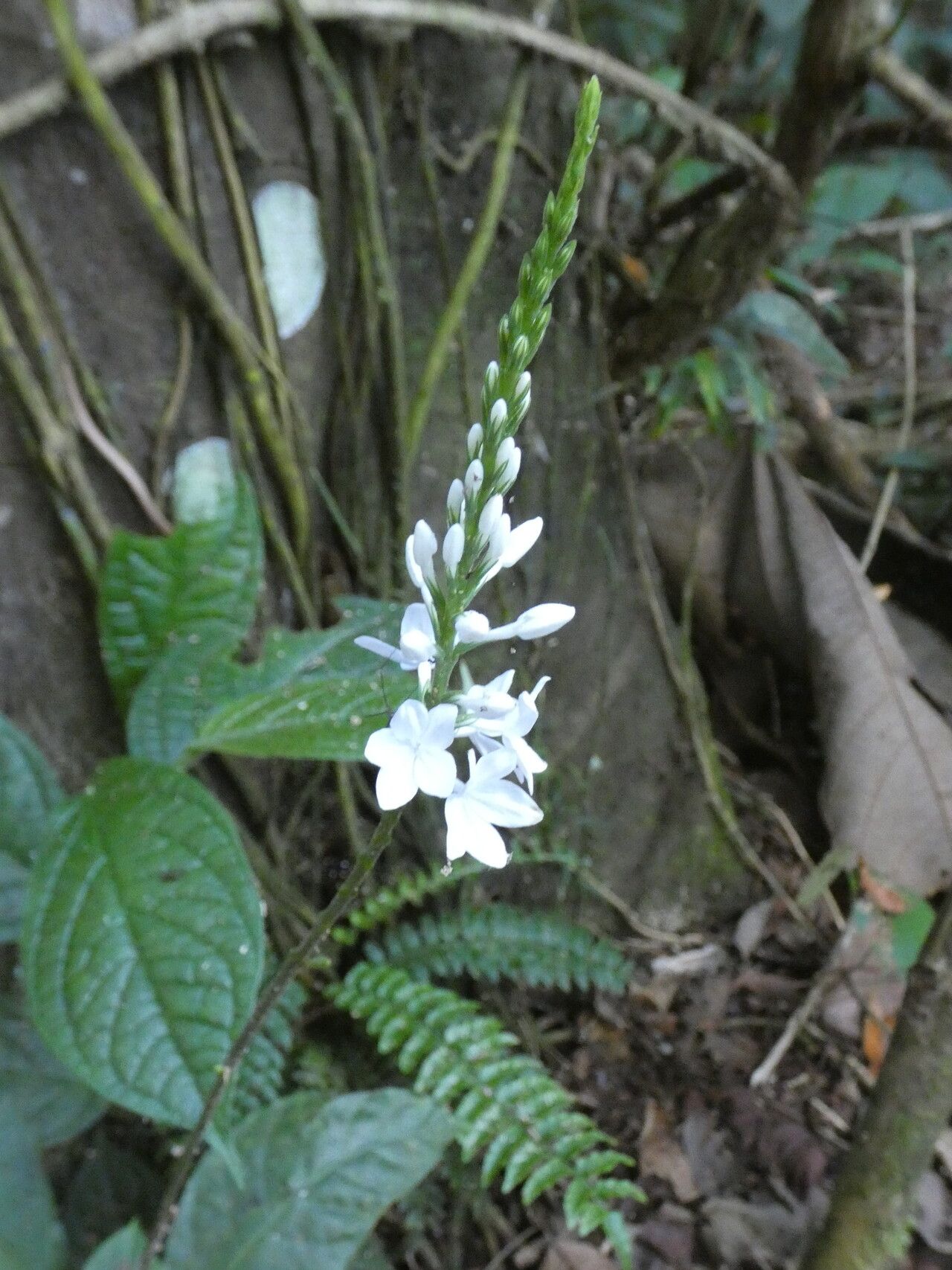
Spreading the Beauty of Pseuderanthemum subviscosum: Your Propagating Companion
Oh, Pseuderanthemum subviscosum! If you’ve ever admired its striking foliage, perhaps those deep, velvety leaves with their intriguing patterns, you’re not alone. This plant brings a touch of the tropics right into our homes and gardens, and there’s something truly special about nurturing a new plant from a tiny piece of an existing one. It’s like giving a gift of beauty, and guess what? It’s actually quite achievable! For those of you just dipping your toes into the wonderful world of plant propagation, I’m happy to report that Pseuderanthemum subviscosum is a wonderfully forgiving plant to start with. You’ll feel like a seasoned pro in no time.
When is the Sweet Spot for Propagation?
Generally, the late spring or early summer is your golden ticket for propagating Pseuderanthemum subviscosum. This is when the plant is in its most vigorous growth phase, meaning it has plenty of energy to put into developing new roots. Look for healthy, actively growing stems – these are the ones most likely to root successfully.
Gathering Your Gathering of Tools
Before we dive in, let’s make sure you have everything you need to set yourself up for success. Think of this as packing your gardening picnic!
- Sharp Pruning Shears or a Craft Knife: Clean, sharp tools are crucial for making clean cuts and preventing the spread of disease.
- Well-Draining Potting Mix: A good blend for propagation often includes peat moss or coco coir, perlite, and vermiculite. You can also find specialized seedling or propagation mixes.
- Small Pots or Seed Trays: Clean pots are a must! Anything from 3-4 inch pots to small seed trays will work.
- Rooting Hormone (Optional but Recommended): This is like a little booster shot for your cuttings, encouraging faster and stronger root development. Look for a powder or gel.
- Plastic Bag or Propagator Lid: This creates a humid environment, which is super important for cuttings.
- Watering Can with a Fine Rose or Spray Bottle: Gentle watering is key.
Let’s Get Growing: Stem Cuttings
This is my go-to method for Pseuderanthemum subviscosum, and it’s remarkably straightforward.
- Select Your Source: Find a healthy, non-flowering stem on your established plant. Look for one that’s about 4-6 inches long.
- Make the Cut: Using your clean shears or knife, make a clean cut just below a leaf node (that’s the little bump where a leaf meets the stem). This node is where roots are most likely to form.
- Prepare the Cutting: Gently remove the lower leaves, leaving just a couple of leaves at the very top. You can even trim these top leaves in half if they are very large, as this reduces water loss.
- Dip in Hormone (If Using): Lightly dip the cut end of your stem into your rooting hormone, tapping off any excess.
- Plant Your Cutting: Make a small hole in your prepared potting mix (using your finger or a pencil). Gently insert the cut end of the stem into the hole, then firm the soil around it.
- Water Gently: Water thoroughly but gently, ensuring the soil is moist but not waterlogged.
- Create Humidity: Place your pot in a plastic bag, tying it loosely, or cover it with a propagator lid. You want to create a mini greenhouse effect. Place it in a bright spot, but out of direct sunlight, which can scorch your new cuttings.
The “Secret Sauce”: My Insider Tips
After years of pottering about, I’ve learned a few tricks that can really make a difference.
- Bottom Heat is Your Friend: If you can, place your pots on a heat mat. This gentle warmth from below encourages roots to form much faster. It’s like giving your cuttings a cozy little spa treatment.
- Don’t Drown Your Dreams: While humidity is vital, avoid letting the leaves of your cuttings sit in standing water. This is a recipe for rot. Ensure good air circulation within your propagator.
- Patience, Young Padawan: Sometimes, the most crucial ingredient is simply time. Don’t be disheartened if you don’t see signs of life immediately. Some cuttings take their sweet time to establish.
Nurturing New Life and Navigating Hiccups
Once you start seeing signs of new growth – tiny leaves unfurling or a gentle tug on the cutting indicating root formation – you’re on the right track!
- Transitioning: Gradually acclimate your new plants to normal room conditions by opening the plastic bag or propagator lid a little more each day over a week.
- Watering: Water when the top inch of soil feels dry. They’ll still need consistently moist soil, but avoid soggy feet.
- Troubleshooting Rot: The most common issue you might encounter is rot, where the cutting turns mushy and dark. This is usually due to too much moisture and lack of ventilation. If you see this, unfortunately, that cutting is likely lost. Remove it immediately to prevent it from affecting others. Starting with fresh, clean materials and ensuring good drainage is your best defense.
There you have it! Propagating Pseuderanthemum subviscosum is a wonderfully rewarding journey. Don’t be afraid to experiment, and most importantly, enjoy the process of bringing more of this beautiful plant into your life. Happy growing!
Resource: