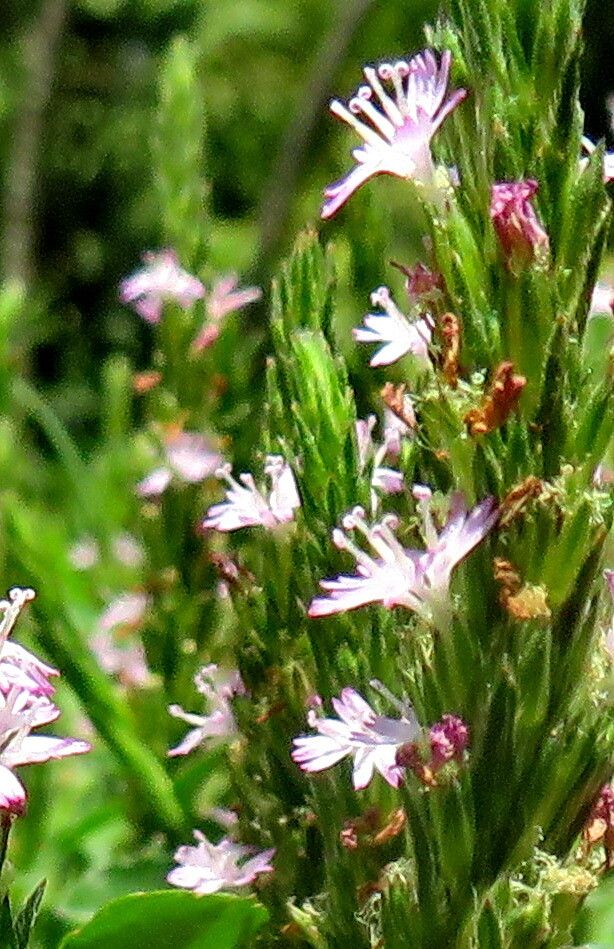
Hello, fellow plant enthusiasts! Today, we’re diving into the wonderful world of propagating Pseudelephantopus spicatus. This delightful plant, often appreciated for its charming, upright flower spikes and attractive foliage, is a joy to have in any garden or indoor collection. And the best part? Bringing more of these beauties into your life through propagation is surprisingly rewarding, and I’m happy to say, it’s one of those plants that’s pretty forgiving for beginners. You’ll be amazed at how a little bit of care can lead to a whole new Pseudelephantopus to share or keep all to yourself!
The Best Time to Start
Honestly, spring is your golden ticket with this one. As the days get longer and the plant really kicks into its vigorous growth phase, it’s just brimming with energy. You’ll find that cuttings taken during this time root much more readily. Alternatively, if you’re looking to divide an existing plant, early spring is also ideal, giving it plenty of growing season to recover and establish.
Supplies You’ll Need
Gathering your supplies beforehand makes the whole process so much smoother. Here’s what I always have on hand:
- Sharp Pruning Shears or a Clean Knife: For taking clean cuts. A dull tool can damage the stems.
- Rooting Hormone (Optional but Recommended): This little helper can significantly speed up root development and increase your success rate.
- Well-Draining Potting Mix: A good blend of peat moss, perlite, and a bit of compost works wonders. You can also find specific seedling or cutting mixes.
- Small Pots or Seedling Trays: With drainage holes, of course!
- Clear Plastic Bags or a Propagation Dome: To create a humid environment for your cuttings.
- Watering Can with a Fine Rose: To water gently without disturbing your new little plants.
- Labels and a Marker: Trust me, you’ll thank yourself later!
Propagation Methods
Let’s get our hands dirty! I find two methods work particularly well for Pseudelephantopus spicatus:
1. Stem Cuttings: The Most Reliable
This is my go-to method. It’s straightforward and usually yields fantastic results.
- Select Your Stems: Look for healthy, non-flowering stems on your mature plant. Aim for stems that are about 4-6 inches long and have at least two sets of leaves.
- Make the Cut: Using your clean shears or knife, make a clean cut just below a leaf node (where the leaf attaches to the stem). This is where the magic usually happens, as roots are most likely to form!
- Prepare the Cutting: Gently remove the lower leaves, leaving only a couple of pairs at the top. If the leaves are very large, you can even trim them in half to reduce water loss.
- Dip in Rooting Hormone (Optional): If you’re using rooting hormone, lightly dip the cut end into the powder or gel. Tap off any excess.
- Plant Your Cuttings: Fill your small pots with your well-draining potting mix. Make a small hole in the center with your finger or a pencil. Insert the cutting, ensuring the leaf nodes are below the soil surface. Gently firm the soil around the stem.
- Water Gently: Water the soil until it’s evenly moist but not soggy.
- Create a Humid Environment: Place the potted cuttings into a clear plastic bag, sealing it loosely or using a propagation dome. This traps humidity, which is crucial for rooting.
2. Division: For Established Plants
If you have a larger, established clump, division is a simple way to multiply your plant.
- Gently Remove from Pot: Carefully take your Pseudelephantopus out of its pot. You might need to loosen the soil around the edges first.
- Inspect the Root Ball: Gently tease apart the soil to see where the plant naturally divides. You’re looking for distinct sections with their own roots and shoots.
- Make the Division: Using your hands or a clean, sharp trowel/knife, gently separate the clump into smaller sections. Aim for sections that have at least a few leaves and a good amount of root structure.
- Repot Immediately: Pot each division into its own pot filled with fresh, well-draining potting mix.
- Water Thoroughly: Water each newly potted division well to help settle the soil and reduce transplant shock.
The “Secret Sauce” (Pro Tips)
Here are a few little tricks I’ve picked up over the years that can really boost your success:
- Don’t Let Those Leaves Touch the Water (for stem cuttings): If you happen to try water propagation, which is also an option with Pseudelephantopus spicatus, make absolutely sure that no leaves are submerged. Any leaf in contact with water will rot and can infect the entire cutting. It’s always better to have a few bare nodes in the water than leaves.
- Bottom Heat is Your Friend: For stem cuttings, placing your pots on a heat mat designed for seedlings can make a world of difference. This gentle warmth encourages root development from below, significantly speeding up the process. It mimics the warmth of spring soil.
- Patience with the Parent Plant: After taking cuttings or dividing, give your mother plant a little time to recover. Avoid overwatering immediately, and keep it in a slightly shadier spot for a week or two. It’s been through a bit of stress, so be gentle.
Aftercare & Troubleshooting
Once your cuttings have developed roots (you can often see them peeking out of the drainage holes or by gently tugging a cutting – there should be resistance!), it’s time for a little extra TLC.
- Acclimatize Gradually: If your cuttings are under a plastic bag, start by opening it for a few hours each day, gradually increasing the time until you can remove it completely. This helps them adjust to normal humidity levels.
- Watering: Continue to water when the top inch of soil feels dry. Avoid letting them sit in water, as this can lead to root rot.
- Light: Give your new Pseudelephantopus plants bright, indirect light.
- Troubleshooting: The most common issue you’ll face is rot. If a cutting looks mushy or dark, or if the leaves start to yellow and drop very quickly, it’s likely rot. This is usually caused by too much moisture and not enough air circulation. If you see this, remove the affected cutting immediately and check the moisture levels of any others. Sometimes, a cutting that looks like a goner might still recover if the rot hasn’t spread too far up the stem.
A Bit of Encouragement to Finish
Remember, gardening is a journey, and every plant you propagate is a little victory. Don’t get discouraged if a few cuttings don’t take. It happens to the best of us! Just keep observing, learning, and enjoying the process. Soon enough, you’ll have a whole collection of these lovely Pseudelephantopus spicatus plants, and you’ll have the satisfaction of knowing you grew them yourself. Happy propagating!
Resource: