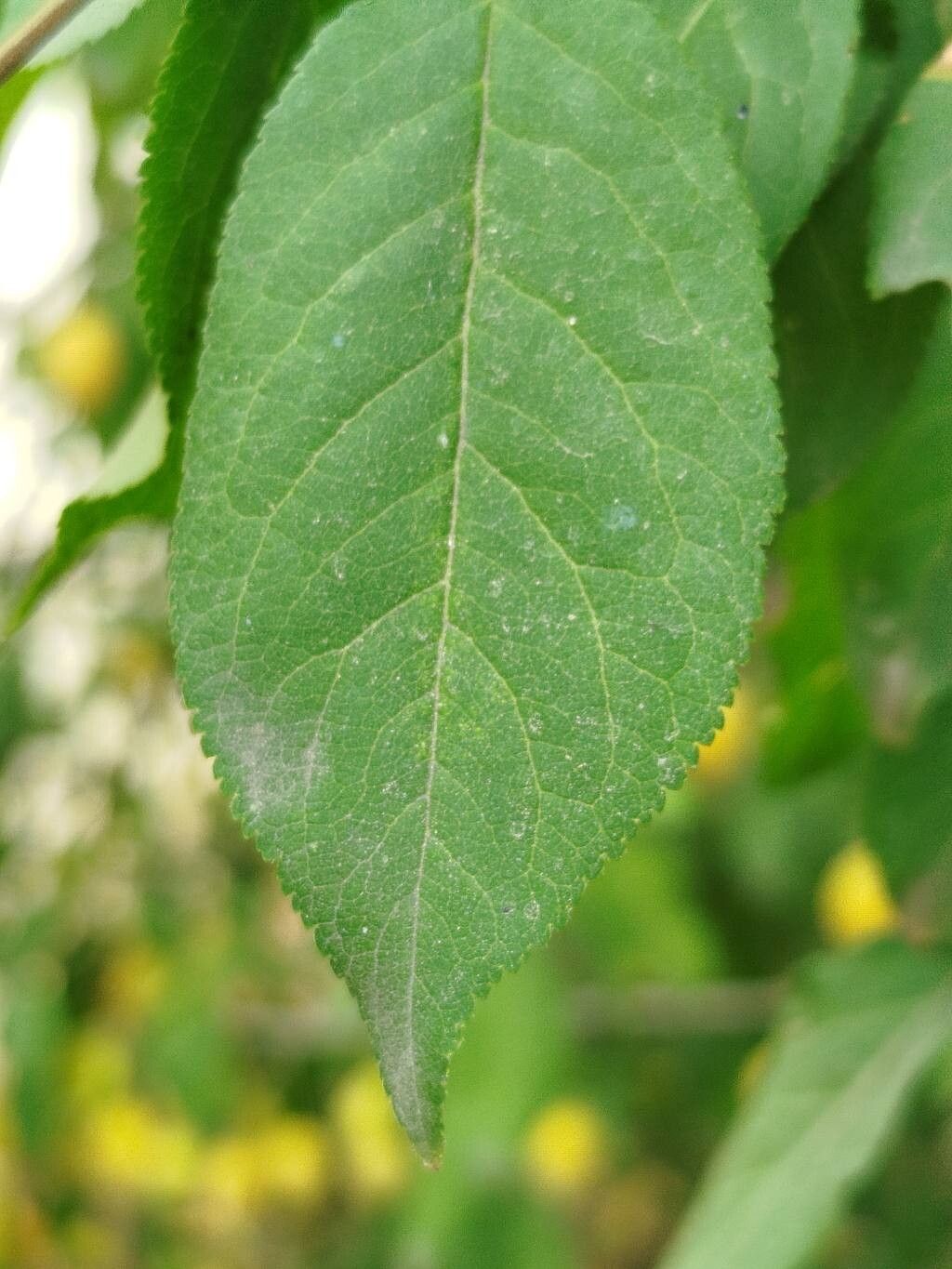
Hello there, fellow plant lovers! It’s so wonderful to connect with you today. I’m thrilled to share a little bit about propagating Prunus insititia, also known as the damson plum. These trees are just gorgeous, aren’t they? Their small, tart fruits are perfect for jams, pies, and liqueurs, and the trees themselves offer a beautiful springtime blossom. If you’ve ever admired a neighbor’s damson plum or wanted to add this delightful fruit to your own garden, growing your own from cuttings is a truly rewarding endeavor. Don’t worry if you’re new to this; while some fruit trees can be a bit finicky, Prunus insititia is quite forgiving, especially when you know a few tricks.
The Best Time to Start
Timing is everything in the garden, and for propagating Prunus insititia, late spring to early summer is your golden window. This is when the new growth is still soft and pliable – what we call “semi-ripe” cuttings. The warmer weather also encourages faster root development. Trying to root tougher, older wood in the fall or winter just doesn’t have the same oomph!
Supplies You’ll Need
Gathering your supplies before you begin makes the whole process so much smoother. Here’s what I always have on hand:
- Sharp, clean pruning shears or a sharp knife: Crucial for making clean cuts that heal well.
- Rooting hormone: While not strictly mandatory, it significantly boosts your success rate. I recommend a powder form made for woody cuttings.
- Small pots or seed trays: Ensure they have drainage holes!
- A good potting mix: I prefer a blend of peat moss, perlite, and a bit of sand. This creates excellent drainage and aeration, which is vital for preventing rot.
- A watering can with a fine rose or a spray bottle: Gentle watering is key.
- A plastic bag or a propagation dome: To create a humid environment.
- A small trowel or dibber: For making holes in the soil.
Propagation Methods: Stem Cuttings
This is by far my favorite and most successful method for damson plums. It’s straightforward and gives you a real sense of accomplishment.
- Take the Cuttings: On a bright, overcast morning (or after a good watering), select healthy, non-flowering shoots from your parent tree. Look for stems that are flexible but not completely limp. You want a length of about 6-8 inches. With your clean shears, make a clean cut just below a leaf node (where a leaf joins the stem). Remove any lower leaves, leaving just a few at the top. You can even take a sharp knife and scrape a small sliver of bark from one side of the bottom inch of the cutting. This exposes the cambium layer and can encourage rooting.
- Apply Rooting Hormone: Dip the cut end of the stem into your rooting hormone powder, tapping off any excess. This creates a nice, even coating.
- Plant Systematically: Fill your pots or trays with your prepared potting mix. Moisten it thoroughly. Using your dibber or a pencil, make a hole in the soil deep enough for about one-third to half of your cutting. Gently insert the cutting into the hole and firm the soil around it. If you’re planting multiple cuttings in one pot, space them a few inches apart so their leaves don’t touch.
- Create a Humid Environment: Water the soil gently again. Then, cover the pot with a plastic bag, ensuring the bag doesn’t touch the leaves (you can use stakes to prop it up), or place it inside a propagation dome. This is crucial for keeping the cuttings from drying out.
The “Secret Sauce” (Pro Tips)
From years of digging in the dirt, I’ve found a few things that really make a difference:
- Bottom Heat is Your Friend: If you have a heated propagator mat, place your pots on it. This gentle warmth from below encourages root formation much faster than relying solely on ambient air temperature. It’s a game-changer for woody cuttings.
- Don’t Overwater, But Keep it Consistently Moist: The soil should feel like a wrung-out sponge, not a swamp. Constantly checking the moisture level and misting the leaves if they look a bit droopy will go a long way. Remove the plastic cover for an hour or so every few days to allow for some air circulation.
- Patience is a Virtue (with a Sprinkle of Faith): Sometimes, it feels like nothing is happening, but those roots are forming below the surface. Trust the process.
Aftercare & Troubleshooting
Once your cuttings have started to show signs of life – new leaf buds or a gentle tug suggests resistance when you lightly pull on the cutting – it’s time to introduce them to the wider world.
Carefully remove the plastic bag or dome and gradually acclimatize them to normal room humidity over a few days. Continue to water them gently, ensuring the soil dries out slightly between waterings. If you’re moving them to a larger pot, do so very carefully to avoid disturbing the delicate new roots.
The most common sign of failure is rot. If your cutting turns black and mushy, or if it collapses completely, it’s a sign that the environment was too wet and lacked sufficient air circulation, or that disease set in. Don’t be discouraged if a few don’t make it; it’s part of the learning curve! You might also see wilting, which can indicate it’s drying out too quickly.
A Little Bit of Homegrown Joy
Watching a tiny twig transform into a brand new plum tree is one of those gardening miracles that never gets old. Be patient with your damson plum cuttings, give them a little extra TLC, and enjoy the journey of growing something from scratch. Happy propagating!
Resource:
https://identify.plantnet.org/k-world-flora/species/Prunus%20insititia%20L./data