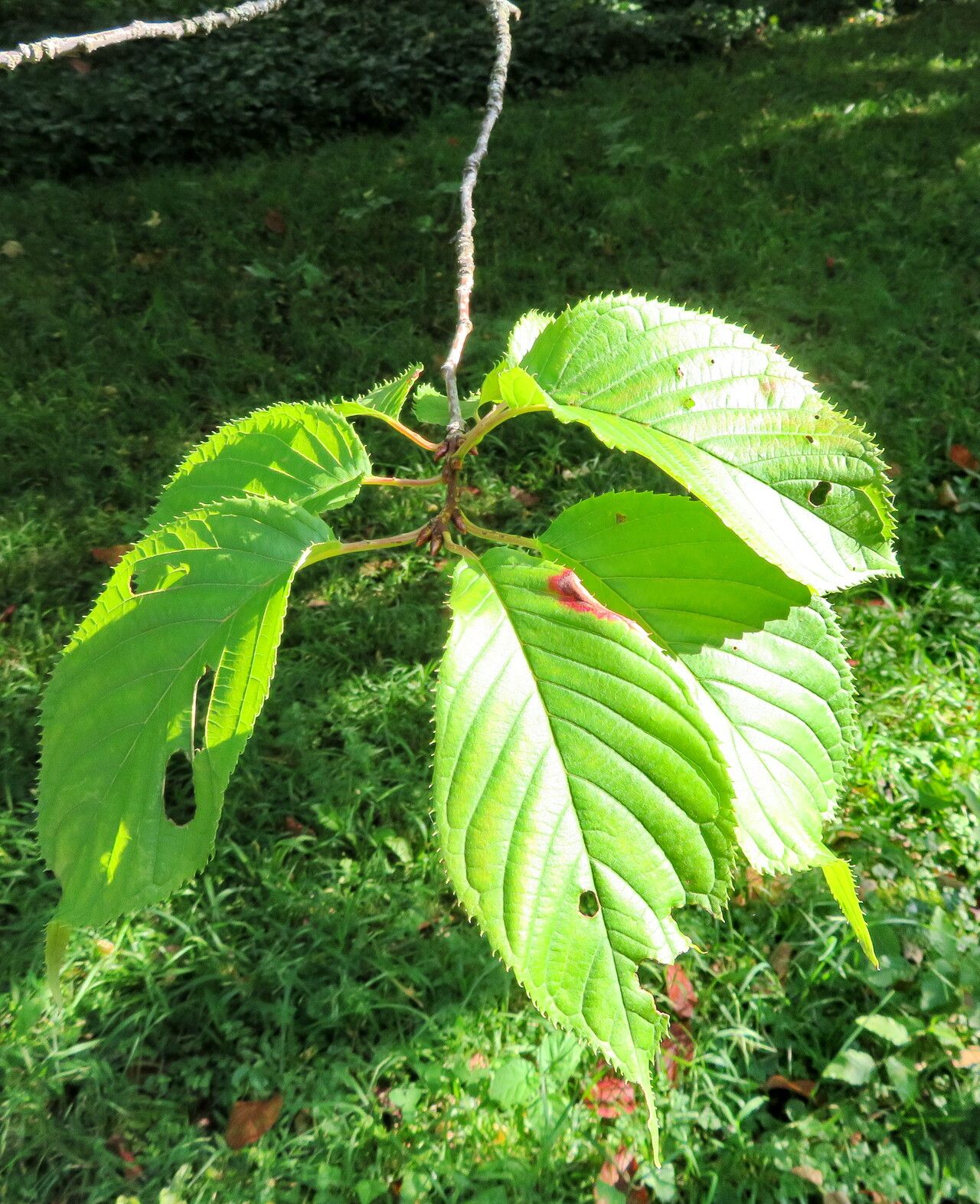
Well hello there, fellow plant enthusiast! I’m so glad you’re here. Today, we’re diving into the delightful world of Prunus campanulata, or as it’s more commonly known, the Taiwan Cherry. If you’ve ever had the pleasure of seeing this beauty in bloom, you’ll understand why I’m so excited to share how you can create more of them.
Why Grow From Seed?
The Taiwan Cherry is just stunning. It offers this incredible, vibrant pink floral display in the late winter or early spring, reminding us that life is returning even when the world outside is still a bit sleepy. It’s a burst of joy! Propagating it yourself is so rewarding. You get to watch a tiny cutting or seed transform into a blooming shrub, and it’s a fantastic way to share its beauty with friends and family. For beginners? I’d say it’s moderately challenging, but with a little patience and these tips, you’ll do just fine.
The Best Time to Start
Timing is everything in gardening, isn’t it? For Prunus campanulata, the magic window for taking cuttings is typically in late spring to early summer. This is when the plant has finished its main growth spurt, and the new stems are semi-hardened. They’re not too soft and floppy, but they’re not woody and old either. Think of it as that perfect stage of delicious, tender-crisp vegetables!
Supplies You’ll Need
Alright, let’s gather our tools. Having everything ready makes the process so much smoother:
- Sharp Pruning Shears or a Knife: For clean cuts, which are crucial for successful rooting.
- Rooting Hormone: A powder or gel can really give your cuttings a helping hand. Look for one specifically for woody cuttings.
- Potting Mix: A well-draining mix is paramount. I like to use a blend of peat moss, perlite, and a little bit of coarse sand – about a 1:1:1 ratio. Avoid heavy garden soil.
- Small Pots or a Propagation Tray: Clean pots are a must to prevent disease.
- Plastic Bag or Humidity Dome: To create a mini-greenhouse effect.
- Water: Clean, as always.
- Labels: To keep track of what you’ve planted and when.
Propagation Methods
Two tried-and-true methods for getting new Taiwan Cherries going are stem cuttings and, for the more adventurous, growing from seed.
Stem Cuttings (My Go-To!)
This is my favorite way to propagate many shrubs, and the Taiwan Cherry is no exception.
- Select Your Cuttings: Look for healthy, current-year growth. You want stems that are about 6-8 inches long and have at least a few sets of leaves. They should feel firm, not too bendy.
- Make the Cut: Using your sharp shears, make a clean cut just below a leaf node (where a leaf attaches to the stem). This is where roots are most likely to form.
- Prepare the Cuttings: Gently remove the leaves from the bottom half of the cutting. You want to expose the nodes where roots will emerge. If the remaining leaves are very large, you can trim them in half to reduce water loss through transpiration.
- Apply Rooting Hormone: Dip the cut end of the stem into your rooting hormone, tapping off any excess.
- Plant Your Cuttings: Fill your pots with your well-draining potting mix. Make a pilot hole with a pencil or dowel, then insert the prepared cutting, ensuring the nodes are buried in the soil. Gently firm the soil around the stem.
- Water Gently: Water thoroughly, but avoid waterlogging.
- Create Humidity: Place the pots in a tray and cover them with a clear plastic bag secured with a rubber band, or use a propagation lid. This will keep the humidity high around your cuttings.
Growing from Seed (A Fun Experiment!)
While cuttings are usually more reliable for true-to-type plants, growing from seed is a wonderfully rewarding journey.
- Collect Seeds: Harvest ripe seed pods in late summer or fall.
- Stratification is Key: These seeds often require a period of cold stratification to break dormancy. This mimics winter. You can do this by mixing the seeds with moist sand or peat moss in a plastic bag and storing it in the refrigerator for 2-3 months. Check periodically to ensure the medium stays moist.
- Sowing: After stratification, sow the seeds in pots filled with your well-draining potting mix, planting them about 1/4 inch deep.
- Keep Moist: Keep the soil consistently moist but not soggy.
- Warmth and Light: Place the pots in a warm, bright location. Germination can be unpredictable and may take several weeks or even months. Patience is your best friend here!
The “Secret Sauce” (Pro Tips)
Over the years, I’ve learned a few tricks that can really boost your success rate.
- Bottom Heat is a Game-Changer: Especially for cuttings, placing your pots on a heating mat designed for propagation can significantly speed up root development. It encourages those roots to grow strong and fast by keeping the soil at an optimal temperature.
- “Heeling” Your Cuttings: When you take a cutting, try to include a small bit of the older, woody stem from which it grew. This is called a “heel.” It can provide extra material for rooting and often leads to better success. You’ll notice a slight bulge or split bark at the bottom of your cutting where it attaches to the older wood.
- Keep it Clean: This might sound basic, but it’s so important. Sterilize your pruning tools between each cut, and make sure your pots are scrubbed clean. This drastically reduces the risk of fungal infections and diseases that can kill your precious cuttings before they even have a chance to root.
Aftercare & Troubleshooting
Once you start seeing signs of life – little new leaves popping up or roots peeking out the bottom of the pot – congratulations!
- Acclimatize: Gradually reduce humidity over a week or two before removing the plastic bag or dome completely. This helps your new plant adjust to normal room conditions.
- Light and Water: Provide bright, indirect light. Continue watering when the top inch of soil feels dry, but avoid overwatering.
- Potting Up: When your plants have developed a good root system and are actively growing, you can pot them up into slightly larger containers with fresh potting soil.
The biggest setback you might encounter is rot. If your cuttings turn black and mushy, or if you see mold on the soil surface, it’s usually a sign of too much moisture and not enough air circulation. Discard any affected cuttings immediately and ensure your soil is draining well and you’re not overwatering. With seeds, a lack of germination might mean the stratification period wasn’t long enough or the seeds weren’t viable. Don’t get discouraged if some don’t make it; that’s part of the learning process!
A Little Patience Goes a Long Way
Whipping up a batch of new Taiwan Cherries takes a bit of time and observation, but the joy of nurturing these new plants from scratch is truly unparalleled. Be patient, be observant, and most importantly, enjoy every step of the journey. Happy gardening!
Resource:
https://identify.plantnet.org/k-world-flora/species/Prunus%20campanulata%20Maxim./data