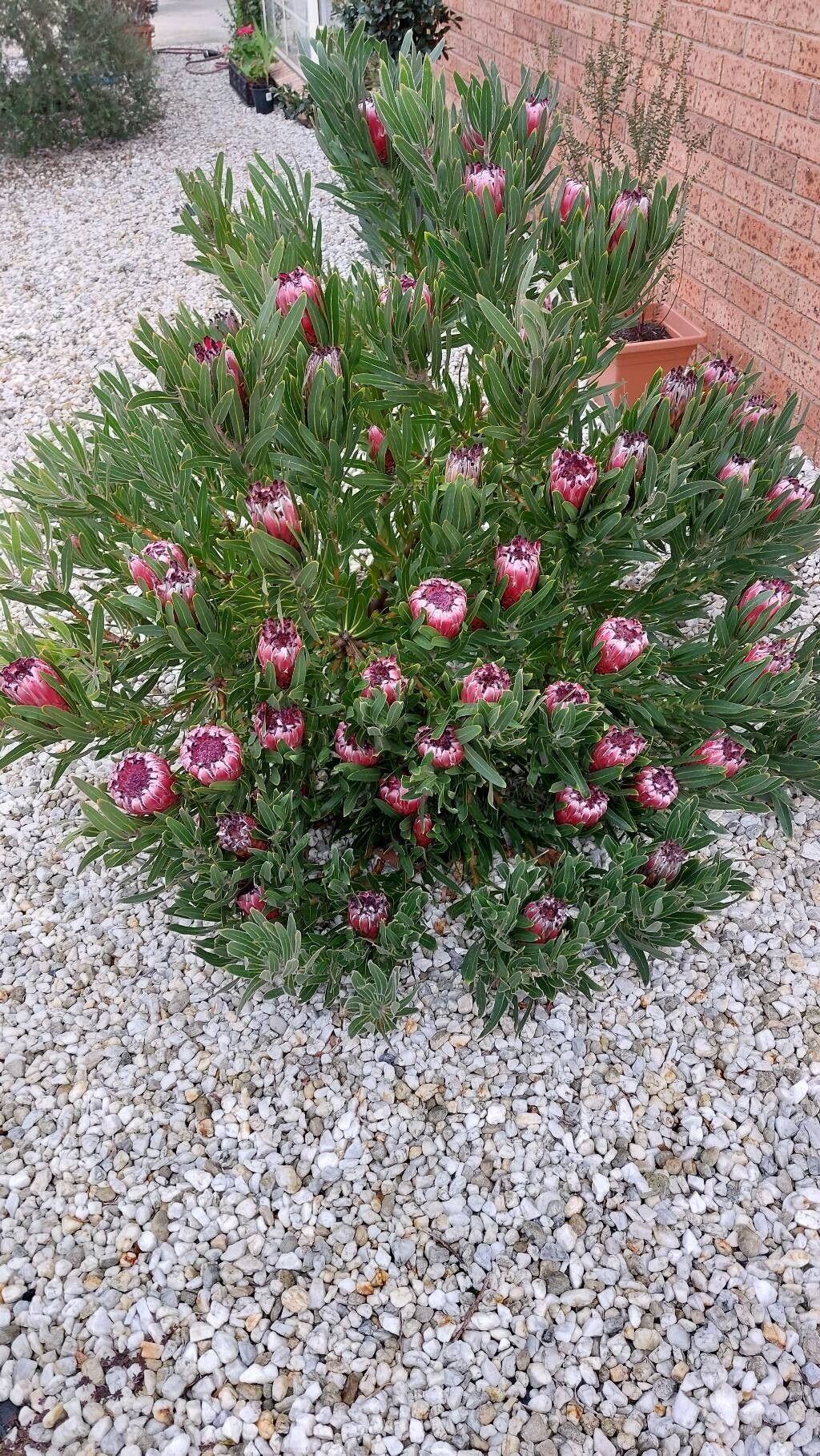
Hey there, fellow plant enthusiasts! Today, we’re diving into the wonderful world of propagating Protea caffra, also known as the Common Protea or Cape Protea. These stunning South African natives, with their unique, almost architectural blooms, are truly a garden showstopper. Growing them from scratch is incredibly rewarding. Now, I’ll be honest, propagating proteas isn’t quite as straightforward as sticking a geranium cutting in water, but with a little patience and the right approach, you’ll be well on your way to success. It’s a project for the slightly more adventurous beginner, or a lovely challenge for those with a bit of propagation experience under their belt.
The Best Time to Start
For Protea caffra, the sweet spot for taking cuttings is usually late spring through early summer. This is when the plant is actively growing but before it puts all its energy into flowering. Look for semi-hardwood cuttings. These are stems that are no longer brand new and soft, but not yet fully mature and woody. They should snap cleanly when bent, rather than just bending limply.
Supplies You’ll Need
Gathering your tools beforehand makes the process so much smoother. Here’s my go-to list:
- Sharp, sterile pruning shears or a knife: Cleanliness is paramount to prevent disease.
- Potting mix: A well-draining mix is crucial. I like to use a combination of coarse sand, perlite, and a bit of coco coir. Many commercial mixes for ericaceous plants (like azaleas) can also work if they’re gritty enough.
- Rooting hormone: This is a big help, especially for tougher-to-root species. Look for one containing IBA (indole-3-butyric acid).
- Small pots or trays: Terracotta pots are great as they allow the soil to breathe. Ensure they have drainage holes.
- Plastic bags or a propagator: To create a humid environment.
- Sharp sand or gravel: For drainage at the bottom of pots if you’re concerned about waterlogging.
- Watering can with a fine rose: To gently water your cuttings.
Propagation Methods: Stem Cuttings
This is the most common and effective way to propagate Protea caffra.
- Select Your Cuttings: As I mentioned, aim for semi-hardwood stems. Take cuttings about 4-6 inches long. Make a clean cut just below a leaf node (where a leaf attaches to the stem).
- Prepare the Cuttings: Gently remove the lower leaves from the bottom half of the cutting. Any leaves submerged in water or soil will rot. You can leave the top few leaves on, but if they’re very large, you might want to cut them in half to reduce water loss through transpiration.
- Apply Rooting Hormone: Dip the cut end of the stem into the rooting hormone, tapping off any excess.
- Plant Your Cuttings: Fill your pots with your well-draining mix. Make a hole with a pencil or your finger deep enough for the stem. Insert the treated cutting into the hole and firm the soil gently around it.
- Create Humidity: Water the cuttings gently. Then, cover the pots with a clear plastic bag or place them in a propagator. This traps moisture and keeps the humidity high, which is vital for preventing the cuttings from drying out before they can form roots. You can support the bag with stakes so it doesn’t touch the leaves.
- Placement: Place the pots in a bright location out of direct sunlight. A greenhouse or a bright windowsill is ideal.
The “Secret Sauce” (Pro Tips)
You know, after years of trying things, a few tricks really make a difference.
- I never let my protea cuttings sit in standing water. Even with propagation, they’re susceptible to rot. If you’re using a tray system, ensure excellent drainage.
- Bottom heat is your friend! A heated propagator mat can significantly speed up root formation. It encourages the roots to develop from the bottom up.
- Don’t be tempted to tug on the cuttings to check for roots. You’ll just damage any fragile new growth. After a few months, you should see new leaves forming, which is a good indicator of success.
Aftercare & Troubleshooting
Once your cuttings have successfully rooted – which can take anywhere from 2 to 6 months, sometimes longer – it’s time to give them a little more TLC.
- Acclimatize Gradually: If you’ve been using a propagator or plastic bag, start by removing the cover for increasingly longer periods over a week or two. This helps them adjust to the ambient humidity.
- Potting Up: Once you see good new growth and they can withstand being handled a bit, gently pot them into slightly larger individual containers. Use a mix that’s still well-draining but perhaps a little richer than your propagation mix.
- Watering: Water them moderately. They don’t like to sit in soggy soil, but they also don’t want to completely dry out.
- Common Pitfalls: The most frequent issue is rot. If your cuttings turn black and mushy, it’s usually a sign of too much moisture and poor air circulation. This is why that gritty soil mix and good drainage are so important! Another sign of failure is if the cuttings wilt and shrivel consistently, meaning they’re drying out faster than they can form roots. Adjust your humidity levels if this happens.
I hope this guide gives you the confidence to give Protea caffra propagation a go. Remember, gardening is a journey, and every plant you nurture from a tiny cutting is a small victory. Be patient, observe your plants, and enjoy the process. Happy propagating!
Resource:
https://identify.plantnet.org/k-world-flora/species/Protea%20caffra%20Meisn./data