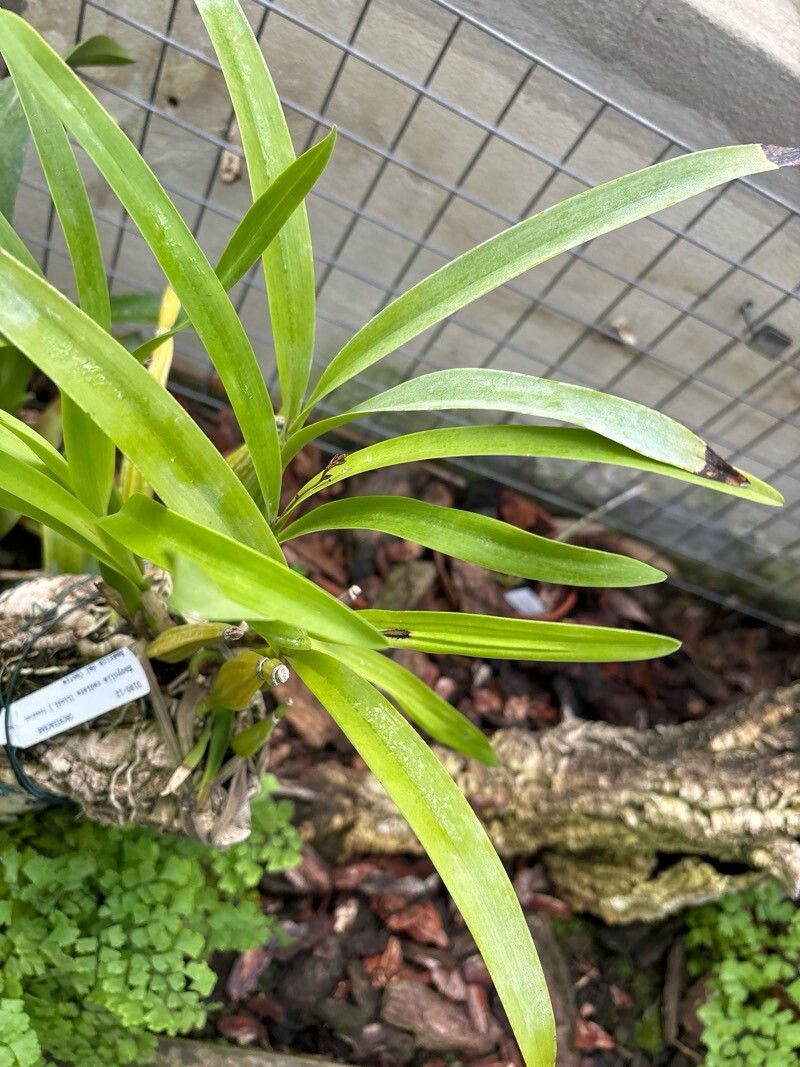
Hello fellow plant lovers! Today, we’re diving into the wonderful world of propagating Prosthechea radiata. If you’ve ever admired its striking, star-shaped flowers and delicate, starburst-like inflorescences, you know how special this orchid can be. The good news is, while it might seem a bit intimidating at first glance, propagating Prosthechea radiata is actually a very rewarding process, and I’d say it’s moderately easy – definitely achievable for a budding orchid enthusiast with a little patience.
The Best Time to Start
When it comes to Prosthechea radiata, the absolute sweet spot for propagation is during its active growth phase, which typically falls in the late spring or early summer. This is when the plant has ample energy reserves from its previous blooming cycle and is gearing up for new growth. Trying to propagate when it’s dormant or stressed is like trying to bake a cake without enough flour – it’s just not going to turn out as well.
Supplies You’ll Need
Gathering your tools before you start makes the whole process smoother. Here’s what I usually have on hand:
- Sterile pruning shears or a sharp, clean knife: Essential for making clean cuts.
- Potting medium: For Prosthechea radiata, a very well-draining orchid mix is key. Think bark chips, perlite, and a bit of sphagnum moss. You want it airy!
- Small pots or community trays: Enough to accommodate your new propagations.
- Rooting hormone (optional but helpful): A powdered or gel form can give your cuttings a little boost.
- Plastic bags or propagation domes: To create a humid microclimate for your cuttings.
- Water spray bottle: For misting.
- Identification tags: Don’t forget to label your precious new babies!
Propagation Methods
For Prosthechea radiata, the most reliable and straightforward method is division. This is essentially separating a mature plant into smaller, independent sections.
Here’s how I do it:
- Gently remove the plant from its pot. This is often the trickiest part! If it’s stubborn, try loosening the edges with your fingers or a blunt tool.
- Identify the pseudobulbs. These are the thickened, bulb-like stems at the base of the plant. Look for areas where the pseudobulbs are connected by a rhizome (the creeping stem).
- Examine for healthy growth. You want to divide the plant into sections that have at least two to three healthy pseudobulbs and some good roots attached.
- Sterilize your shears. This is crucial to prevent the spread of any diseases.
- Carefully cut through the rhizome connecting the sections you want to separate. Go slowly and try to keep as many roots intact as possible with each division.
- Inspect the cut surfaces. If there’s any sign of rot or damage, you can dust these with cinnamon powder or a fungicide as a precautionary measure.
- Pot up your divisions. Place each division into its own small pot with your fresh orchid mix, ensuring the pseudobulbs are at or slightly above the surface. Water lightly.
The “Secret Sauce” (Pro Tips)
Over the years, a few little tricks have made a world of difference for me:
- Don’t overwater initially. This is probably the biggest mistake people make with newly divided orchids. They have less root mass to take up water, so they’re more susceptible to rot. Water thoroughly once after potting, then wait until the potting medium feels almost dry before watering again. It’s more about keeping them slightly moist than soggy.
- Embrace humidity, but watch for infection. After potting, pop your divisions into those plastic bags or under domes. This creates a humid environment that encourages new root and leaf growth. However, ensure there’s some airflow to prevent fungal issues. If you see any mold or fungal growth, air it out completely and let it dry for a day or two.
- Bottom heat is your friend. If you have a heat mat designed for plant propagation, placing your pots on it can significantly speed up root development. Just ensure the mat isn’t too hot – a gentle warmth is what you’re aiming for.
Aftercare & Troubleshooting
Once your new divisions are potted, the real nurturing begins. Keep them in bright, indirect light and continue with that light watering schedule. You’re looking for signs of new root growth, which usually appears as tiny green nubs emerging from the base of the pseudobulbs. New leaf growth is also a great indicator of success.
The most common problem you might encounter is rot. If you notice a pseudobulb turns mushy and dark, it’s likely rotting. This is usually due to being kept too wet. Sadly, if rot sets in deeply, the division might not recover. Don’t be discouraged though – this is part of the learning process!
A Little Patience Goes a Long Way
Propagating any plant, especially orchids, is a journey of patience and observation. See each new division as a little miracle in the making. Enjoy the process of watching your Prosthechea radiata multiply, and soon you’ll have more of those beautiful blooms to admire. Happy growing!
Resource: