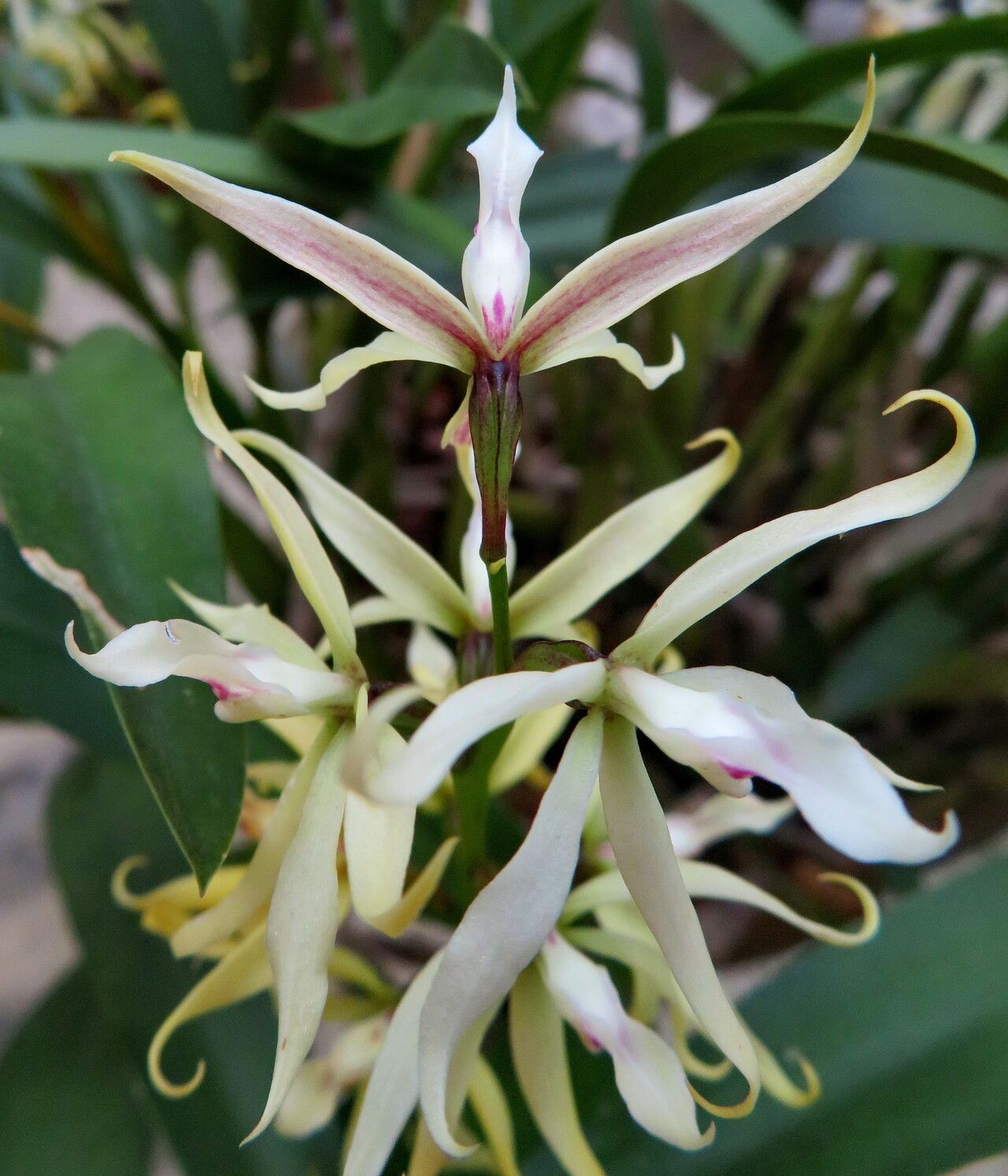
Hello fellow plant lovers! I’m so excited to talk to you today about a truly delightful orchid: Prosthechea fragrans. If you’re new to orchids, don’t let that word intimidate you. This one is a real charmer, and while it has its quirks, I think you’ll find propagating it surprisingly rewarding. It’s a plant that fills your space with a beautiful, sweet fragrance, and creating more of them just doubles the joy!
The Best Time to Start
For Prosthechea fragrans, the best time to think about propagation is when the plant is actively growing. This usually means spring and early summer, after the plant has finished its blooming cycle and is putting out new shoots or “keikis” (baby plants). You want to work with a healthy, vigorous plant for the best chance of success.
Supplies You’ll Need
To get your propagation station ready, gather these items:
- Clean, sharp pruning shears or a sterile knife
- A well-draining potting mix. For orchids like this, I love a mix of orchid bark, perlite, and a little bit of sphagnum moss. You want it to dry out reasonably quickly.
- A small pot or community tray with drainage holes.
- Optional: Rooting hormone (in powder or liquid form) – this can give new cuttings a nice boost.
- A watering can or spray bottle for gentle watering.
- A clear plastic bag or a propagator lid to create a humid environment.
Propagation Methods
Prosthechea fragrans is most commonly propagated through division or by taking keikis. Let’s dive into those.
Division
This is my go-to method because it’s often the most straightforward.
- Assess your plant: Look for a mature plant that has multiple pseudobulbs (those swollen stem-like structures). You’re essentially dividing a mature clump into smaller, independent plants.
- Gently remove the orchid from its pot. You might need to loosen the soil around the edges.
- Clean off excess old potting mix. You want to see the rhizome (the creeping stem that connects the pseudobulbs) clearly.
- Identify natural breaks. Look for where the rhizome naturally connects sections of the plant. You want to divide it so that each new division has at least 2-3 healthy pseudobulbs and some healthy roots.
- Use your clean shears or knife to carefully cut through the rhizome. If the plant is very old and tough, you might even be able to gently pull it apart.
- Inspect each division. Make sure it looks healthy and has a good root system. If any roots look mushy or dead, trim them away.
- Pot up each division. Use your orchid mix in a clean pot, ensuring the base of the pseudobulbs is at the soil surface. Water gently.
- Place in a shaded, humid spot. Keep them out of direct sun and mist them regularly until they show signs of new growth.
Keikis (Baby Plants)
Sometimes, Prosthechea fragrans will produce little plantlets, called keikis, right on the mother plant. These are a gardener’s gift!
- Wait for the keiki to develop. You’ll know it’s ready to be separated when it has its own roots (at least an inch or two long) and a few small leaves.
- Carefully inspect the base of the keiki where it attaches to the mother plant.
- Using your sterilized knife or shears, make a clean cut to separate the keiki from the parent plant, ensuring you take some of its roots with it.
- Pot up the keiki in a small pot with orchid mix, just like you would with a division.
- Provide a humid environment. Covering the pot with a clear plastic bag (making sure the leaves don’t touch the sides) or placing it in a propagator will help it establish. Keep it out of direct sun.
The “Secret Sauce” (Pro Tips)
Here are a couple of things I’ve learned over the years that really make a difference:
- Sterilization is key! I can’t stress this enough. Before you make any cuts, make sure your tools are sparkling clean. I usually wipe them with rubbing alcohol or a bleach solution and rinse thoroughly. This prevents nasty fungal or bacterial infections from taking hold in your fresh cuts.
- Don’t over-pot. When you pot up divisions or keikis, resist the urge to put them in a huge pot. A pot that’s slightly too large will hold too much moisture, which can lead to root rot. A snug pot is often what young orchids prefer.
Aftercare & Troubleshooting
Once your new Prosthechea fragrans babies are potted, give them a few days to settle before their first watering. When you do water, do so gently. Aim to keep the potting mix consistently moist but not soggy. Misting the leaves and the surface of the potting mix daily is a good practice until you see new growth.
Keep an eye out for signs of trouble. The most common issue is root rot, which looks like mushy, dark roots, or yellowing and wilting leaves. This often happens if the potting mix stays too wet or if there’s poor air circulation. If you see this, you’ll need to repot, trim away the rotten roots, and possibly use a fresh, drier potting mix. Browning or blackening at the cut point, especially after division, might indicate a fungal issue. A light dusting of cinnamon can sometimes help dry out small cuts.
A Encouraging Closing
Propagating Prosthechea fragrans is a journey of patience and observation. Don’t be discouraged if your first attempt isn’t perfect. Even experienced gardeners have their ups and downs! The joy of watching a tiny keiki grow into a fragrant bloom is truly special. So, grab your tools, find a healthy plant, and enjoy the process of bringing more of this wonderful orchid into your life. Happy growing!
Resource: