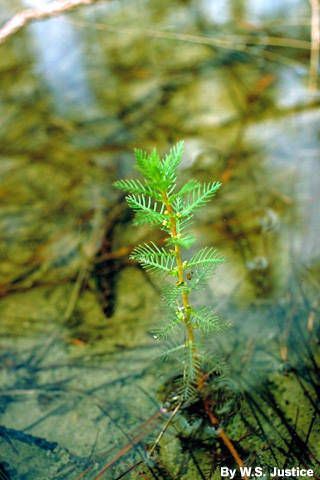
Hello fellow plant enthusiasts! Today, we’re diving into the wonderful world of Proserpinaca pectinata, often called Mermaid’s Fan or Comb Frogbit. This delicate aquatic plant, with its intricate, feather-like leaves, adds such a unique and captivating texture to any underwater landscape. Watching those tiny leaves unfurl is a real joy, and propagating ityourself? It’s incredibly satisfying and surprisingly achievable. While it might seem a bit finicky at first glance, with a little guidance, you’ll be amazed at how readily it makes new babies!
The Best Time to Start
Honestly, the magic happens when your mermaid’s fan is actively growing. Think spring and summer. This is when the plant has the most energy to put into making roots. You’ll see vigorous new shoots appearing, and that’s your cue. Don’t even think about trying it in the dead of winter when everything is slowing down.
Supplies You’ll Need
Here’s what you’ll want to have on hand before you get started:
- Sharp Pruning Shears or Scissors: Cleanliness is key to preventing disease.
- Rooting Hormone (Optional but Recommended): A little boost can speed things up. Look for one formulated for stem cuttings.
- Small Pots or Propagation Trays: Whatever you’ll plant your cuttings in.
- A Good Substrate: For potted cuttings, a mix of sphagnum moss and fine sand works wonders. It holds moisture without becoming waterlogged.
- Clean Water Source: Dechlorinated is best if you’re doing water propagation.
- A Spray Bottle: For keeping things humid.
Propagation Methods
Let’s get our hands a little wet!
Stem Cuttings (My Favorite!)
This is the most common and reliable method for Proserpinaca pectinata.
- Select a Healthy Stem: Look for a piece of the plant that’s at least 2-3 inches long and has several sets of leaves. Avoid any stems that look yellow or damaged.
- Make a Clean Cut: Use your sharp shears to cut the stem just below a leaf node. A leaf node is where a leaf grows from the stem – that’s where the magic happens and roots will emerge.
- Prepare the Cutting: Gently remove the lower leaves from the bottom inch or so of the cutting. This prevents them from rotting once submerged.
- Dip in Rooting Hormone (If Using): Lightly dip the cut end into your rooting hormone powder or gel. Tap off any excess.
- Plant or Pot:
- For Substrate Planting: Gently press the cut end into your prepared sphagnum moss and sand mix. Make sure the leaf nodes you removed the leaves from are buried.
- For Water Propagation: Place the cutting in a clean glass or jar of water. Ensure the submerged leaf nodes are below the water’s surface.
Water Propagation (Super Easy to Watch!)
This is almost the same as the stem cutting method, but we’re skipping the substrate initially.
- Follow Steps 1-3 from Stem Cuttings.
- Place in Water: Put your prepared cutting into a small container of dechlorinated water. Make sure the leaf nodes are submerged, but crucially, don’t let the upper leaves touch the water. They’ll rot quickly.
- Change Water Regularly: Refresh the water every few days to keep it clean and oxygenated.
The “Secret Sauce” (Pro Tips)
Alright, lean in, I’ve got a couple of tricks up my sleeve for you.
- The Gentle Pinch: When you’re preparing your cuttings, don’t be afraid to gently pinch the very tip of the main stem. This actually encourages the plant to branch out, giving you more potential cutting material down the line and a bushier plant.
- Humidity is Happiness: Proserpinaca pectinata loves a humid environment, especially when it’s trying to root. If you’ve potted your cuttings, Cover the pot with a clear plastic bag or dome to create a mini-greenhouse. Just make sure to open it for a few minutes each day to allow for air circulation and prevent mold.
- Substrate is Your Best Friend for Longevity: While water propagation is great for watching roots develop, cuttings planted in the sphagnum moss and sand mix tend to have a higher success rate for long-term survival. They develop a more robust root system more quickly and are less prone to shock when being transferred.
Aftercare & Troubleshooting
Once you start seeing tiny white roots emerging from the stem, congratulations! You’re on your way.
- For Substrate Cuttings: Keep the substrate consistently moist but not soggy. A gentle misting with your spray bottle every day or two is usually perfect. Once the roots are well-established (meaning you can’t easily pull the cutting out), you can start introducing a very diluted liquid fertilizer.
- For Water Propagation: Once the roots are a good inch or so long, you can carefully transplant your cutting into a pot with the substrate mix mentioned earlier. Again, keep it moist and humid.
Now, what if things go wrong? The most common culprit is rot. If your cutting turns mushy and black, that’s usually a sign of too much moisture and not enough air circulation, or the leaves were sitting in water for too long. Don’t be discouraged! Just toss the rotten bit and try again. Another sign is no root development at all. This could mean the cutting wasn’t viable, the water wasn’t clean, or it’s just too cold.
A Encouraging Closing
Propagating Proserpinaca pectinata is a journey of patience and observation. Don’t be afraid to experiment and learn from each attempt. The sheer beauty of this plant makes it all worthwhile, and soon you’ll have a whole collection of your own little mermaid’s fans to enjoy. Happy planting!
Resource:
https://identify.plantnet.org/k-world-flora/species/Proserpinaca%20pectinata%20Lam./data