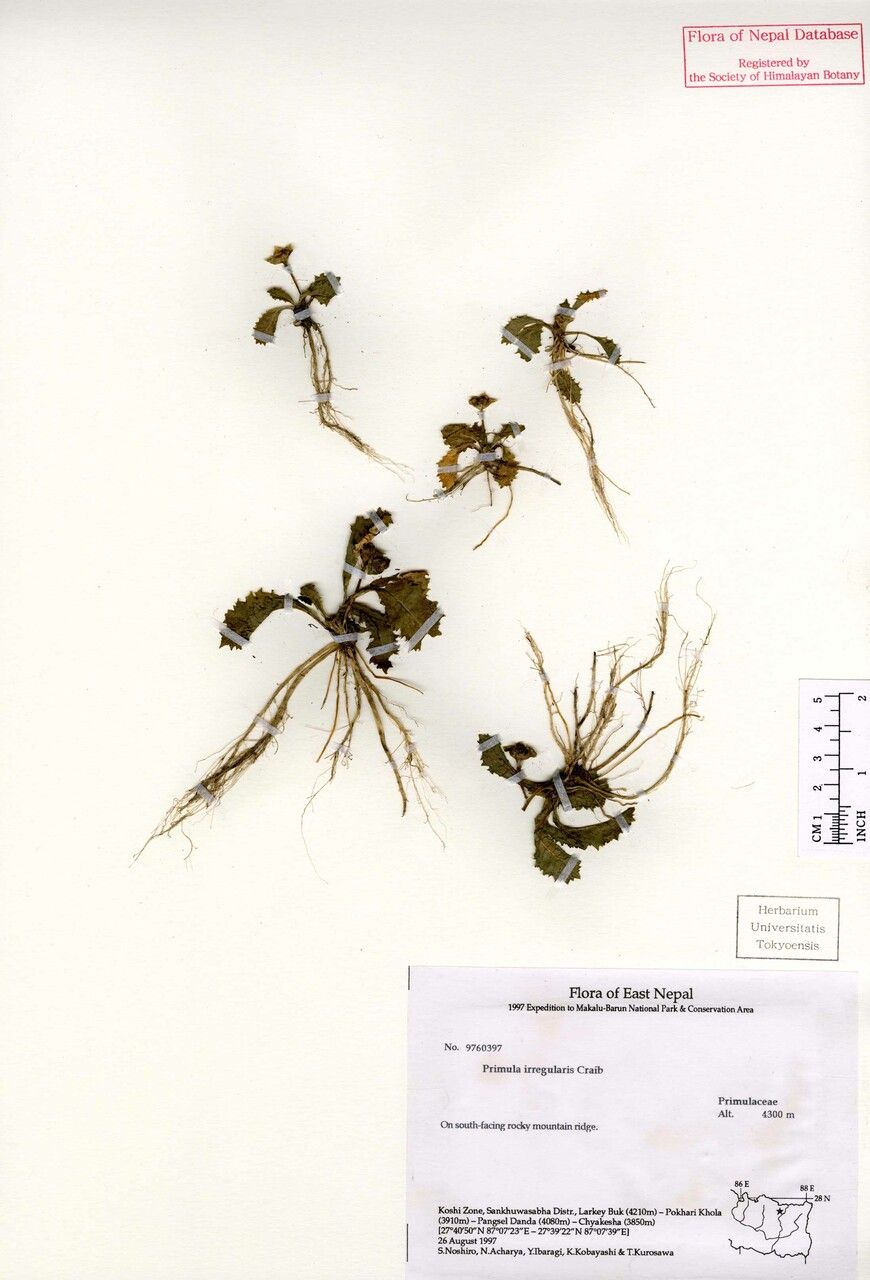
Oh, hello there! It’s so lovely to have you join me today. We’re going to dive into something truly delightful: propagating Primula irregularis. If you’ve ever been captivated by those wonderfully ruffled, cheerful blooms that seem to just sing of spring, you’re in for a treat. Bringing new life from your existing plants is one of the most rewarding joys of gardening, and with Primula irregularis, it’s a journey that’s definitely achievable. For beginners, I’d say this particular primrose falls into the “moderately easy” category. It might take a little patience, but the results are so worth it!
The Best Time to Start
For the highest success rate with Primula irregularis, I find late spring to early summer, after the plant has finished its main flowering flush, is absolutely perfect. The plant has built up good energy reserves and will be eager to put on new growth. Alternatively, early autumn, before the really cold weather sets in, can also work well, giving the new propagations a chance to establish before winter.
Supplies You’ll Need
Gathering your supplies beforehand makes the whole process so much smoother. Here’s what you’ll want to have on hand:
- Sharp pruning shears or a clean, sharp knife: For making clean cuts.
- Well-draining potting mix: I like a blend of equal parts peat-free compost, perlite, and a bit of sharp sand. This ensures good aeration and prevents waterlogging.
- Small pots or seed trays: Clean ones, please! Sterilizing old pots with a bleach solution is a good idea to prevent disease.
- Labels and a marker: To keep track of what you’ve propagated.
- Watering can or mister: For gentle watering.
- Rooting hormone (optional, but recommended for cuttings): A powdered or gel form works well.
- A plastic bag or propagation dome: To maintain humidity.
Propagation Methods
While Primula irregularis can be grown from seed, I find propagation through division to be the most straightforward and reliable for home gardeners.
Division
This is essentially splitting your established clump into smaller sections.
- Gently unpot your mature primula. You might need to loosen the soil around the edges with a trowel to help it slide out.
- Inspect the root ball. You’ll usually see distinct crowns or rosettes of leaves emerging from the main root system.
- Carefully separate the divisions. You can often do this with your hands, gently teasing the roots apart. If the roots are tightly bound, use your clean pruning shears or knife to cut through them. Aim for each division to have at least one healthy crown and a good portion of roots.
- Pot up each division. Use your well-draining potting mix in small pots or trays. Plant them so the base of the crown is just at the soil surface.
- Water gently. Water thoroughly after potting to help settle the soil around the roots.
The “Secret Sauce” (Pro Tips)
Now, for a couple of little tricks I’ve picked up over the years that can really give your propagations a boost:
- Don’t be afraid to trim the leaves. If you’re dividing and a division has a lot of foliage, it can sometimes be helpful to trim back about a third of the leaf material. This reduces water loss from the leaves while the roots are still getting established.
- Bottom heat is your friend. For any propagation, placing your pots on a heated propagator mat can make a world of difference. It encourages root development from below without overheating the delicate shoots above. You can often find these relatively inexpensively online.
Aftercare & Troubleshooting
Once your divisions are potted up, give them a good drink and then place them in a bright spot with indirect light. Avoid direct sun, which can scorch tender new growth. Keep the soil consistently moist but not soggy. This is key.
The biggest pitfall you’ll encounter is rot, often caused by overwatering or poor drainage. If you notice leaves yellowing and turning mushy, or if the stem base looks dark and soft, it’s usually a sign of too much moisture. In this case, try to improve drainage, maybe by adding a little more perlite to the pot, and let the soil dry out slightly more between waterings. Look for signs of new growth – tiny new leaves emerging from the crown – these indicate that roots are forming and your plant is settling in nicely.
And that’s really all there is to it! Propagation is a journey of observation and a bit of patience. Don’t get discouraged if not every single attempt is a roaring success. The process itself is incredibly rewarding, and soon you’ll have a windowsill or garden bursting with these beautiful Primula irregularis. Happy propagating!
Resource:
https://identify.plantnet.org/k-world-flora/species/Primula%20irregularis%20Craib/data