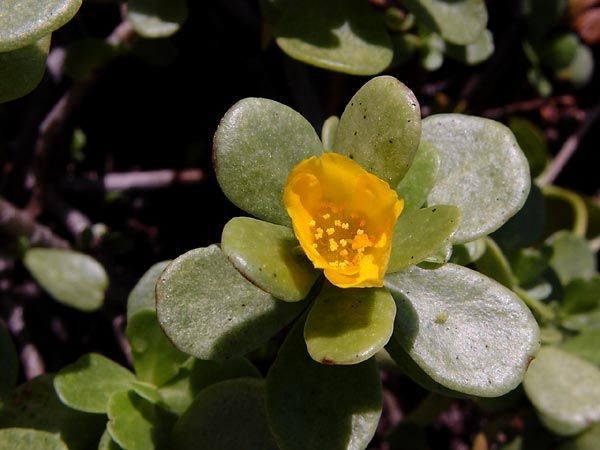
Hello fellow garden enthusiasts! It’s lovely to be sharing my passion with you today. Have you ever admired those vibrant splashes of color in a sunny garden, the ones that seem to just glow with life? Chances are, you’ve encountered Portulaca lutea, also known as the common purslane or moss rose. This cheerful succulent is a sun-worshiper with a knack for spreading out and filling in those tricky dry spots with its eye-catching blooms.
Propagating Portulaca lutea is such a rewarding endeavor. You get to multiply the joy of these beautiful plants for free! And the best part? If you’ve ever felt a little intimidated by plant propagation, you’ll be delighted to know that Portulaca lutea is wonderfully beginner-friendly. Seriously, even if your thumb is more of a pale green, you can do this!
The Best Time to Start
For the highest success rate with Portulaca lutea, aim to propagate during its active growing season. This generally means late spring through summer. When the weather is warm and sunny, your cuttings will have the best chance to root quickly. I usually find myself taking cuttings after my plants have had a good flush of growth and flowering.
Supplies You’ll Need
Here’s a little kit to get you started. Gather these items, and you’ll be well on your way:
- Clean, sharp pruning shears or scissors: Essential for taking clean cuttings.
- A well-draining potting mix: I love a succulent or cactus mix. You can also make your own by combining regular potting soil with perlite or coarse sand.
- Small pots or trays: Seedling pots, empty yogurt cups with drainage holes, or even repurposed containers will work.
- Rooting hormone (optional but helpful): While Portulaca lutea often roots easily without it, a little rooting hormone can speed things up and increase success.
- A spray bottle: For misting.
- A sunny windowsill or propagation mat: A warm spot is key.
Propagation Methods
Portulaca lutea is a champ at propagating, and I find two methods to be incredibly effective:
1. Stem Cuttings: My Go-To Method
This is by far my favorite way to get more purslane. It’s so simple and effective!
- Take your cuttings: Select healthy stems that are at least 3-4 inches long. Using your clean shears, make a cut just below a leaf node (where a leaf attaches to the stem). You can take several cuttings from one healthy plant.
- Prepare the cuttings: Gently remove the lower leaves from the bottom inch or two of each cutting. This area will be going into the soil.
- Let them callous: This is a small but important step! Lay your cuttings out on a dry surface in a well-lit area (but out of direct sun) for 24-48 hours. This allows them to form a protective callus over the cut end, which helps prevent rot.
- Plant your cuttings: Dip the calloused end of each cutting into rooting hormone, if you’re using it. Then, gently insert the cut end into your prepared potting mix. Don’t pack the soil too tightly.
- Water and wait: Lightly water the soil. You want it to be moist but not waterlogged. Place your pots in a very sunny spot.
2. Water Propagation: A Visual Treat
Watching roots emerge in water is always a thrill!
- Take cuttings: Follow the same steps as for stem cuttings, making sure to remove the lower leaves.
- Place in water: Put the cuttings in a jar or glass of water, ensuring that no leaves are submerged. Submerged leaves will quickly rot. Just the cut ends should be in the water.
- Position and wait: Place your jar in a bright spot, away from direct, intense sunlight. Change the water every few days to keep it fresh. You should see tiny white roots appearing within a week or two.
- Pot up: Once the roots are about an inch long, you can carefully transplant your cuttings into pots filled with your well-draining potting mix. Water gently.
The “Secret Sauce” (Pro Tips)
Now, let me share a couple of tricks I’ve learned over the years that really boost success:
- Bottom Heat is Your Friend: Portulaca lutea absolutely loves warmth. If you can, place your pots on a propagation mat or even on top of a gently warm appliance (like a router that’s been on for a while). This gentle nudge of heat from below can significantly speed up root development, especially if your ambient temperatures are a bit cooler.
- Don’t Overwater the Cuttings: This is crucial, especially if you’re planting directly into soil. Succulents, and Portulaca lutea is one, are prone to rot when their cuttings are kept too wet. I like to let the top inch of soil dry out slightly between waterings. A misting from the spray bottle can often be enough to keep the humidity up without soaking the soil.
Aftercare & Troubleshooting
Once you see signs of new growth – tiny leaves unfurling or the plant looking a bit more established – you know roots are forming!
- Gradual Acclimation: If your cuttings were in a humid environment (like under a plastic dome), gradually expose them to drier air over a few days.
- Sun Loving: As your new Portulaca lutea plants grow, they’ll want all the sun you can give them! Gradually move them to their permanent sunny location.
- Watering: Continue to water when the soil feels dry to the touch. Remember, they are succulents, so they prefer to dry out a bit between waterings.
Troubleshooting: The most common issue you’ll encounter is rot, which usually happens when cuttings are kept too wet or don’t have enough air circulation. If you see a cutting turning black and mushy at the base, unfortunately, it’s best to discard it. Take more cuttings from your healthy parent plant and try again, paying close attention to watering and air circulation. Sometimes, lack of rooting can just be down to patience, especially if the temperatures aren’t quite warm enough.
A Encouraging Closing
So there you have it! Propagating Portulaca lutea is a simple joy. Don’t be discouraged if your first few attempts aren’t perfect; every gardener learns as they go. Be patient, observe your plants, and most importantly, enjoy the process of bringing more of these colorful beauties into your garden. Happy propagating!
Resource:
https://identify.plantnet.org/k-world-flora/species/Portulaca%20lutea%20Sol.%20ex%20G.Forst./data