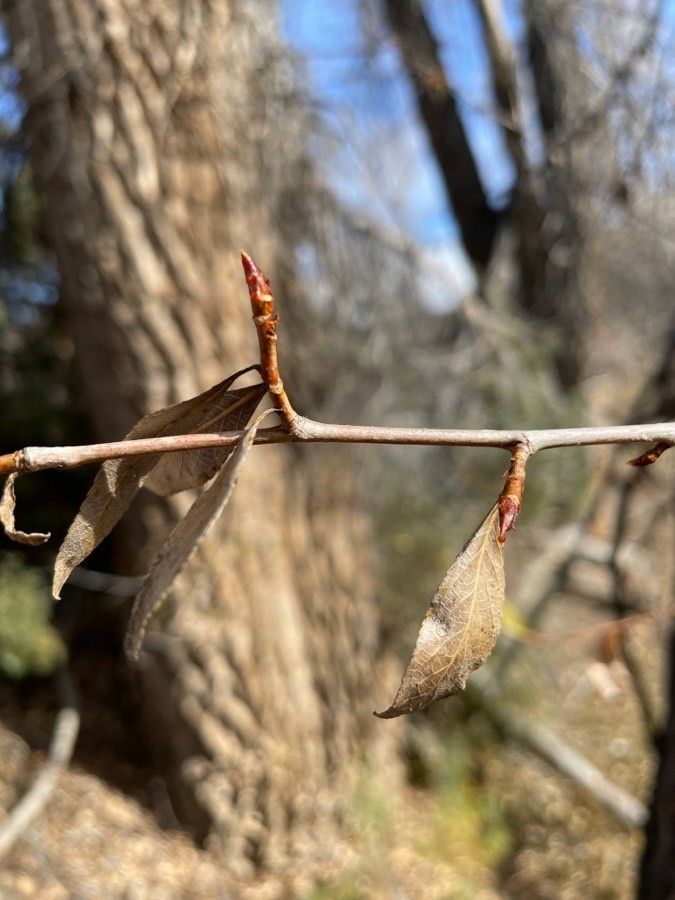
Hello there, fellow plant enthusiasts! Today, we’re diving into the wonderful world of Populus angustifolia, also known as the narrowleaf cottonwood. If you’re drawn to its graceful, lance-shaped leaves and the way it seems to shimmer in the breeze, you’re not alone. I’ve spent years admiring these beauties, and let me tell you, propagating them yourself is incredibly rewarding. It’s a project that’s quite accessible, even for those of you who are just starting out on your green-thumb journey.
The Best Time to Start
For the highest success rates with Populus angustifolia, I always recommend taking cuttings in late spring or early summer. This is when the plant is actively growing and has plenty of energy to put into root development. You can also try in early fall, but the spring/summer window is generally more forgiving.
Supplies You’ll Need
Here’s what you’ll want to have on hand before you begin:
- Sharp pruning shears or a clean knife: For making precise cuts.
- Rooting hormone (optional but recommended): A powder or gel.
- Potting mix: A well-draining blend is crucial. I like a mix of peat moss, perlite, and a little bit of sand. Aim for something that won’t stay soggy.
- Small pots or containers: Clean and with drainage holes.
- Plastic bags or rooting boxes: To create a mini-greenhouse effect.
- Water: For hydrating your cuttings.
Propagation Methods
Let’s talk about how we’ll create new babies! The most straightforward method for Populus angustifolia is stem cuttings.
- Select your cuttings: Look for healthy, vigorous stems on your established tree. Aim for pieces that are about 6 to 8 inches long. Make your cuts just below a leaf node (where a leaf attaches to the stem). Remove any leaves from the bottom half of the cutting.
- Prepare the cutting: If you’re using rooting hormone, dip the cut end of the stem into it, tapping off any excess.
- Plant your cuttings: Fill your pots with your prepared potting mix. Make a hole in the center with your finger or a small stick. Gently insert the cut end of your cutting into the hole, ensuring that at least one leaf node is buried in the soil. Firm the soil around the stem.
- Water them in: Water your cuttings thoroughly until you see water drain from the bottom of the pot.
- Create a humid environment: Cover the pot loosely with a plastic bag or place it in a propagation box. This will help retain moisture. Make sure the leaves aren’t touching the plastic if possible – that can lead to rot.
The “Secret Sauce” (Pro Tips)
Now, for a few little tricks I’ve learned over the years that can make a big difference:
- Bottom Heat is Your Friend: If you have a heat mat designed for seedlings, placing your pots on it provides gentle warmth to the soil. This encourages faster root development, almost like giving your cuttings a cozy little foot rub!
- Don’t Be Afraid to “Wound” Them: For slightly tougher wood cuttings (though Populus angustifolia is usually pretty cooperative), you can carefully make a small vertical slit, about an inch long, on one side of the bottom portion of the cutting, just above the cut end. This can expose more surface area for roots to form.
- Keep an Eye on Moisture (but don’t overwater!): The soil should feel consistently moist, like a wrung-out sponge, but never waterlogged. Overwatering is the quickest way to invite rot. Stick your finger in the soil; if it feels dry an inch down, it’s time to water.
Aftercare & Troubleshooting
Once your cuttings have been in their pots for a few weeks, you can start to gently tug on them. If you feel resistance, it means roots are forming! Keep them in their humid environment and gradually introduce them to more direct light. Once they’ve developed a good root system and you see new growth, you can transplant them into larger individual pots.
The most common sign of trouble you might see is wilting that doesn’t perk up after watering, or soft, mushy stems near the soil line. This is usually a sign of rot, often caused by too much moisture or poor air circulation. If you see this, unfortunately, that cutting is likely lost. Don’t get discouraged; just try again with fresh material and better drainage. Brown, crispy leaf tips can sometimes indicate it’s too dry, so reassess your watering.
A Little Patience Goes a Long Way
Propagating plants is a journey, not a race. Not every cutting will take, and that’s perfectly okay. The magic is in the process, in watching something grow from a simple piece of stem into a new, thriving plant. So grab your shears, get your hands dirty, and enjoy the satisfying feeling of creating life. Happy gardening!
Resource:
https://identify.plantnet.org/k-world-flora/species/Populus%20angustifolia%20E.James/data