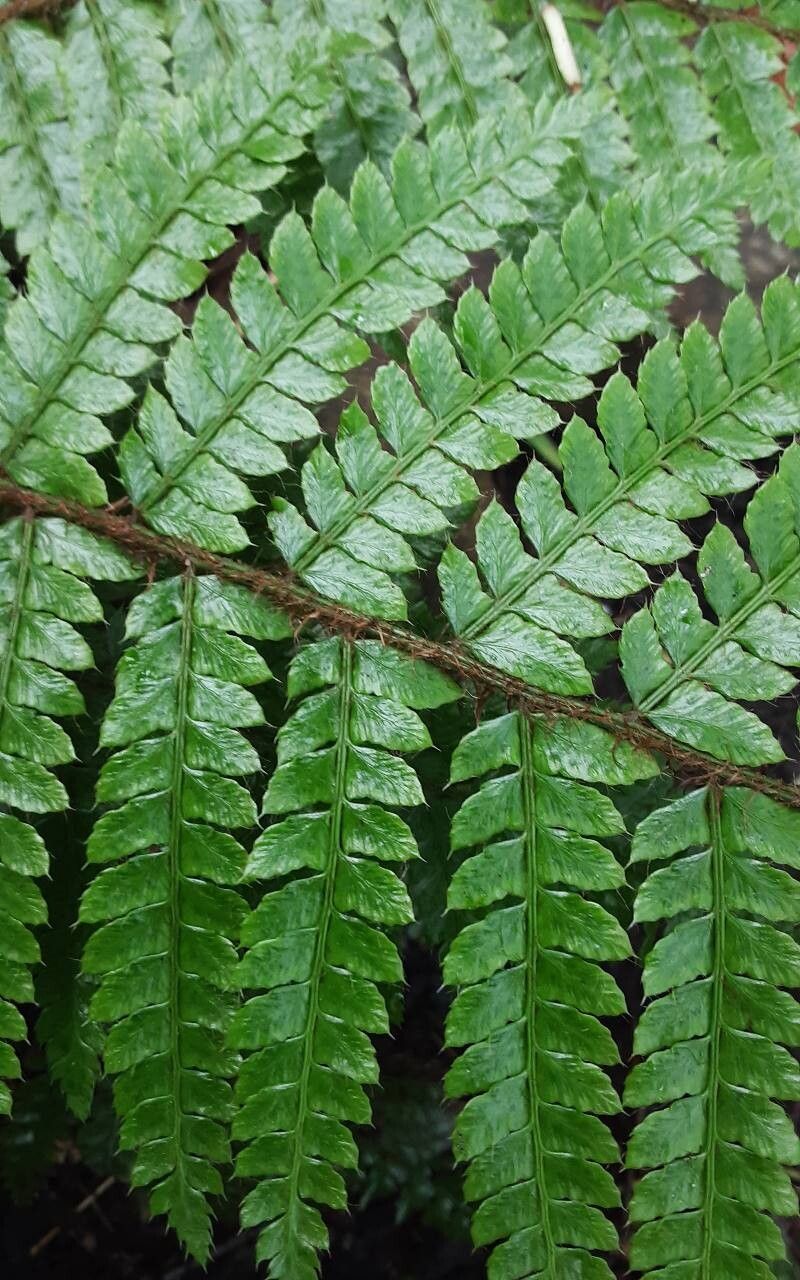
Oh, hello there! It’s so lovely to have you join me today. We’re going to dig into something truly special: Polystichum polyblepharon, or as I affectionately call it, the Japanese Tassel Fern. If you’ve ever admired that gorgeous, unfurling frond, that delicate, almost feathery texture, then you’re in for a treat. Propagating these beauties is a wonderful way to fill your garden with their elegance, and honestly, it’s far more rewarding than you might think. Now, for beginners, I’d say it’s moderately easy – a little patience goes a long way with ferns, but with these tips, you’ll be well on your way.
The Best Time to Start
For our Tassel Ferns, the sweet spot is definitely late spring to early summer. This is when the plant is in its most active growth phase. You’ll see those new fiddleheads emerging, full of life and ready to get going. Starting then means the new divisions or cuttings have the entire growing season to establish themselves before cooler weather arrives.
Supplies You’ll Need
Gathering your tools beforehand makes the whole process smoother. Here’s what I like to have on hand:
- Sharp, clean pruning shears or a knife: For making precise cuts.
- A well-draining potting mix: I love a blend of peat moss, perlite, and a bit of compost. Ferns hate soggy feet.
- Small pots or seedling trays: Whatever suits your space and the size of your divisions.
- Dibber or a sturdy stick: To make holes for planting.
- (Optional) Rooting hormone: While not always strictly necessary for this fern, it can give a little boost.
- A spray bottle: For misting.
- Labels and a marker: Because trust me, you’ll forget what you planted where!
Propagation Methods
For Polystichum polyblepharon, the most reliable and satisfying method is division. This fern produces clumps that naturally want to expand.
- Prepare Your Parent Plant: Gently water your mature Tassel Fern a day or two before you plan to divide. This helps the soil cling to the roots, making extraction easier and reducing stress.
- Excavate with Care: Carefully remove the entire fern from its pot or gently dig around it in the garden. You want to disturb the roots as little as possible.
- Gently Separate: Now for the fun part! Look for natural breaks in the root ball. You can often gently pull the clumps apart with your hands. If it’s a bit stubborn, use your clean pruning shears or knife to make a clean cut through the rhizomes (the horizontal stems at the base). The key here is to ensure each division has plenty of healthy roots and at least a few fronds or growing points.
- Pot Up Your New Friends: Fill your clean pots with your prepared potting mix. Make a hole in the center with your dibber or stick.
- Plant with Purpose: Place each division into the hole, spreading out the roots gently. Backfill with soil, firming it lightly around the base. The top of the root ball should be level with the soil surface.
The “Secret Sauce” (Pro Tips)
Here are a couple of things I’ve learned over the years that make a real difference:
- Don’t Over-Divide: It’s tempting to make as many plants as possible, but remember that each division needs enough energy to establish. Resist the urge to split a clump into tiny pieces. Aim for divisions that are a decent size, with a good balance of roots and foliage.
- Misting is Your Best Friend: Ferns absolutely adore humidity! Once you’ve potted up your divisions, give them a good misting. Then, continue to mist them daily, especially in the first few weeks. This helps them recover from the shock of division and encourages new growth.
Aftercare & Troubleshooting
Once your new Tassel Ferns are potted, place them in a shady spot with bright, indirect light. Avoid direct sun at all costs – it will scorch those tender new fronds. Keep the soil consistently moist but never soggy. Think of it like a wrung-out sponge.
The most common issue you might encounter is root rot, which happens if the soil stays too wet. You’ll notice the fronds turning brown and mushy, often starting from the base. If you see this, lift the division out of the pot, inspect the roots, and trim away any mushy, black ones. Repot into fresh, drier soil and be much more judicious with watering. Patience is key; new growth might take a few weeks to appear.
A Little Encouragement to End
Propagating these lovely ferns is such a satisfying journey. Don’t be discouraged if a division takes its time to show new life. Just keep them in their ideal conditions, give them that gentle mist, and trust the process. Before you know it, you’ll have a whole collection of these elegant beauties to enjoy. Happy gardening!
Resource: