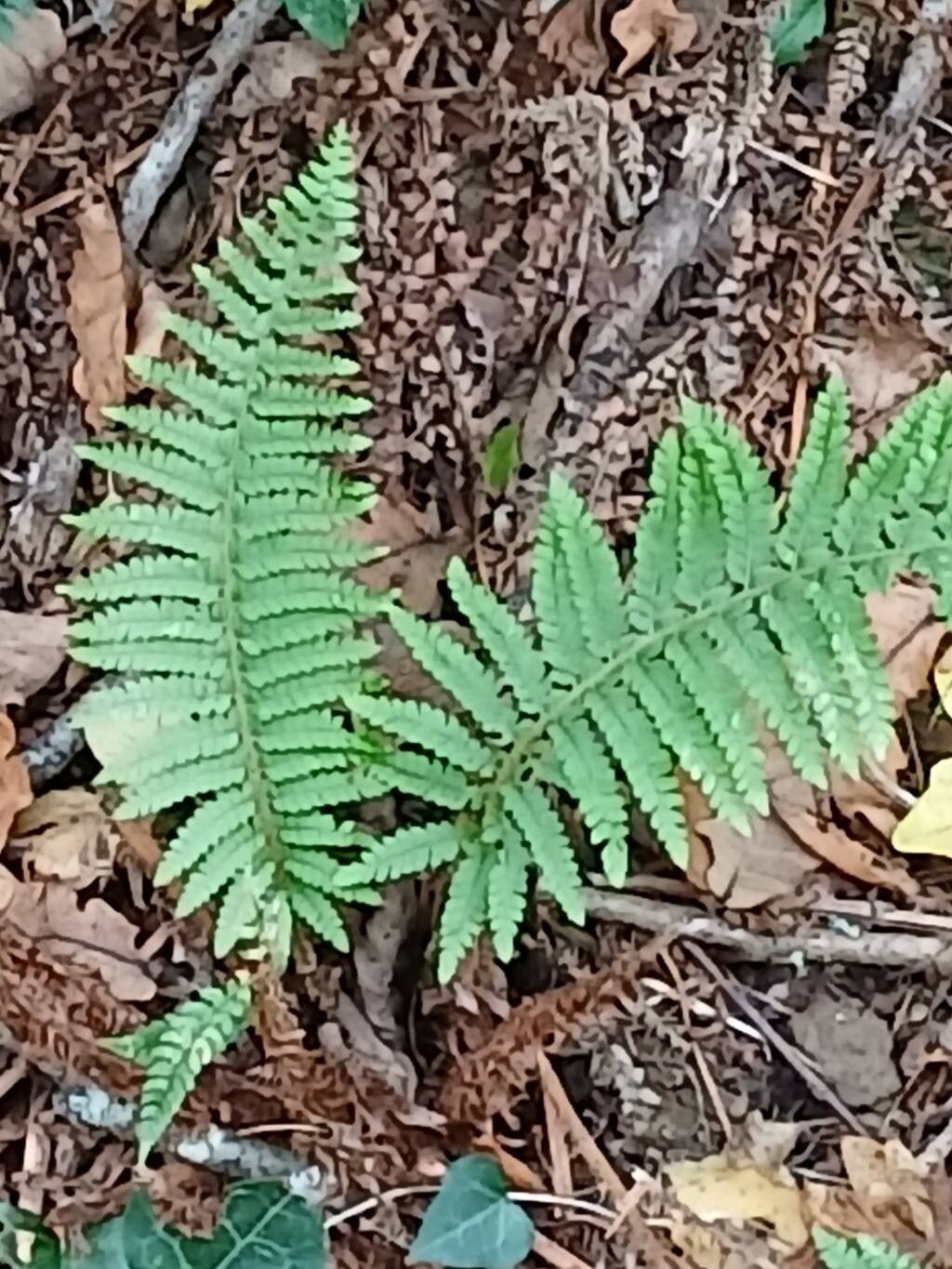
Hello, fellow plant lovers! I’m so excited to talk to you today about a truly special fern: Polystichum dudleyi, or Dudley’s Sword Fern. If you’re looking for a fern that brings a touch of the wild, woodland charm to your shady spots, this is it. Its fronds are a gorgeous, deep green, almost architectural in their form, unfurling with a elegance that just makes you smile.
Propagating plants is one of my favorite gardening joys. It’s like unlocking a little bit of nature’s magic, and it’s incredibly rewarding to nurture a tiny piece of life into a new, flourishing plant. Now, for Polystichum dudleyi, I’d say it’s a rewarding endeavor, but maybe not the absolute easiest for a complete beginner. It requires a bit of patience and attention to detail, but with these steps, you’ll be well on your way.
The Best Time to Start
For the highest success rate with Polystichum dudleyi, spring is your golden ticket. As the plant begins its vigorous new growth phase after winter, you’ll have plenty of healthy material to work with. Aim for a time when the weather is warming up consistently, but before the peak heat of summer arrives. This gives your new propagations a good long growing season to establish themselves.
Supplies You’ll Need
Here’s what I always have on hand when I’m propagating ferns:
- Sharp, clean pruning shears or a sharp knife: Essential for making clean cuts.
- Well-draining potting mix: I like a blend of peat moss, perlite, and a bit of compost. You can also find specific fern potting mixes.
- Small pots or trays: Depending on your chosen method, anything from 3-4 inch pots to propagation trays will work. Make sure they have drainage holes!
- Labels and a waterproof marker: Crucial for keeping track of what you’ve planted!
- Misting bottle: For keeping humidity levels up.
- Optional: Rooting hormone: While not always strictly necessary for ferns, it can give a helpful boost.
- Optional: Clear plastic bag or propagation dome: To create a mini-greenhouse effect.
Propagation Methods
Polystichum dudleyi is best propagated through division and, if you’re feeling adventurous, spore propagation. Let’s dive into division first, as it’s the most accessible.
Division
This is my go-to method for mature ferns. It’s like giving your established plant a haircut and getting a bonus for your efforts!
- Prepare Your Plant: Gently remove your Polystichum dudleyi from its pot. If it’s in the ground, carefully dig around the root ball.
- Inspect the Roots: You’re looking for distinct crowns or sections where new growth is emerging. The goal is to divide the plant into smaller pieces, each with its own healthy roots and at least one or two fronds.
- Make the Cut: Using your clean pruning shears or knife, carefully slice through the root ball and rhizome (the thick, horizontal stem at the base of the fern) to separate the divisions. Don’t be afraid to be decisive, but be gentle with the roots.
- Pot Up Your Divisions: Plant each division in its own pot filled with your prepared potting mix. Ensure the top of the root ball is level with the soil surface.
- Water Gently: Water thoroughly but avoid waterlogging the soil.
Spore Propagation (For the Enthusiast!)
This method takes considerably longer and requires more precision, but it’s truly fascinating to watch ferns grow from the ground up.
- Collect Spores: Look for sori (brown clusters) on the underside of mature fronds. Harvest a frond with well-developed sori. Let it dry in a paper bag for a few days, shaking it gently to release the spores.
- Prepare a Spore Bed: Use a shallow, sterilized tray filled with a fine, sterile medium like peat moss and perlite. Moisten it thoroughly until it’s damp but not soggy.
- Sow the Spores: Lightly sprinkle the collected spores over the surface of the medium. Do not cover them with soil.
- Cover and Maintain: Cover the tray with a clear lid or plastic wrap to create a humid environment. Place it in a bright spot out of direct sunlight. Keep the medium consistently moist by misting.
- Patience is Key: You’ll first see tiny green structures called gametophytes emerge. After several weeks or months, baby sporophytes (tiny ferns) will appear.
The “Secret Sauce” (Pro Tips)
- The Water Trick for Divisions: When you pot up your divisions, I like to don’t let the fronds touch the soil. Sometimes, fronds sitting directly on damp soil can lead to rot. I often trim back any damaged or overly large fronds to conserve the plant’s energy for root development.
- Bottom Heat for Spores: If you’re going the spore route, and especially if your home is a bit on the cooler side, using a heat mat can significantly speed up germination and the development of gametophytes. Just a gentle warmth is all they need.
- Humidity Heroes: Ferns love humidity. For both division and spore propagation, keeping the environment consistently humid is crucial. A plastic bag tent or a well-closed propagation dome is your best friend. Just remember to vent it occasionally to prevent fungal issues.
Aftercare & Troubleshooting
Once your divisions have settled in, or your baby ferns start to show themselves, continue to provide them with bright, indirect light and consistent moisture. Avoid letting the soil dry out completely, but also avoid waterlogged conditions.
The most common sign of failure is rot. If you see mushy stems or browning, wilting fronds that feel limp rather than crisp, it’s often a sign of too much moisture and poor air circulation. For divisions, if rot sets in, you might need to carefully remove the affected part and replant the healthy portion. For sporelings, unfortunately, it’s often a total loss, but you can learn from it and try again!
A Little Bit of Patience Goes a Long Way
Growing new plants is a journey, and it’s one filled with small victories. Don’t get discouraged if not every attempt is a roaring success. Observe your plants, adjust your care, and most importantly, enjoy the process of nurturing new life. Happy fern growing!
Resource:
https://identify.plantnet.org/k-world-flora/species/Polystichum%20dudleyi%20Maxon/data