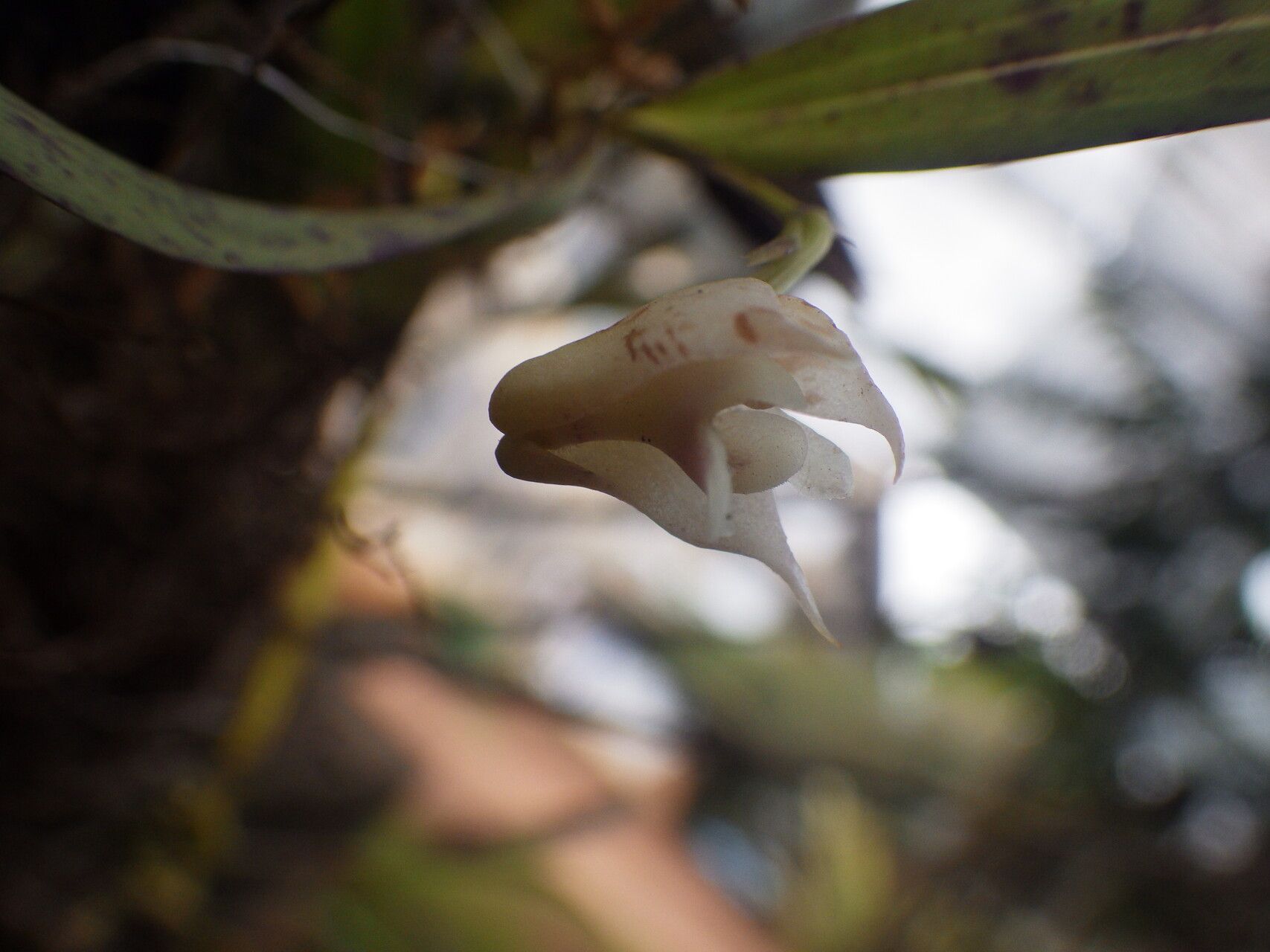
Oh, hello there! Come on in, grab a mug of your favorite brew. We’re going to chat about something I find absolutely delightful: coaxing more beauty into the world by propagating Polystachya albescens. I’ve been tending to these lovely orchids for two decades now, and trust me, the satisfaction of watching a tiny new plant unfurl is just unmatched.
Unlocking the Magic of Polystachya albescens
Polystachya albescens is a real charmer. Its delicate, often fragrant blooms bring such a quiet elegance to any collection. And the best part? Propagating it is a wonderfully accessible project! While some orchids can be a bit fussy, Polystachya albescens is quite forgiving. I’d say it’s a great choice for beginners looking to dip their toes into the world of orchid propagation. It’s incredibly rewarding to share these plants with friends or simply build up your own impressive display.
When to Get Your Hands Dirty
The absolute best time to propagate Polystachya albescens is during its active growing season. For most of us, this means late spring through summer. You want to see your plant really putting on new growth – healthy leaves, maybe even developing new pseudobulbs. Starting when the plant is full of vigor is key to successful rooting.
Your Propagation Toolkit
Gathering the right supplies makes all the difference. Here’s what you’ll want to have on hand:
- Sharp, sterilized pruning shears or a clean knife: We want to make clean cuts to prevent disease. A quick dip in rubbing alcohol or a flame sterilization works wonders.
- Orchid potting mix: A good quality, airy mix is crucial. I often use a blend of bark chips, perlite, and a bit of sphagnum moss.
- Small pots or propagation containers: Clean, small pots or even clear plastic cups with drainage holes are perfect for starting new plants.
- Rooting hormone (optional but helpful): For a little extra boost, a gentle rooting hormone can encourage faster root development.
- Watering can with a fine rose: For gentle watering.
- Patience! This is probably the most important item.
Bringing New Life Forth: Methods for Success
For Polystachya albescens, the most straightforward and successful method is generally division. This species tends to form clumps, which makes it perfect for this technique.
Method: Division
- Assess Your Plant: Gently examine your mature Polystachya albescens. Look for areas where new pseudobulbs are growing away from the main plant, creating distinct sections. You’re looking for sections that have at least two to three healthy pseudobulbs and some leaves.
- Remove from Pot: Carefully ease your orchid out of its pot. If it’s really stuck, you might need to gently run a knife around the edge.
- Clean the Roots: Gently remove as much of the old potting mix as you can from the root ball. This helps you see where to make your cuts and assess the health of the roots.
- Make the Cut: Using your sterilized shears or knife, carefully separate the clump. Aim to cut through the rhizome (the creeping stem that connects the pseudobulbs) between the sections you want to divide. Try to preserve as many healthy roots as possible on each new division.
- Inspect and Trim: Remove any dead or mushy roots and any yellowed or damaged leaves. You want clean, healthy material to work with.
- Potting Up: For each division, place it into its own small pot filled with your prepared orchid mix. Ensure the base of the pseudobulbs is at the surface of the mix. Don’t pack the mix too tightly; orchids love good air circulation.
- Initial Watering: Water your newly potted divisions thoroughly.
The “Secret Sauce”: My Tried-and-True Tricks
Now, here are a few little things I’ve learned over the years that can really give you an edge.
- The Buddy System: When you divide, try to keep at least two pseudobulbs together on each division. This gives the new plant a better energy reserve to draw from as it starts to establish roots. A single pseudobulb can sometimes struggle to get going without the support of its neighbors.
- Humidity is Happiness: New divisions can get stressed if they dry out too quickly. I often mist them lightly every day for the first week or two, especially if I’m propagating during a drier period. This helps them hold onto moisture until their roots can take over.
- Patience with the Potting Mix: Don’t be tempted to pack the potting mix in too tightly. Orchids, especially Polystachya, need lots of air to their roots. A loose mix is far better for preventing rot and encouraging new root growth.
Aftercare and When Things Go Wrong
Once your divisions are potted, give them a good drink. Keep them in a spot with bright, indirect light and good air circulation. Avoid direct sun, which can scorch those tender new leaves.
You’ll know your new plants are happily settling in when you start to see new root growth poking out of the potting mix or new leaf growth emerging from the top of the pseudobulbs. This can take a few weeks to a couple of months, so don’t get discouraged if it’s not immediate!
The most common sign of trouble is rot. If you see pseudobulbs turning soft and mushy, or leaves yellowing and dropping rapidly, your plant might be getting too much water or not enough air. Ensure your potting mix is draining well and that you’re letting the surface dry out slightly between waterings. If rot is advanced, sadly, the division might not be salvageable.
Go Forth and Propagate!
See? Not so daunting, is it? Propagating Polystachya albescens is a wonderfully accessible way to multiply your collection and share the joy of these beautiful orchids. Be patient with your new little plants, give them the gentle care they need, and before you know it, you’ll be rewarded with healthy new growth. Happy gardening!
Resource:
https://identify.plantnet.org/k-world-flora/species/Polystachya%20albescens%20Ridl./data