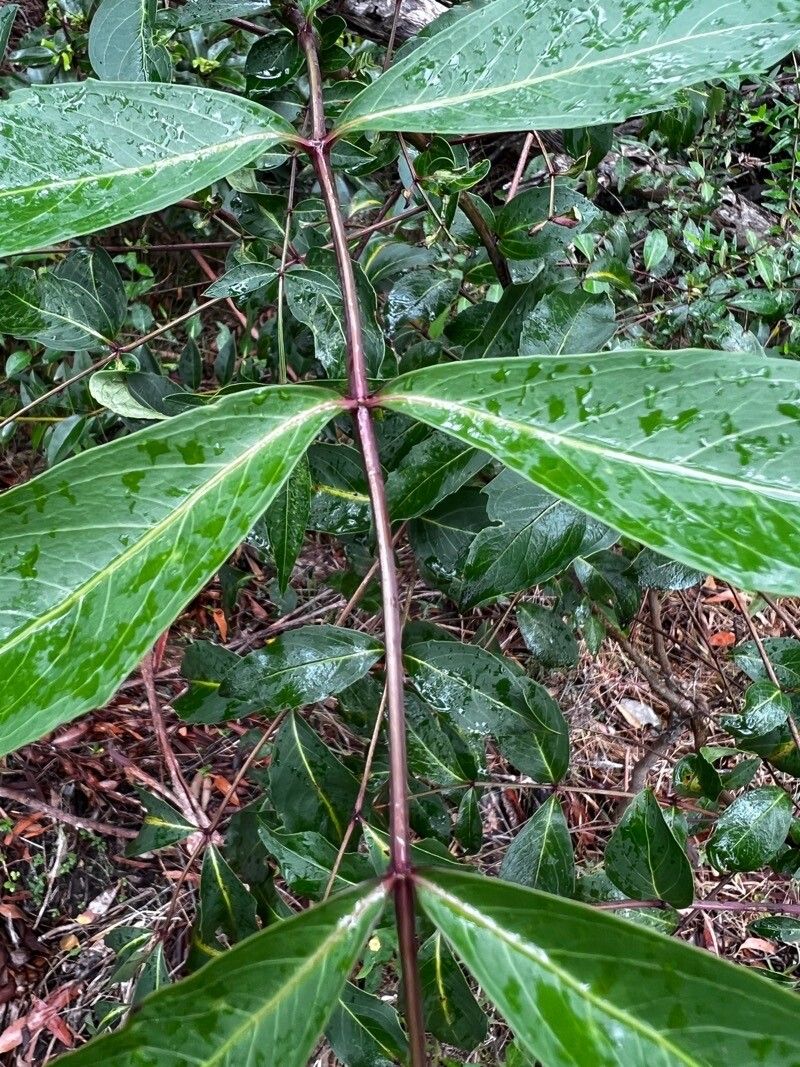
Oh, hello there! Pull up a chair and let’s have ourselves a little garden chat. Today, we’re diving into the wonderful world of Polyscias sambucifolia, also known as the Elderleaf Ivy or Black Bean Tree. It’s a plant that brings such a lovely, understated elegance to any space with its unique, compound leaves. Honestly, those finely cut leaves just whisper sophistication.
Now, if you’re thinking about bringing more of these beauties into your life, you’re in for a treat. Propagating Polyscias sambucifolia is a genuinely rewarding experience, and I’m happy to tell you it’s quite achievable, even for those of you just starting your green-thumb journey. It’s not a plant that’s going to throw too many tantrums when you try to make more of it, which is always a good sign!
The Best Time to Start
The sweet spot for propagating your Polyscias sambucifolia is undoubtedly during its active growing season. For most of us, that means spring and early summer. Think about when your plant is really putting on new growth, unfurling those fresh, vibrant leaves. That’s when it has the most energy and vigor to put into developing those precious new roots. Trying to propagate when the plant is dormant is like asking a sleepy bear to run a marathon – it’s just not going to go as well!
Supplies You’ll Need
Gathering your tools before you begin makes the whole process so much smoother. Here’s what I like to have on hand:
- Sharp Pruning Shears or a Clean Knife: We want nice, clean cuts, not ragged ones.
- A Well-Draining Potting Mix: I prefer a mix of peat moss, perlite, and a bit of coarse sand. You want it to drain freely to prevent soggy roots.
- Rooting Hormone (Optional but Recommended): A powder or gel containing auxins can really give your cuttings a boost.
- Small Pots or Seedling Trays: Clean containers are key to preventing disease.
- Plastic Bags or a Propagator Lid: To create a humid environment for your cuttings.
- Watering Can or Spray Bottle: For gentle watering.
- Labels: To keep track of what you’ve propagated and when!
Propagation Methods
Polyscias sambucifolia is wonderfully amenable to propagation via stem cuttings. It’s my go-to method because it’s reliable and you can get several new plants from a single parent.
Here’s how I do it:
- Select Healthy Stems: Look for vigorous, semi-hardwood stems on your mature plant. These are usually stems that have grown in the current or previous season – they’re not brand new and floppy, but not old and woody either. You want stems with at least two or three sets of leaves.
- Take Your Cuttings: Using your clean shears, make a clean cut just below a leaf node. A leaf node is where a leaf emerges from the stem. This is a prime spot for root development. Aim for cuttings that are about 4 to 6 inches long.
- Prepare the Cuttings: Remove the lower leaves and any flower buds. This focuses the plant’s energy on rooting, not on supporting extra foliage or flowers. Leave just a couple of leaves at the top. If your remaining leaves are quite large, you can even cut them in half horizontally to reduce water loss through transpiration.
- Apply Rooting Hormone (If Using): Dip the cut end of the stem into your rooting hormone powder or gel. Tap off any excess.
- Plant Your Cuttings: Fill your small pots with your prepared, moist potting mix. Make a small hole in the center with your finger or a pencil. Gently insert the cut end of the stem into the hole, ensuring it’s firm enough to stand on its own. Gently firm the soil around the base.
- Create a Humid Environment: Water the soil gently. Then, cover the pot with a clear plastic bag or place it inside a propagator with a lid. This traps moisture and creates the humid microclimate that cuttings crave. Make sure the leaves don’t touch the plastic. If they do, you can support the plastic with a few skewers.
- Place in Bright, Indirect Light: Find a warm spot that receives bright, indirect light. Avoid direct sunlight, which can scorch the delicate cuttings.
The “Secret Sauce” (Pro Tips)
Now, for a few little tricks I’ve picked up over the years that can really make a difference.
- Bottom Heat is Your Friend: I almost always place my cuttings on a heating mat. This gentle warmth from below encourages root development something fierce. It’s like giving them a warm little footbath that says, “Go on, grow!”
- Don’t Drown Them! Even with great drainage, it’s easy to overwater at this stage. I check the soil moisture by gently poking my finger in. If it feels dry about an inch down, that’s when I water. You want the soil consistently moist, but never soggy.
- Patience is a Virtue (and a Method): Sometimes, rooting hormone and bottom heat aren’t enough on their own. If you’re finding a few cuttings are being a bit stubborn, try leaving them in for longer. Some varieties just take their sweet time to show signs of life.
Aftercare & Troubleshooting
Once you start to see signs of new growth – tiny leaves appearing or a gentle tug on the cutting indicating resistance – you’re on the right track! You can even gently try to pull on a cutting. If there’s resistance, it’s likely forming roots.
- Acclimatize Gradually: Once roots have begun to form, you can start to gradually introduce your cuttings to lower humidity. For the first week, remove the plastic bag for just an hour or two each day. Then, increase the time until they are comfortable being uncovered.
- Continue Gentle Watering: Keep the soil consistently moist as the new plant establishes.
- Potting Up: When the new plant has developed a good root system and is putting on noticeable top growth, it’s time to pot it up into a slightly larger container with fresh potting mix.
The most common issue you’ll encounter is rot. This is usually a sign of overwatering or poor drainage. If you see a cutting turning brown and mushy, it’s best to discard it and reassess your watering and soil. Sometimes, a lack of humidity can cause the leaves to crisp up and fall off. If that happens, check your humidity cover and consider moving it to a more humid location.
A Encouraging Closing
So there you have it! Propagating your Polyscias sambucifolia is a truly satisfying way to expand your collection and share the joy of gardening. Don’t be discouraged if your first few attempts aren’t perfect. Gardening is a journey, and every plant you nurture teaches you something new. Be patient, enjoy the process, and soon you’ll have a whole new generation of these lovely plants gracing your home. Happy propagating!
Resource: