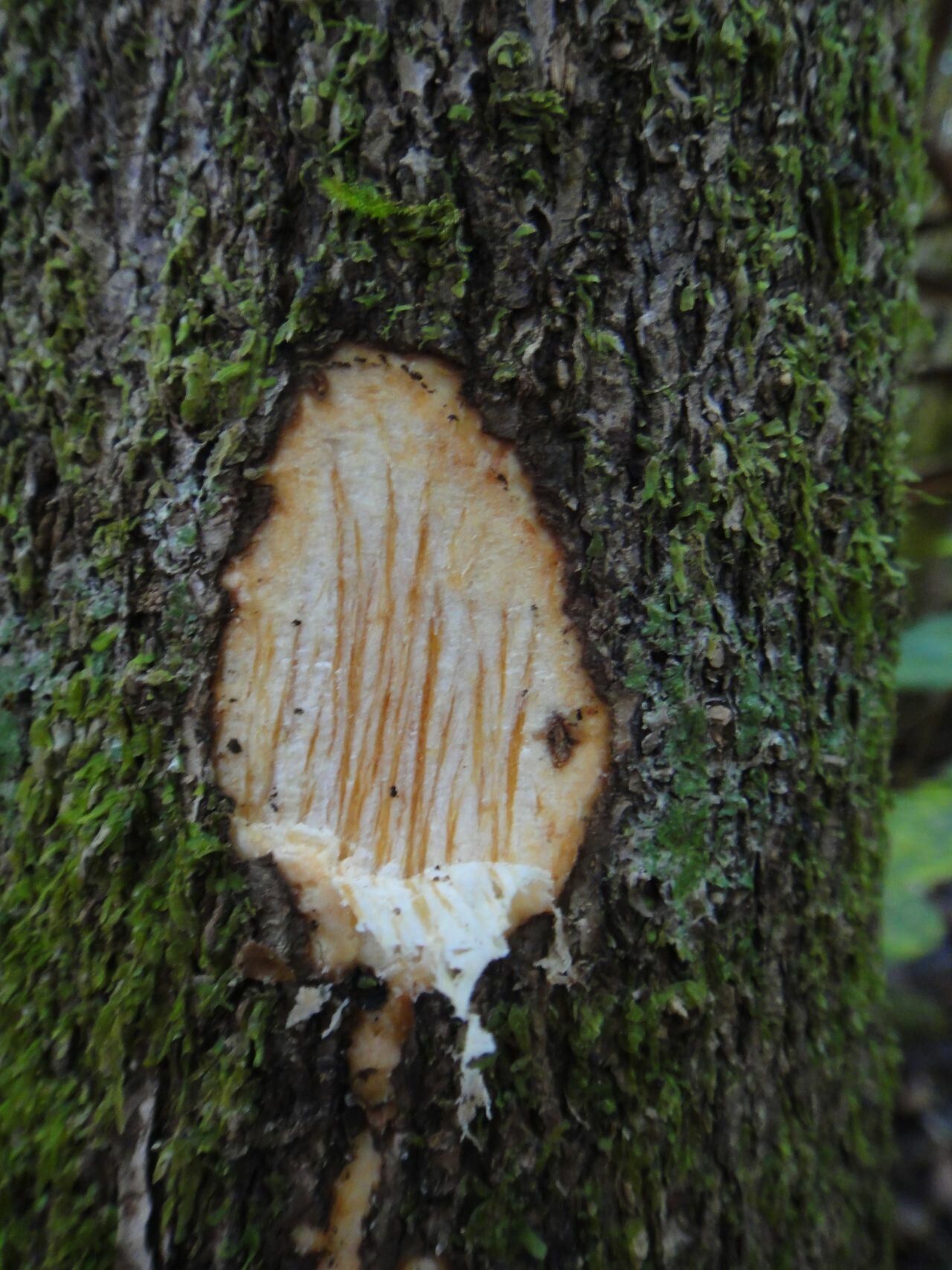
Oh, hello there! It’s so wonderful to chat with you about the magical world of plant propagation. Today, we’re diving into the delightful task of multiplying our beloved Polyscias bracteata. If you’ve ever admired those elegant, deep-green, intricately-lobed leaves on a Polyscias, you’ll know it’s a plant that brings a touch of sophisticated charm to any indoor jungle. And the joy of coaxing a brand new baby plant from an existing one? Simply unparalleled! Now, a little heads-up: Polyscias bracteata can be a tad particular, so while not impossible for beginners, it’s one where a little extra attention and patience will really pay off. But don’t let that deter you – we’ll get through it together!
The Best Time to Start
My absolute favorite time to tackle propagation for Polyscias bracteata is during its active growing season. Think late spring through summer. The plant is full of energy then, which means it’s more likely to put out new roots and shoots with gusto. Trying to propagate during its dormancy period in winter is generally a recipe for disappointment. You want that upward momentum of growth, not a plant just trying to conserve energy.
Supplies You’ll Need
Gathering your tools beforehand makes the whole process so much smoother! Here’s what I find most helpful:
- Sharp, clean pruning shears or a sharp knife: Clean cuts are crucial to prevent disease.
- Rooting hormone powder or gel: This is a game-changer for encouraging root development. Look for one specifically for woody stems.
- Well-draining potting mix: A good blend of potting soil, perlite, and a bit of coco coir works wonders. You want good aeration.
- Small pots or propagation trays: Clean and free of any old soil.
- Plastic bag or misting bottle: To maintain humidity around your cuttings.
- Optional: Heat mat: For an extra boost of warmth, especially if your home is on the cooler side.
Propagation Methods
For Polyscias bracteata, I’ve had the most consistent success with stem cuttings. It’s a reliable method if you get the conditions just right.
- Select Your Stem: Look for healthy, semi-hardwood stems on your mature plant. These are stems that are no longer bright green and soft, but not yet woody and stiff. They should be firm but still have a bit of flexibility. Aim for stems that are at least 6 inches long.
- Make the Cut: Using your sterile pruning shears or knife, make a clean cut just below a leaf node (the point where a leaf attaches to the stem). This is where the magic of root formation often begins.
- Prepare the Cutting: Gently remove the lower leaves from the cutting, leaving just a few healthy leaves at the top. If the top leaves are very large, I often trim them in half to reduce water loss through transpiration.
- Apply Rooting Hormone: Dip the cut end of the stem into your rooting hormone powder or gel, ensuring it’s coated well. Tap off any excess.
- Potting Up: Fill your small pots with your well-draining potting mix. Make a hole in the center of the soil with your finger or a pencil.
- Insert the Cutting: Gently insert the hormone-coated end of the cutting into the hole. Firm the soil gently around the base of the cutting to ensure good contact.
- Water Lightly: Water the soil thoroughly but gently. You want it moist but not waterlogged.
The “Secret Sauce” (Pro Tips)
Now for a couple of tricks I’ve learned over the years that can really tip the scales in your favor!
- Humidity is King: Polyscias cuttings are thirsty things that can dry out fast. After potting, I immediately cover the pot with a clear plastic bag (making sure it doesn’t touch the leaves if possible) or place the pots in a mini greenhouse. This creates a humid microclimate that drastically increases your chances of success. A light misting with water inside the bag daily can also help.
- Bottom Heat is Your Friend: While not strictly essential, providing a little warmth from below can be a HUGE help. Placing your pots on a seedling heat mat will encourage root development much faster. It mimics the warmth of the soil in summer and gives your cuttings that extra push. Just set it to a comfortable warmth, not scorching hot.
Aftercare & Troubleshooting
Once your cuttings are nestled in their new pots, keep them in a bright, indirect light location. Avoid direct sun, which can scorch tender new growth. The key now is consistent moisture, but never soggy feet. Check the soil daily; it should feel slightly damp to the touch.
You’ll know your cutting is happy and forming roots when you start to see new leaf growth appearing! This can take anywhere from 4 weeks to a couple of months. Gently tugging on the cutting – if there’s resistance, roots are forming.
The most common problem you’ll encounter is rot. This usually happens from overwatering or poor drainage. If you notice the cutting turning black and mushy, unfortunately, it’s likely a goner. In this case, remove it immediately to prevent any spread to other cuttings. Make sure your soil is always well-draining and don’t let them sit in water.
A Heartening Wrap-Up
Taking cuttings can feel like a leap of faith sometimes, can’t it? But there’s something so incredibly rewarding about nurturing a tiny piece of a plant into a whole new life. Be patient with your Polyscias bracteata cuttings. Some will take their sweet time, and a few might not make it – that’s just part of the gardening dance! Enjoy the process, celebrate each tiny sign of success, and soon you’ll have more of these beauties to share. Happy propagating!
Resource:
https://identify.plantnet.org/k-world-flora/species/Polyscias%20bracteata%20(R.Vig.)%20Lowry/data