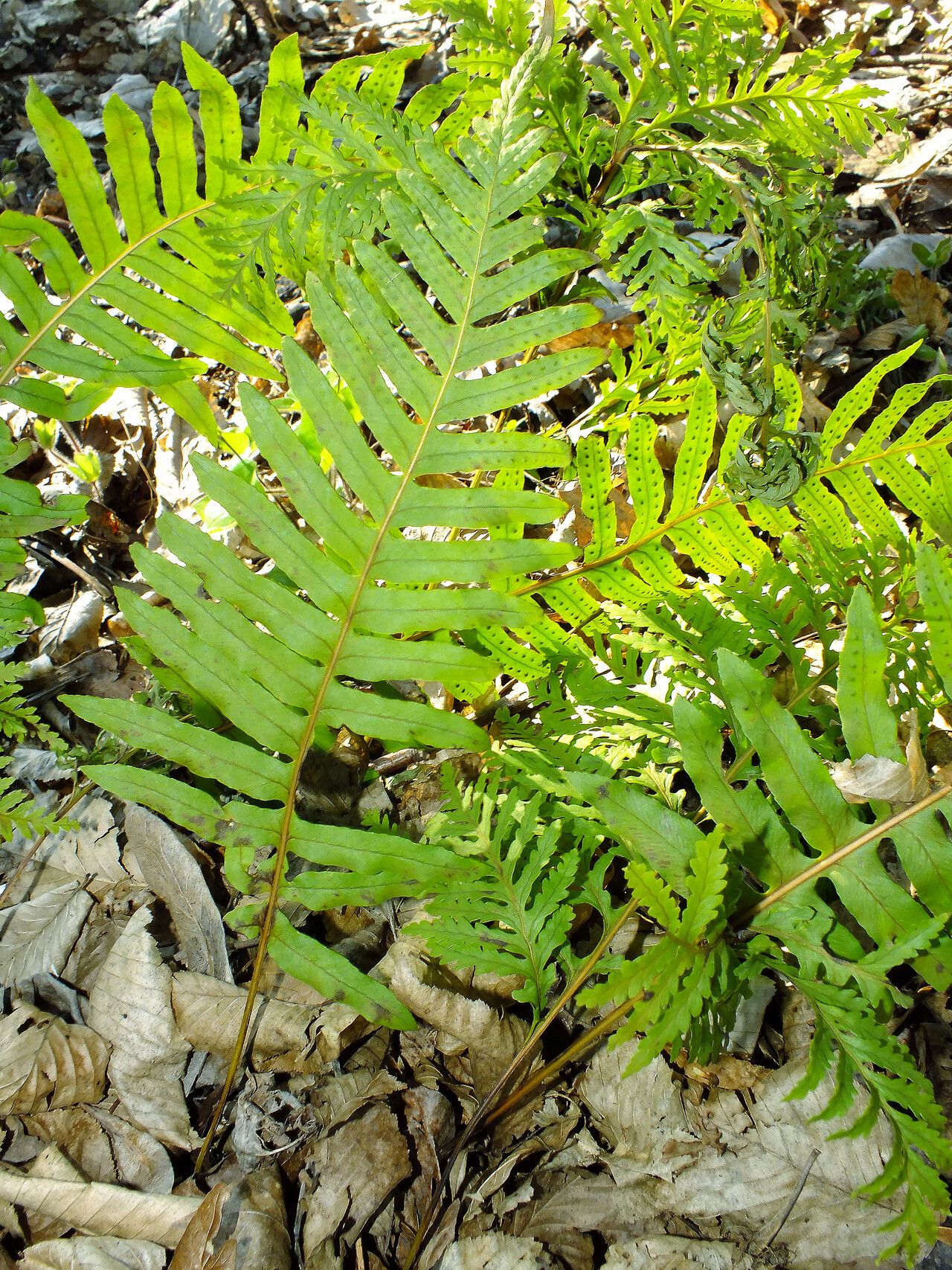
Oh, hello there! Come on in, pull up a chair. I’ve got a fresh cup of tea brewed, and I’m just bursting to talk about a fern that’s quite special to me: Polypodium cambricum, or the Southern English Fern. It’s got these beautifully textured, rich green fronds that are just so elegant, adding a touch of old-world charm to any shady corner. And the best part? It’s wonderfully rewarding to share its beauty by propagating it yourself. You might be wondering if it’s a tricky business, but honestly, it’s quite approachable, even for those of you just starting your garden journey.
The Best Time to Start
When it comes to Polypodium cambricum, timing is key for a happy start. Generally, the spring and early summer, as the plant is actively putting on new growth, is your golden window. This is when it has the most energy to dedicate to making those new roots and shoots. You can also have success with division in the autumn, just as the weather starts to cool but before the hardcore frosts set in.
Supplies You’ll Need
Don’t worry, you won’t need a whole greenhouse full of fancy gadgets. Most of what you need is pretty standard garden fare:
- Sharp pruning shears or a clean knife: For making precise cuts.
- Good quality, gritty potting mix: Something that drains well is essential. I like a mix of peat-free compost, perlite, and a little grit.
- Small pots or trays with drainage holes: For your new divisions or cuttings.
- Watering can with a fine rose: To avoid disturbing delicate new plants.
- Optional: Rooting hormone (powder or gel): Can give cuttings a helpful boost.
- Optional: Small plastic bags or a propagator: To create a humid environment for cuttings if needed.
Propagation Methods
Polypodium cambricum is best propagated through division or spore propagation. Stem cuttings aren’t really the way this fern likes to work.
Division: The Easiest Route
This is by far the simplest and most reliable method for Polypodium cambricum.
- Gently excavate the parent plant. Carefully dig it up from its pot or bed, trying not to disturb the root ball too much.
- Clean off excess soil. You want to get a good look at the rhizomes – those are the thick, creeping stems that run just under the surface.
- Identify natural breaks. Look for sections of the rhizome that have healthy-looking fronds and at least a few small roots attached. You can often pull these apart gently with your hands. If it’s a bit stubborn, a clean knife can help you make the cut.
- Pot up the divisions. Plant each division in its own pot, using that well-draining potting mix. Make sure the top of the rhizome is just at soil level, or slightly below.
- Water them in. Give them a good, gentle watering to settle the soil.
Spore Propagation: For the Patient Gardener
This is a more advanced technique, and it requires a good deal of patience, but it is incredibly rewarding.
- Collect spores. look on the undersides of mature fronds for sporangia, which are usually in rows and often covered by the rolled-in edge of the frond. You’ll see them as little brown dots. Once they look ripe and dusty, carefully snip off the frond and place it, spore-side down, on a piece of clean paper inside a bag for a few days. The spores will fall out.
- Prepare a sterile surface. Use a clean pot or tray filled with a sterile, fine-textured seed-starting mix, or even just sterilized sphagnum moss.
- Sow the spores. Lightly mist the surface of your growing medium. Then, gently tap the paper containing the spores over the surface so they fall like fine dust. Don’t try to cover the surface evenly; a haphazard scattering is fine.
- Create a humid environment. Cover the pot or tray with a clear lid or plastic wrap to maintain high humidity. Place it in a bright spot, but out of direct sunlight.
- Be patient. This is where the waiting game begins. You’ll first see tiny green film-like growths called prothalli. This can take weeks, even months. From these, the tiny ferns will eventually emerge.
The “Secret Sauce” (Pro Tips)
Here are a couple of things I’ve learned over the years that make a real difference:
- Don’t rush the rhizome. When dividing, make sure each piece has some healthy root structure. If you get a piece with only a frond and no roots, it’s unlikely to make it. The rhizome itself holds stored energy.
- Keep divisions humid, not soggy. While humidity is vital, especially for spores, overly wet conditions will invite rot. If you’re using a propagator or plastic bag for cuttings (though again, this is less common for this fern), give it a daily airing to prevent stale air and fungal issues.
Aftercare & Troubleshooting
Once your divisions are potted, keep them in a dappled shade spot and ensure the soil stays consistently moist but not waterlogged. New frond growth is a good sign they’re settling in.
If you’re working with spores, the biggest challenges are often algae or fungal growth, which thrive in damp, still conditions. If you see it, try increasing ventilation a little by briefly lifting the lid or carefully removing the plastic wrap. Slow or no growth isn’t always a problem; Polypodium cambricum can be a slow starter, especially from spores.
Now, if you see mushy, brown stems or rhizomes, that’s usually a sign of too much moisture and not enough air circulation – good old rot. Nip any rotting parts away immediately with clean shears and try to improve drainage and airflow around the plant.
A Little Encouragement
Propagating plants is a wonderful way to connect with nature and build your own little green family. Be patient with your Polypodium cambricum; like all good things, it takes a little time. Enjoy the process, learn from any hiccups, and celebrate every new frond that unfurls. Happy gardening!
Resource:
https://identify.plantnet.org/k-world-flora/species/Polypodium%20cambricum%20L./data