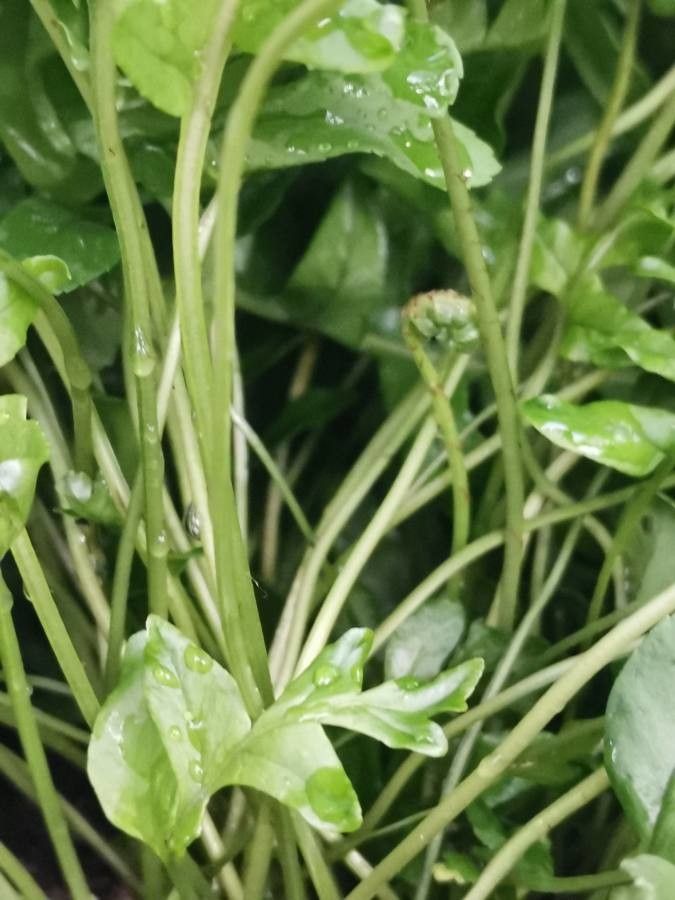
Hello fellow plant lovers! I’m so glad you’ve stumbled upon this page. Today, we’re diving into the wonderful world of Polypodium californicum, also known as the California Polypody. This fern is a real gem for any garden, with its elegant, leathery fronds that bring a touch of the wild Pacific Northwest right to your doorstep. It’s the kind of plant that whispers secrets of ancient forests, and honestly, seeing new life sprout from what you’ve nurtured is one of life’s simple, profound joys.
Now, you might be wondering if this is a project for the seasoned pro or if a beginner can jump right in. I’m happy to report that Polypodium californicum is wonderfully beginner-friendly when it comes to propagation! With a little patience and the right approach, you’ll be well on your way to a whole colony of these beauties.
The Best Time to Start
For the highest chance of success, spring is your golden ticket. This is when the plant is actively growing and has the most energy to put into developing new roots. You can also propagate successfully in early summer, just as the new fronds are unfurling and before the heat of summer really sets in. Look for healthy, vigorous parent plants – they’ll have the most to give.
Supplies You’ll Need
Gathering your supplies beforehand makes the whole process smoother. Here’s what I usually have on hand:
- Sharp pruning shears or a clean knife: For making clean cuts.
- Well-draining potting mix: I like a blend of peat moss, perlite, and a bit of compost. For ferns, avoiding soggy feet is crucial.
- Small pots or trays: Clean ones, of course! Anything that will hold your cuttings and keep them from drying out.
- Rooting hormone (optional but can be helpful): Especially if you’re a bit nervous about root development.
- Clear plastic bag or a propagation dome: To create a humid environment.
- Watering can with a fine rose: For gentle watering.
- Labels: To keep track of what you’ve potted and when!
Propagation Methods
Polypodium californicum is quite adaptable, but the most straightforward and rewarding method for most of us is division. It’s like getting multiple plants from just one!
Division: Splitting the Parent Plant
This is my go-to method for this fern. It’s best done when the plant is actively growing, ideally in spring.
- Gently remove the parent plant from its pot. If it’s in the ground, carefully work around the root ball with a trowel.
- Inspect the root ball. You’re looking for sections of the rhizome (the thick, creeping stem that grows underground or along the surface) that have healthy roots and shoots attached.
- Using your hands or a clean knife/trowel, carefully separate these sections. Try to make sure each division has at least one or two healthy shoots and a good clump of roots. Don’t be afraid to gently tease apart the roots – they’re tougher than they look!
- Pot each division into its own small pot filled with your well-draining potting mix. The top of the rhizome should be just at or slightly below the soil surface.
- Water gently until the soil is evenly moist, but not waterlogged.
- Place the pots in a shady, protected spot.
- Cover the pots loosely with a clear plastic bag or a propagation dome to maintain humidity. You can prop the bag up with sticks if needed.
The “Secret Sauce” (Pro Tips)
Here are a couple of things I’ve learned over the years that really help boost success:
- Don’t suffocate new divisions. While humidity is key, you don’t want stagnant air. Lift the plastic bag or open the dome for a few minutes each day to allow for some air circulation. This helps prevent fungal issues.
- Patience with rhizomes is paramount. Polypodium californicum grows from rhizomes, which can sometimes take a little while to show visible new growth. Don’t be tempted to dig them up too soon to check for roots! Trust the process. If the leaves remain a healthy green, they’re likely establishing.
Aftercare & Troubleshooting
Once your divisions are potted, keep them consistently moist but never soggy. That humid environment is your friend for the first few weeks. As you start to see new frond growth, you know they’re settling in nicely. Gradually reduce the humidity by opening the bag or dome more each day over a week or two before removing it entirely.
The main issue you might encounter is rot, usually caused by overwatering or poor drainage. If you see leaves browning and mushy or the soil feels constantly waterlogged, it’s a sign. You can try to salvage a healthy section of the rhizome if you catch it early, but often, it’s best to start again with drier conditions.
A Encouraging Closing
Propagating plants is a journey, and Polypodium californicum is a most rewarding companion on that path. Be patient with your newophytes, give them light and moisture without excess, and you’ll soon have more of these magnificent ferns to enjoy. Happy gardening!
Resource:
https://identify.plantnet.org/k-world-flora/species/Polypodium%20californicum%20Kaulf./data