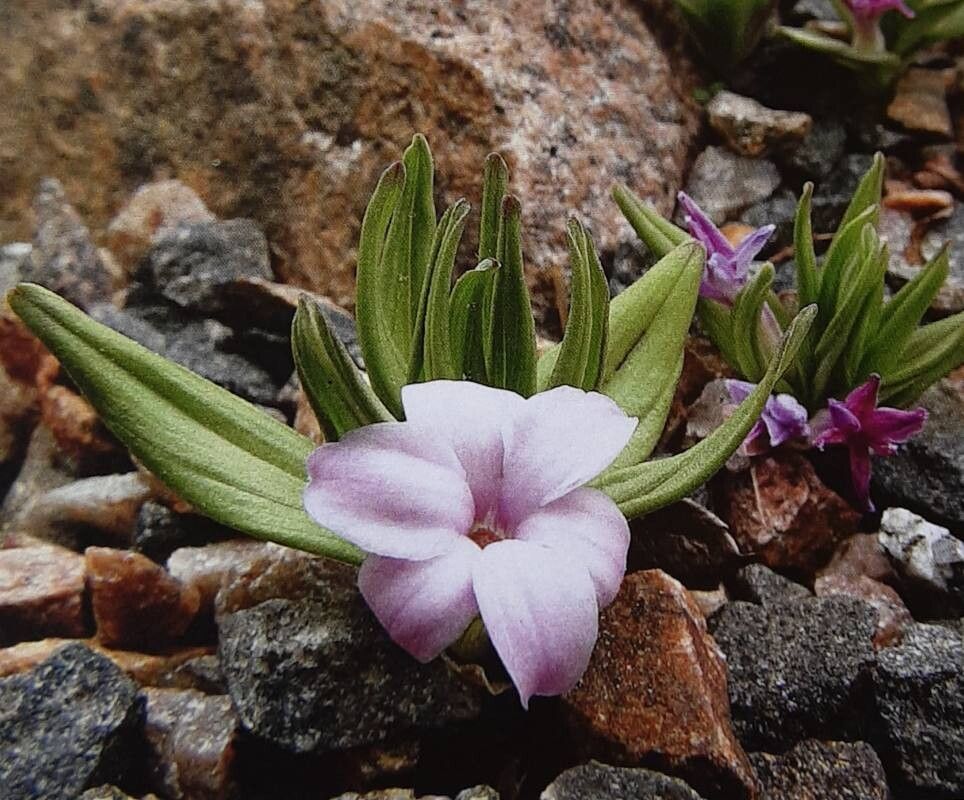
Hello fellow garden enthusiasts! If you’ve ever admired the delicate beauty of Polygonatum hookeri, you’re not alone. This little gem, often called Dwarf Solomon’s Seal, brings such a sweet, understated charm to shady corners with its elegant arching stems and pristine white, bell-shaped flowers. And let me tell you, propagating it is a incredibly rewarding journey. While it’s not the absolute easiest plant for a complete beginner, with a little patience and these tips, you’ll be well on your way to more Polygonatum hookeri for your garden, or even to share!
The Best Time to Start
For Polygonatum hookeri, the sweet spot for propagation is definitely in the spring, just as new growth is emerging. You can also have good success with division in the fall after the foliage has started to die back. I find spring gives the most vigorous start for cuttings, giving them the whole growing season to establish.
Supplies You’ll Need
Here’s what you’ll want to have on hand:
- Sharp pruning shears or a clean knife: For making clean cuts.
- Rooting hormone (optional but helpful): A powder or gel can really give your cuttings a boost.
- Well-draining potting mix: I like a blend of peat moss or coco coir, perlite, and a little compost.
- Small pots or trays: With drainage holes, of course!
- Clear plastic bags or a propagator: To create a humid environment.
- Patience! This is a plant that likes to take its time.
Propagation Methods
Let’s get our hands dirty! For Polygonatum hookeri, division is hands-down the most reliable and frequently used method. Cuttings can be a bit trickier due to the plant’s slower growth habit.
Division: The Tried and True Method
- Digging Up: In early spring, before the new shoots get too tall, or in the fall after flowering, carefully dig up your Polygonatum hookeri plant. Try to disturb the roots as little as possible.
- Separating the Rhizomes: Gently shake off excess soil. You’ll see that the plant grows from thick, fleshy underground stems called rhizomes. Look for natural divisions in the rhizome system. Sometimes, you can simply pull apart sections. If they’re more stubborn, use your clean knife or pruning shears to carefully cut through the rhizome. Make sure each division has at least one bud (the little nubs where new shoots will emerge) and some healthy roots.
- Potting Up: Plant each division in its own pot filled with your well-draining potting mix. Bury the rhizome just slightly, ensuring the buds are pointing upwards towards the surface.
- Watering: Water thoroughly after planting.
The “Secret Sauce” (Pro Tips)
Over the years, I’ve learned a few things that make a difference:
- Don’t overwater divisions: While they need moisture to establish, soggy soil is the quickest way to rot those precious rhizomes. Let the top inch of soil dry out between waterings.
- Think like the plant: Polygonatum hookeri loves shade and humidity. Mimic those conditions for your divisions, especially while they’re getting established. A sheltered spot out of direct sun is ideal.
- Be patient with new growth: It can take a few weeks, sometimes even longer, for new shoots to appear from a divided rhizome. Don’t dig them up to check! Trust that they’re working their magic beneath the surface.
Aftercare & Troubleshooting
Once your divisions are potted, keep them consistently (but not soaking wet) moist and in a shady spot. If you’re trying cuttings (which I mention are tougher for this plant), once you see tiny roots forming (you might need to gently peek or see them peeking out of the drainage holes), you can carefully transplant them into their own small pots.
The most common issue you might encounter is rot. If your rhizome or cutting becomes mushy and discolored, it’s likely succumbed to rot. This is usually due to too much moisture and poor drainage. It’s heartbreaking, but it happens! If you see this, unfortunately, it’s best to discard it and start again with healthier material and better watering practices.
A Encouraging Closing
Growing more of your favorite plants is one of the most satisfying parts of gardening. Polygonatum hookeri is a delight, and propagating it, especially through division, is a skill well worth developing. Remember to be patient, observe your plants, and enjoy the process of nurturing new life. Happy gardening!
Resource:
https://identify.plantnet.org/k-world-flora/species/Polygonatum%20hookeri%20Baker/data