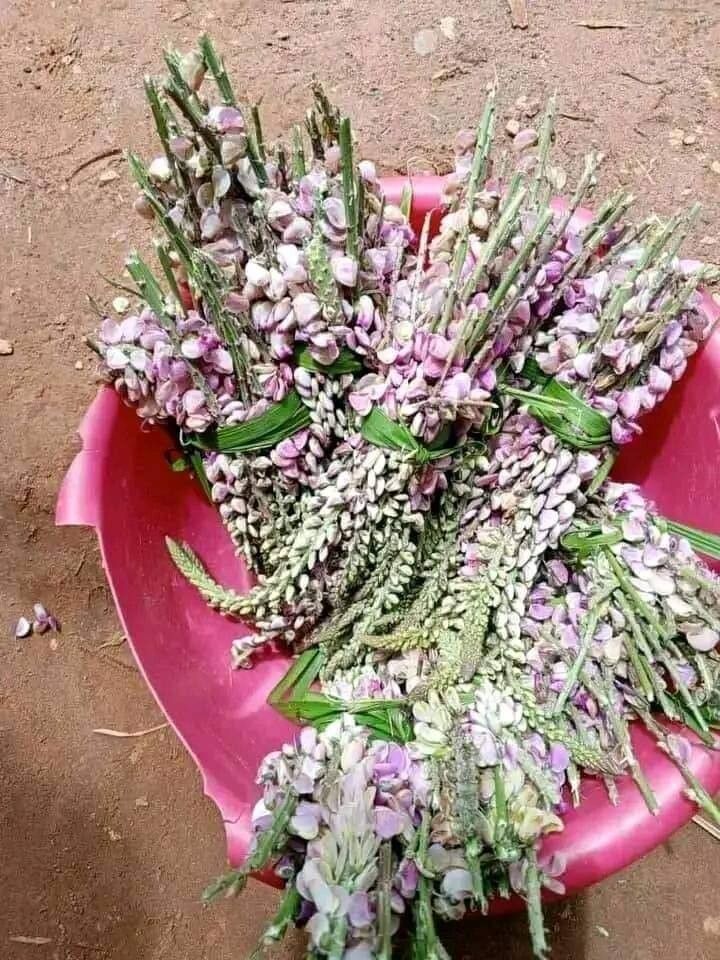
Oh, the joy of creating more of a beloved plant! If you’ve fallen for Polygala macrostigma, you’re in for a treat. Those cheerful, often pea-like blooms tumbling over in a delicate dance are simply captivating. And the best part? You can easily multiply its beauty! Propagating Polygala is a really satisfying endeavor, and I’m happy to share how I do it. Don’t let the Latin name intimidate you; Polygala macrostigma is generally quite amenable to propagation, making it a rewarding project for most gardeners, even those just finding their green thumb.
The Best Time to Start
For the highest success rate with Polygala macrostigma, I always reach for my pruners in late spring or early summer. This is when the plant is actively growing, and the new, semi-hardwood stems have just the right balance of flexibility and structure to root well. Avoid taking cuttings from very soft, brand-new growth or old, woody stems.
Supplies You’ll Need
Gathering your tools beforehand makes the whole process so much smoother. Here’s what I keep on hand:
- Sharp, clean pruning shears or a sharp knife: Essential for making clean cuts.
- Rooting hormone: While not always strictly necessary for Polygala, it can give your cuttings a good boost. I prefer a powder form.
- Well-draining potting mix: I typically use a 50/50 blend of perlite and peat moss or coco coir. You can also buy specialized seedling or cutting mixes.
- Small pots or trays: Clean ones are key to preventing disease.
- Plastic bags or a propagation dome/lid: To maintain humidity around your cuttings.
- Watering can with a fine rose: For gentle watering.
- Optional: Small heating mat: Bottom heat can really speed up root development.
Propagation Methods
Stem cuttings are my go-to for multiplying Polygala macrostigma. Here’s how I tackle it:
- Select Your Cuttings: Look for healthy, non-flowering stems that are about 3-6 inches long. Gently bend a stem; if it snaps cleanly, it’s usually a good candidate. If it bends without breaking, it might be a bit too soft.
- Make the Cut: Using your sharp shears or knife, make a clean cut just below a leaf node (where a leaf attaches to the stem). This is where the magic happens – roots tend to form most readily from these nodes.
- Prepare the Cuttings: Carefully remove the lower leaves from the stem, leaving just 2-3 sets of leaves at the top. This prevents them from rotting when buried in the soil and reduces water loss.
- Apply Rooting Hormone (Optional but Recommended): Dip the cut end of the stem into your rooting hormone, tapping off any excess.
- Plant Your Cuttings: Fill your small pots or trays with your prepared potting mix. Make a small hole with a pencil or your finger, and gently insert the cutting deep enough so that the lower leaf nodes are covered by the soil.
- Water Gently: Water the soil thoroughly but gently to settle it around the cuttings.
The “Secret Sauce” (Pro Tips)
Here are a few tricks I’ve learned over the years that make a big difference:
- Humidity is Key: Polygala cuttings need high humidity to thrive before they develop roots. I achieve this by gently covering the pots with a clear plastic bag, making sure the leaves don’t touch the plastic. You can also use a propagation lid or even a clear plastic bottle cut in half. Pop a few holes in the bag or lid for some air circulation.
- A Little Warmth Goes a Long Way: As I mentioned, bottom heat from a heating mat can significantly speed up rooting. A consistent temperature of around 70-75°F (21-24°C) is ideal.
- Don’t Rush it: Patience is a virtue in the garden, and it’s especially true for propagation! I resist the urge to tug on the cuttings. Instead, I look for signs of new leaf growth. That’s your signal that roots are forming.
Aftercare & Troubleshooting
Once your cuttings have rooted – usually in 4-6 weeks, but sometimes longer – it’s time for a little adjusted care.
Gently transplant them into slightly larger pots with a good quality potting mix. Continue to keep them in a bright spot, but out of direct, scorching sun. Water them regularly, allowing the top inch of soil to dry out between waterings. They’re still delicate, so be mindful.
Now, what if things go wrong? The most common culprit is rot. If your cuttings turn black and mushy, this usually indicates too much moisture and not enough air circulation. It’s a sign to adjust your watering habits and ensure your soil mix is free-draining. If a cutting simply fails to root and stays seemingly dormant but doesn’t rot, it might just not have taken. Don’t get discouraged! Gardening is a numbers game, and sometimes, some cuttings just don’t make it.
A Encouraging Closing
Propagating Polygala macrostigma is a wonderful way to share its beauty or simply fill your garden with more of these darling plants. Remember to be patient, observe your cuttings closely, and most importantly, enjoy the process of bringing new life into your garden. Happy propagating!
Resource:
https://identify.plantnet.org/k-world-flora/species/Polygala%20macrostigma%20Chodat/data